Healthcare organizations are under constant pressure to improve patient outcomes while maintaining safety, efficiency, and regulatory compliance. From hospitals and rehabilitation centers to home care providers, ensuring patient safety in real time has become a top priority. Traditional monitoring methods rely heavily on periodic checks and manual observation, which can leave critical gaps in high-risk situations.
Bluetooth Low Energy, or BLE, is redefining how healthcare providers monitor patients through wearable devices. When combined with intelligent analytics and IoT infrastructure, BLE enables continuous monitoring, early risk detection, and proactive intervention. BLE consulting helps healthcare organizations design and scale these solutions with reliability and clinical accuracy.
Why Patient Safety Needs Real-Time Intelligence
Patient safety risks often emerge suddenly. Changes in vital signs, unexpected movement, or delayed response times can escalate into serious incidents if not detected early.
Healthcare facilities face challenges such as:
- Limited staff availability for continuous monitoring
- Delayed identification of patient deterioration
- Manual data collection errors
- Difficulty tracking patient movement and behavior
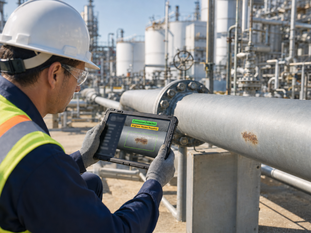
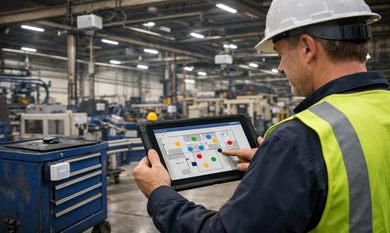
This is where Workplace safety IoT principles extend into healthcare, treating patient environments as safety-critical spaces that require constant awareness.
Understanding BLE in Wearable Patient Monitoring
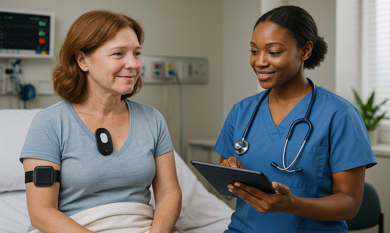
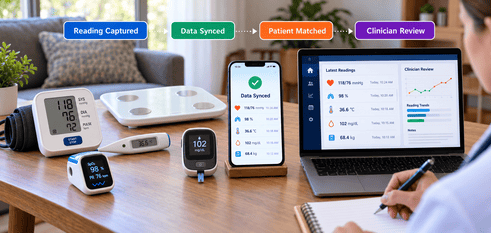
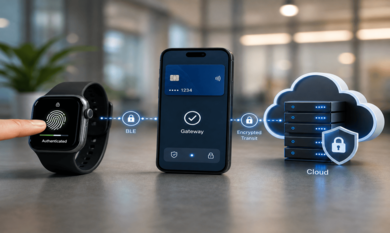
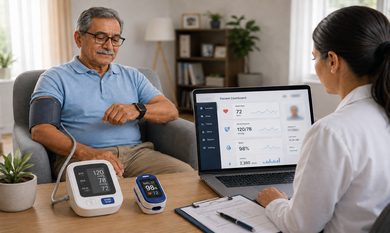
BLE is designed for low-power, continuous data transmission, making it ideal for wearable healthcare devices. Wearables equipped with BLE can track heart rate, oxygen levels, temperature, mobility, and sleep patterns without disrupting patient comfort.
These devices communicate seamlessly with smartphones, tablets, gateways, or hospital systems. BLE consulting ensures that device selection, network design, and integration align with clinical workflows and data accuracy requirements.
AIoT Safety Monitoring in Healthcare Environments
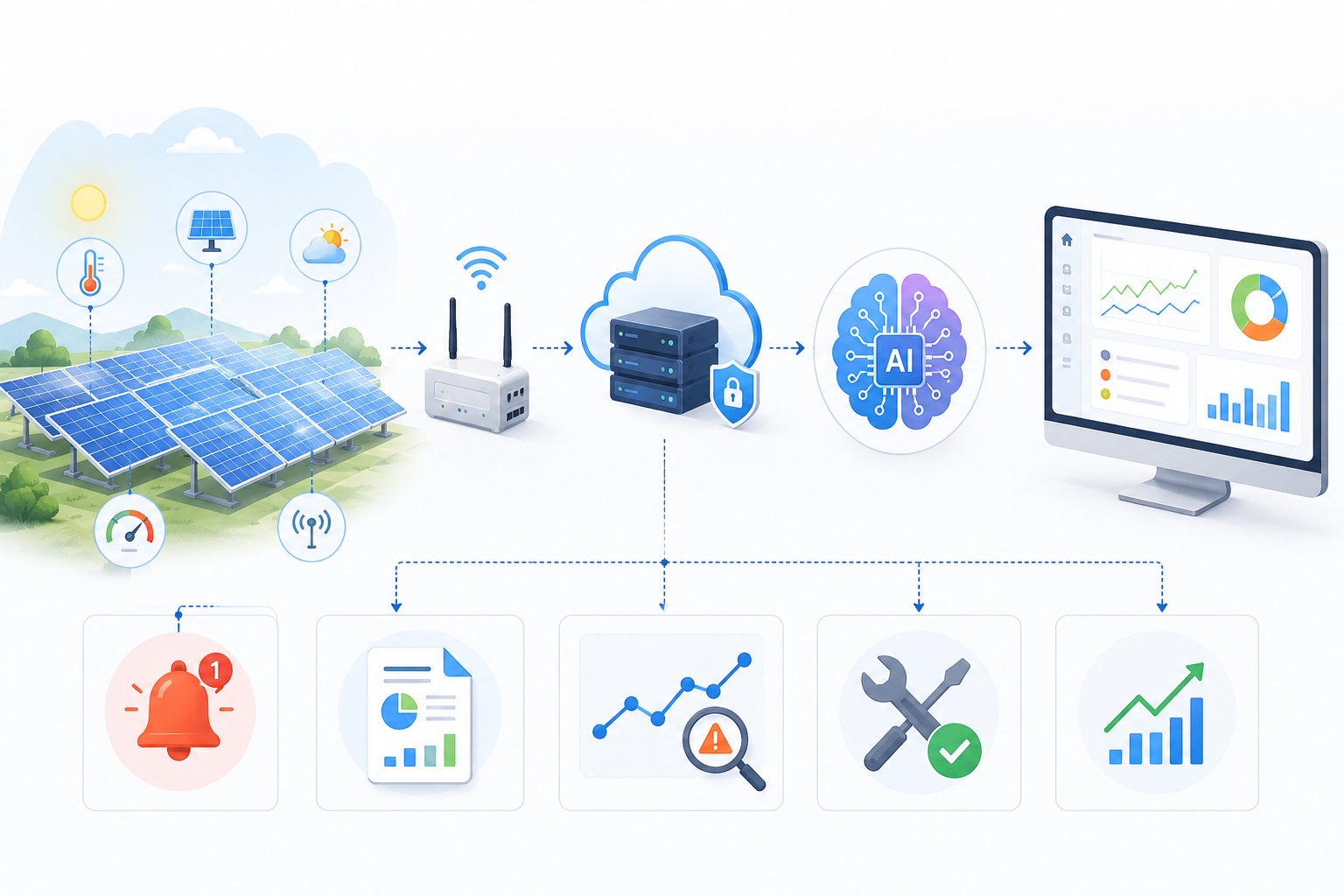
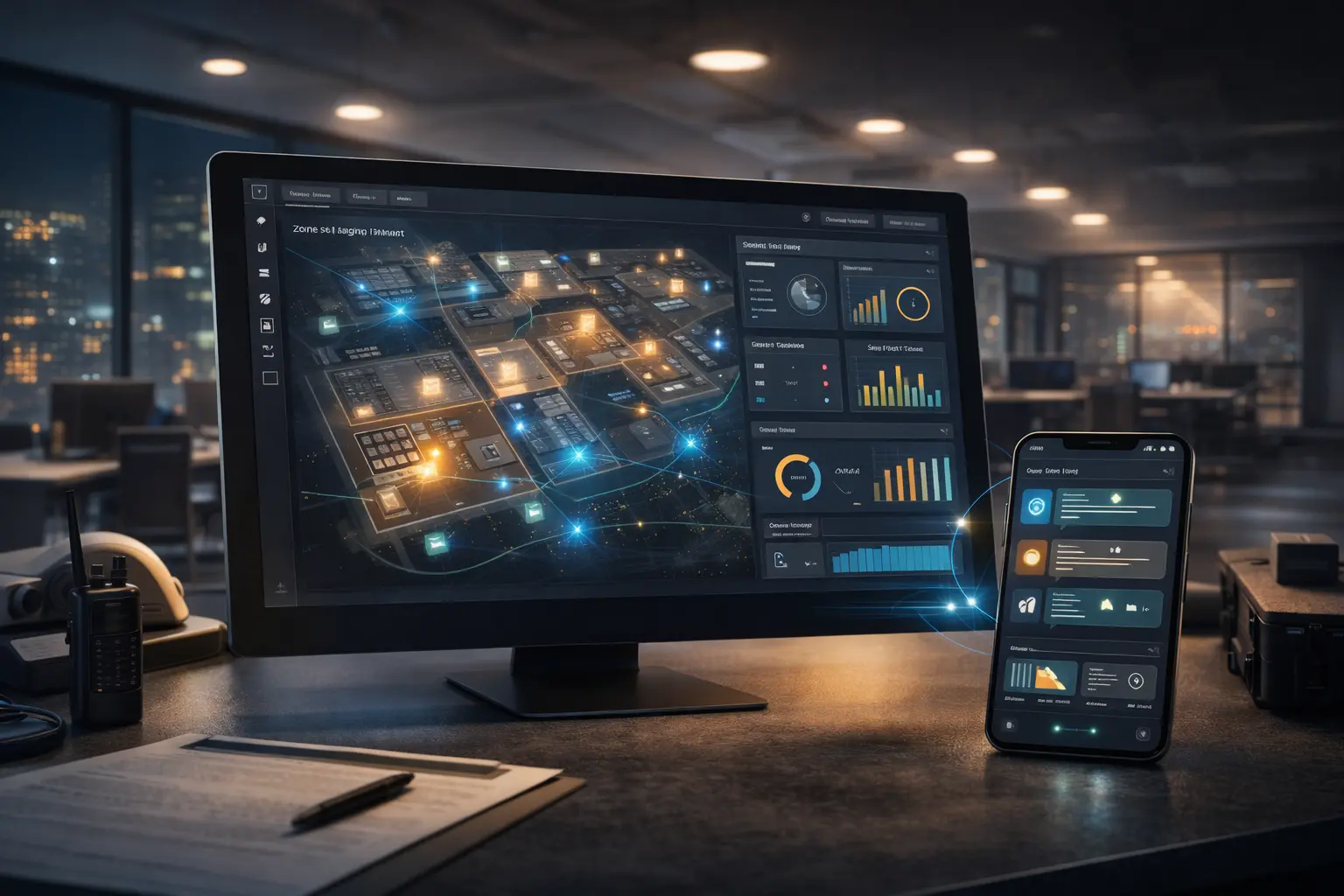
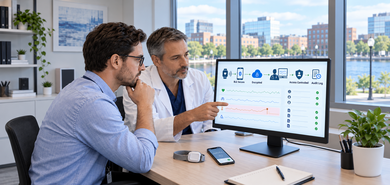
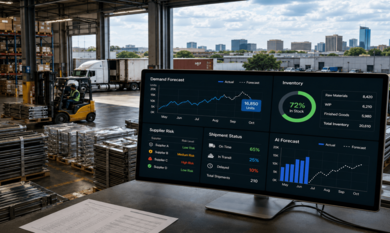
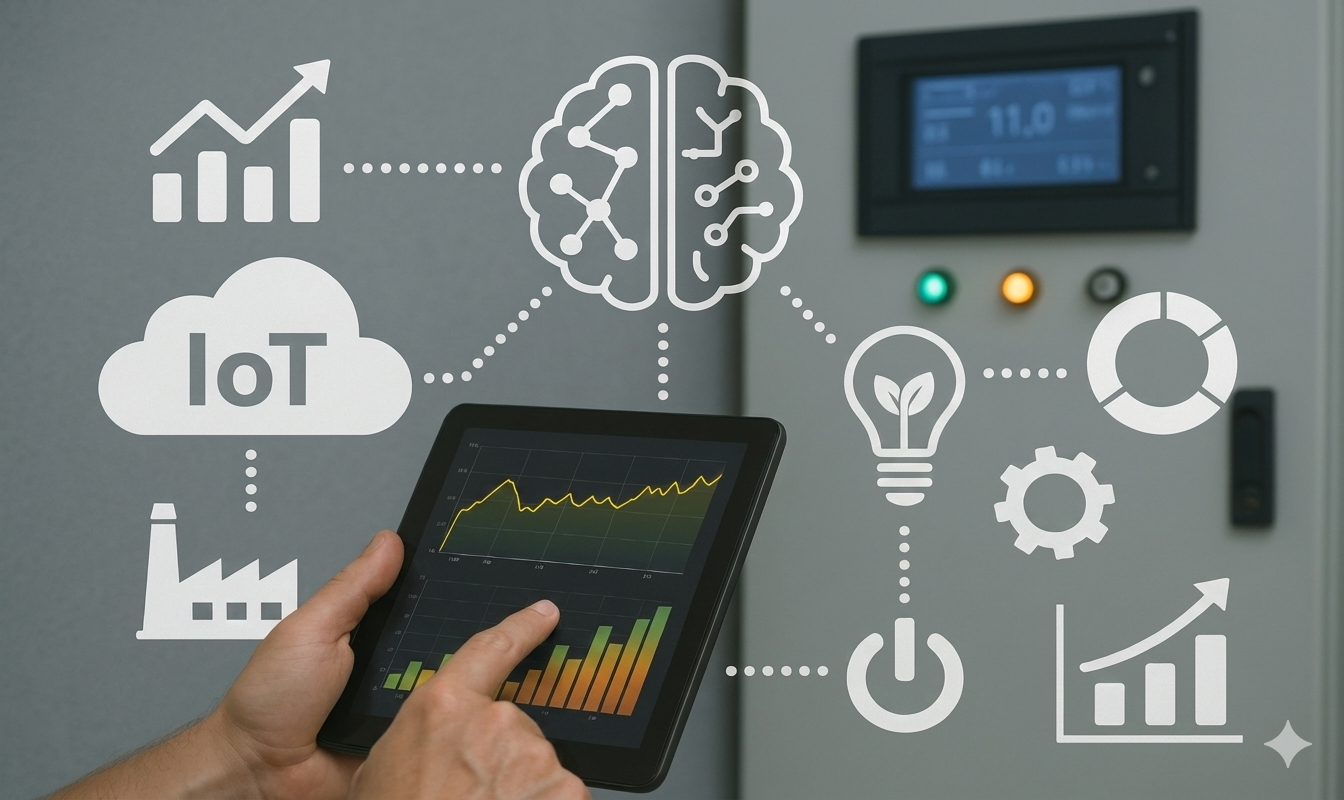
When BLE wearables connect to IoT platforms enhanced with AI, healthcare providers gain access to aiot safety monitoring capabilities. Data collected from wearables is continuously analyzed to identify abnormal patterns that could signal patient risk.
This approach supports predictive workplace safety in hospitals by identifying potential incidents before they occur. For example, AI models can detect early signs of respiratory distress or fall risk by analyzing subtle changes in movement and vitals.
This form of ai-driven risk management transforms patient safety from reactive to proactive
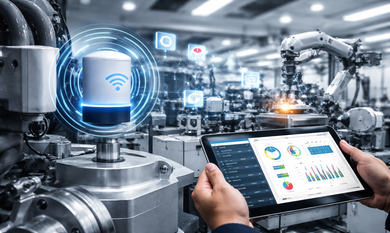
Smart Sensors for Industrial Safety Adapted to Healthcare
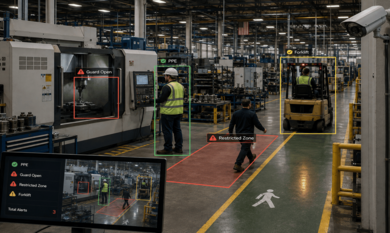
Technologies originally designed as smart sensors for industrial safety are now adapted for healthcare use. Motion sensors, proximity detectors, and biometric sensors work together to create a safety net around patients.
This Smart sensor monitoring enables:
- Fall detection in elderly care units
- Alerts for patients leaving restricted areas
- Monitoring recovery progress after surgery
- Continuous observation without intrusive equipment
BLE consulting ensures these systems operate reliably in device-dense hospital environments.
Realistic Scenario: BLE Wearables Prevent a Critical Incident
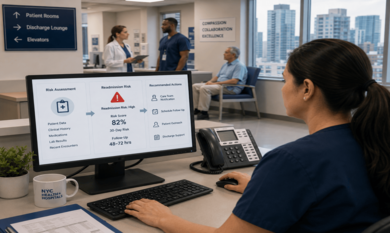
Consider a rehabilitation center caring for post-surgical patients. BLE-enabled wearables monitor heart rate, movement, and recovery activity. One patient shows reduced mobility combined with irregular vitals late at night.
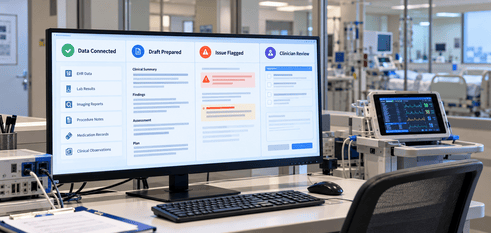
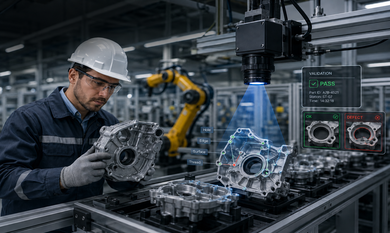
The system applies AI risk analytics and flags the patient as high risk. Nursing staff receive immediate alerts on mobile dashboards and intervene before the situation escalates. This example highlights Industrial safety automation principles applied to healthcare, where automated monitoring saves lives.
Mobile Visibility Through Cross-Platform Applications
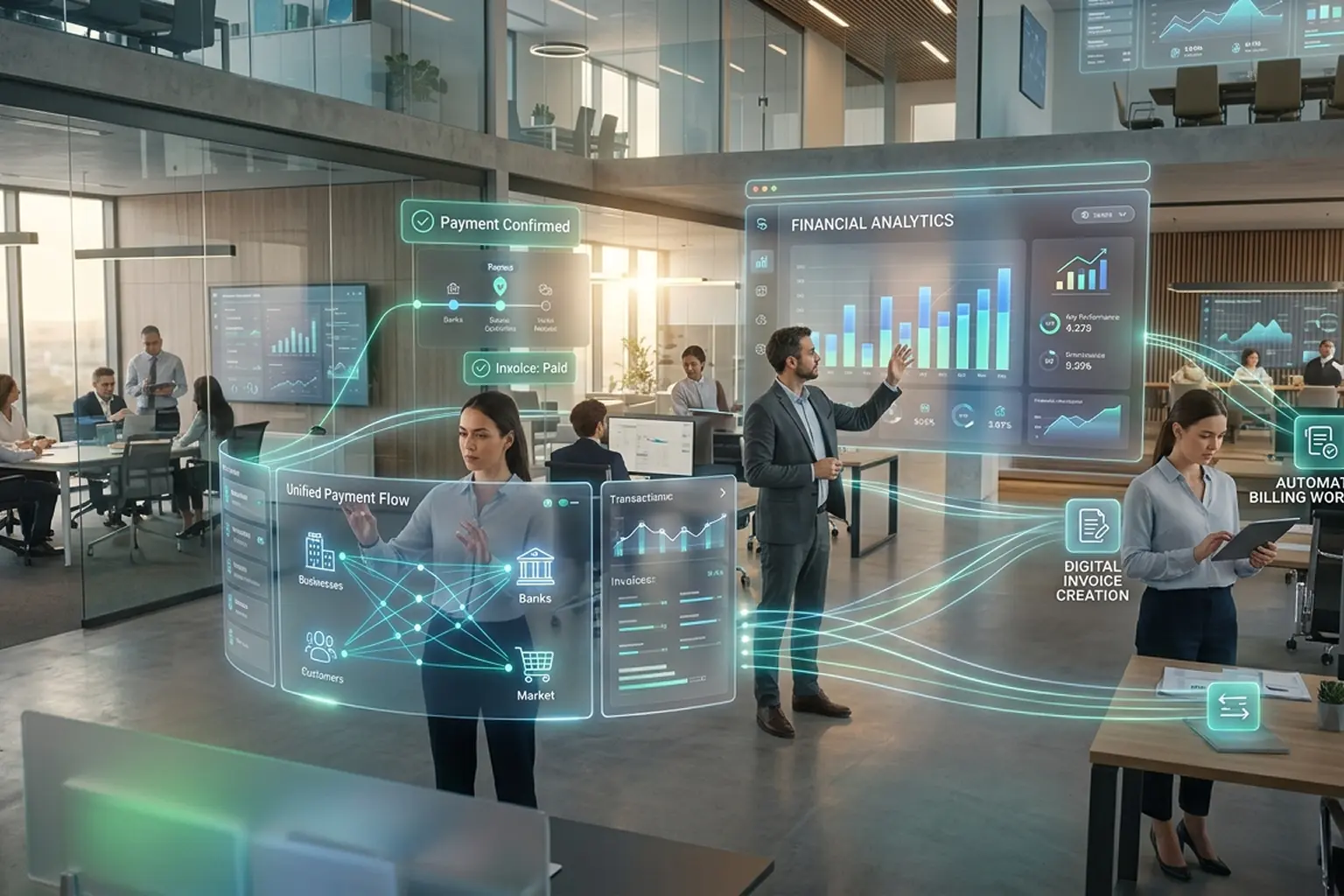
Data is only useful when it reaches the right people in time. Many healthcare providers rely on mobile dashboards built using cross platform app development services dallas to ensure real-time access across devices.
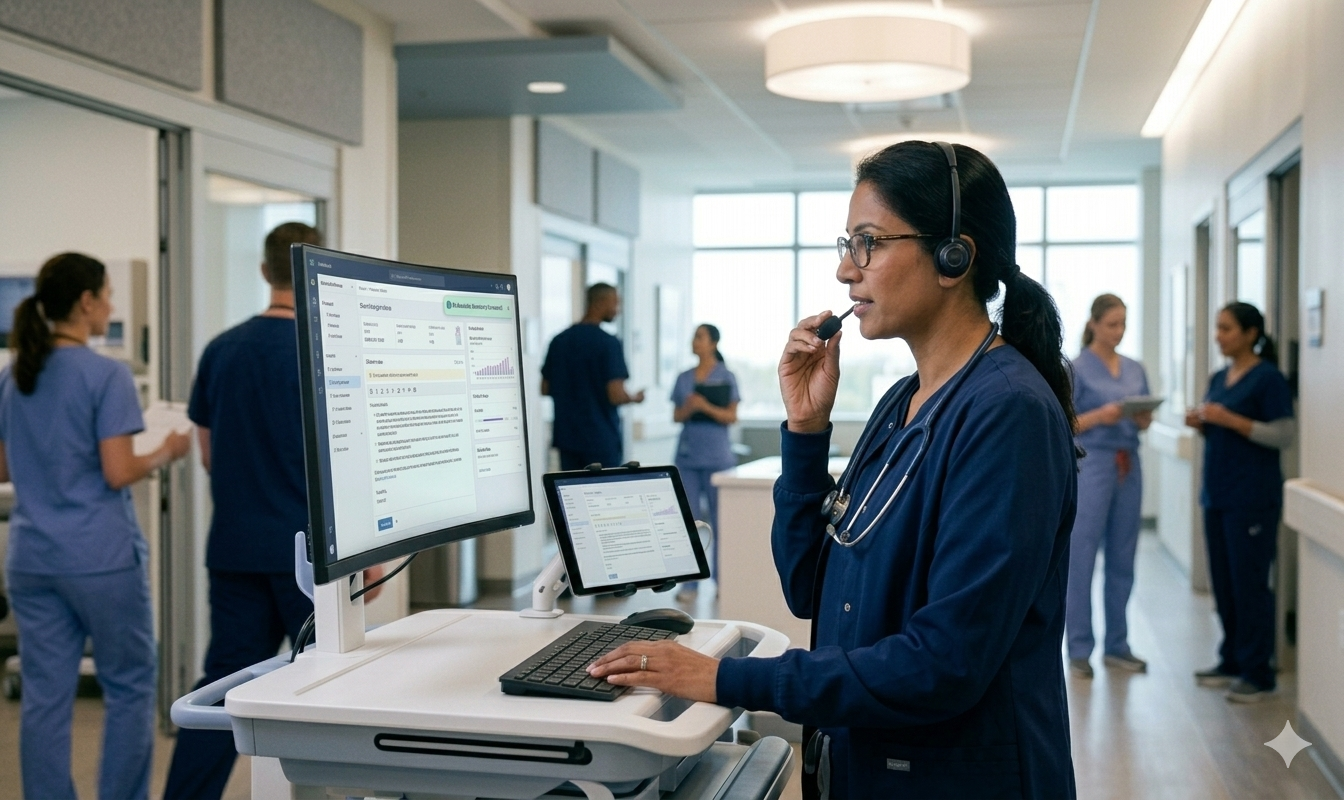
Doctors, nurses, and administrators can view patient trends, receive alerts, and track compliance metrics without being tied to a single system. These applications improve coordination and accountability across care teams.
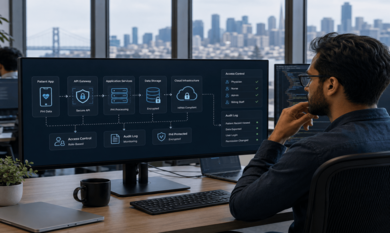
Backend Architecture for Real-Time Healthcare Data
Handling continuous BLE data streams requires robust backend infrastructure. Many platforms rely on custom node js development services dallas to process events in real time and support scalable data pipelines.
Node.js enables fast, event-driven architectures that are ideal for safety-critical healthcare applications where delays can lead to serious consequences.
Compliance, Security, and Data Integrity
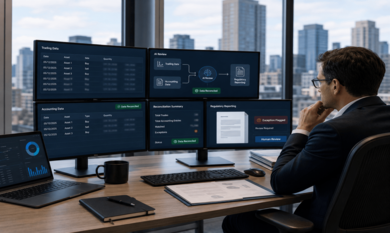
Healthcare data demands strict security and compliance. BLE consulting addresses:
- Encrypted device communication
- Secure device authentication
- Access controls for clinical staff
- Audit-ready data logging
These safeguards ensure patient trust and regulatory alignment while maintaining system performance.
Long-Term Benefits of BLE-Based Patient Safety Systems
Healthcare organizations adopting BLE and AI-powered monitoring experience:
- Faster response to patient risk
- Reduced adverse events
- Improved care quality and patient confidence
- Better staff efficiency and resource allocation
With AI predictive hazard control, patient safety systems continuously improve as they learn from real-world data.
Conclusion
BLE consulting plays a critical role in modern healthcare by enabling continuous, intelligent patient monitoring through wearable devices. When combined with AI and IoT, these systems move beyond basic tracking to deliver predictive insights and proactive safety management.
Theta Technolabs brings deep expertise across Web, Mobile and Cloud technologies to help healthcare organizations design scalable and secure monitoring platforms. As a trusted IoT development company dallas, Theta Technolabs supports healthcare providers in building intelligent systems that prioritize patient safety, compliance, and long-term operational excellence.
Build Safer, Smarter Patient Monitoring Systems
Patient safety cannot rely on periodic checks alone. It requires real-time intelligence and proactive intervention. Partner with Theta Technolabs to design and deploy BLE-powered wearable monitoring solutions tailored to your healthcare environment. 📧 Contact us at: sales@thetatechnolabs.com
Let’s create connected healthcare systems that protect patients and empower care teams.
FAQs
1. How does BLE help in continuous patient monitoring?
BLE enables wearable devices to transmit patient data such as heart rate, movement, and temperature continuously while consuming very little power. This allows patients to be monitored in real time without frequent battery changes or discomfort.
2. Can BLE wearable systems work in both hospitals and home care settings?
Yes. BLE-based monitoring systems are designed to function in hospitals, rehabilitation centers, and remote home care environments. Data can be transmitted through mobile devices or gateways to centralized platforms used by healthcare providers.
3. How does AI improve patient safety when combined with BLE and IoT?
AI analyzes data collected from wearables to identify abnormal patterns and predict risks. This supports early intervention by alerting healthcare teams before a patient’s condition worsens, improving overall safety and care outcomes.
4. Are BLE-based patient monitoring systems secure and compliant?
When implemented correctly, BLE systems use encrypted communication, secure device authentication, and controlled access to data. BLE consulting ensures compliance with healthcare regulations and protects sensitive patient information.
5. What types of healthcare organizations benefit most from BLE consulting?
Hospitals, chronic care providers, rehabilitation centers, elderly care facilities, and remote patient monitoring services benefit significantly. Any organization that requires continuous, real-time patient monitoring can gain value from BLE-based solutions.








.png)



.png)















.png)
















.png)