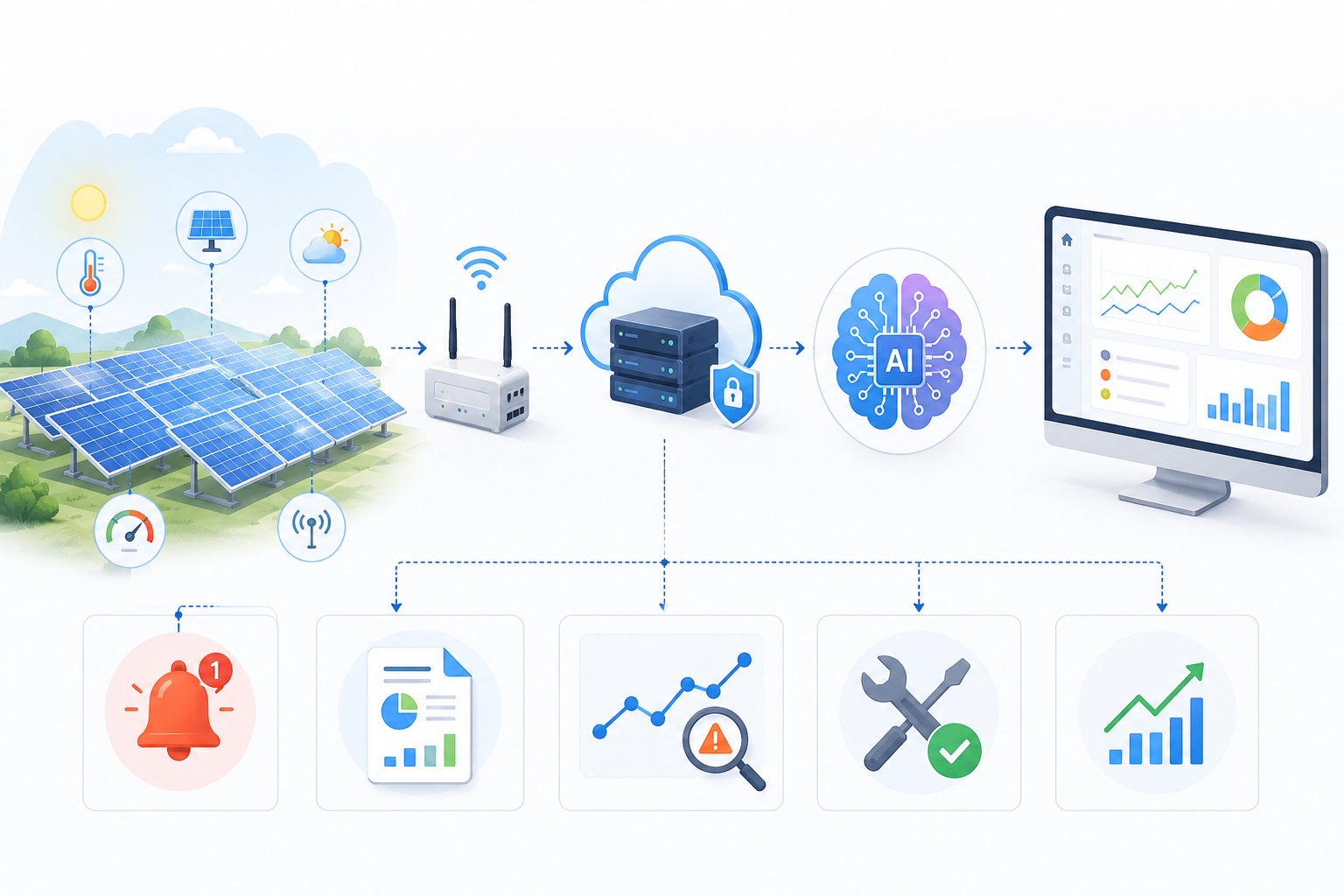
In modern manufacturing, unplanned downtime is no longer just an operational issue—it’s a direct threat to productivity, profitability, and customer commitments. As factories become more complex and interconnected, traditional maintenance methods struggle to keep up. This is where BLE sensors (Bluetooth Low Energy sensors) are transforming the way manufacturers monitor and manage equipment.
By enabling real-time equipment tracking, continuous data flow, and smarter decision-making, BLE sensors are becoming a core component of smart manufacturing and industrial IoT systems. For manufacturers in the U.S. exploring digital transformation, partnering with a reliable BLE app development company Dallas can make the difference between reactive maintenance and predictive, data-driven operations.
What Are BLE Sensors and Why Do They Matter in Manufacturing?
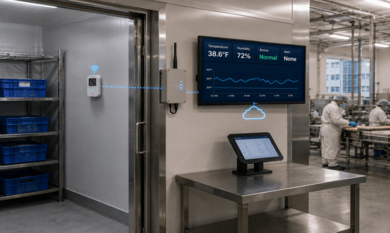
BLE sensors are low-power wireless devices designed to collect and transmit data such as temperature, vibration, pressure, motion, humidity, and equipment status. Unlike traditional wired sensors, BLE sensors are easy to install, cost-effective, and ideal for large industrial environments.
In manufacturing facilities, BLE sensor monitoring allows machines to “talk” to software systems in real time. This continuous visibility helps plant teams understand what’s happening on the shop floor—without manual checks or guesswork.
Key advantages include:
- Low energy consumption for long battery life
- Reliable short-range communication in industrial environments
- Easy integration with existing factory automation systems
- Scalability across multiple production lines and plants
How BLE Sensors Enable Real-Time Equipment Monitoring
1. Continuous Machine Condition Monitoring
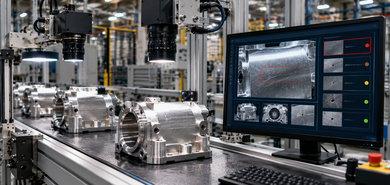
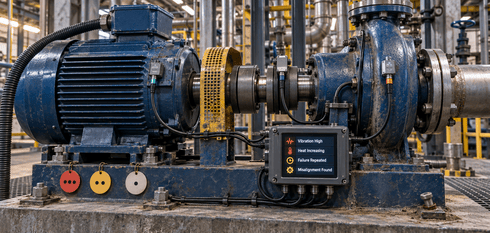
One of the biggest challenges for maintenance managers is identifying problems before they lead to breakdowns. BLE sensors continuously track machine health indicators such as vibration patterns, operating temperature, and runtime hours.
For example, if a motor starts vibrating beyond safe thresholds, the system flags it immediately. This form of machine condition monitoring allows teams to intervene early, avoiding costly failures.
Instead of scheduled maintenance based on assumptions, manufacturers gain real-time insights based on actual machine behavior.
2. Real-Time Equipment Tracking Across the Factory
Manufacturing plants often struggle to locate tools, mobile assets, or shared equipment. BLE beacons attached to assets enable real-time equipment tracking across production floors, warehouses, and maintenance zones.
A realistic scenario:
A large automotive components plant uses BLE sensors to track welding machines and forklifts. Operations managers can instantly see where equipment is, whether it’s active or idle, and how often it’s being used. This improves utilization and reduces unnecessary equipment purchases.
3. Enabling Predictive Maintenance Instead of Reactive Repairs
Reactive maintenance leads to downtime, overtime labor, and emergency part replacements. BLE sensor data feeds into analytics platforms that support predictive maintenance strategies.
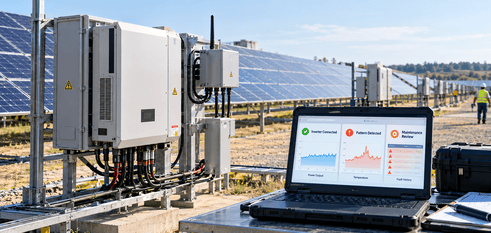
By analyzing trends over time—such as gradual temperature increases or irregular vibration patterns—manufacturers can predict failures before they happen.
This approach:
- Reduces unplanned downtime
- Extends equipment lifespan
- Lowers maintenance costs
- Improves production scheduling
Predictive maintenance is a key pillar of modern industrial IoT systems, and BLE sensors play a crucial role in making it practical and scalable.
BLE Sensors as a Foundation for Smart Manufacturing
1. Improving Asset Performance Monitoring
Manufacturers today are focused not just on keeping machines running, but on optimizing performance. Asset performance monitoring using BLE sensors helps track metrics like uptime, cycle time, and operating efficiency.
For instance, production heads can identify machines that consistently underperform and take corrective action—whether through recalibration, operator training, or process redesign.
This level of insight is essential for data-driven decision-making in smart manufacturing environments.
2. Supporting Factory Automation and Digital Workflows
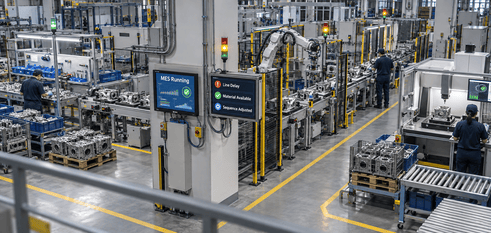
BLE sensors integrate seamlessly with automation platforms, dashboards, and ERP or MES systems. This connectivity allows manufacturers to automate alerts, maintenance tickets, and reporting workflows.
Example:
When a sensor detects abnormal heat levels in a CNC machine, the system automatically:
- Sends an alert to the maintenance team
- Logs the issue in the maintenance system
- Suggests recommended actions based on historical data
This closed-loop automation reduces human dependency and improves response times—key goals of advanced factory automation.
Scalability and Business Value for Growing Manufacturers
1. Scalable IoT Architecture for Mid-to-Large Plants
Manufacturers operating multiple facilities need solutions that scale. BLE-based monitoring systems are modular and flexible, making them ideal for expansion across plants or production lines.
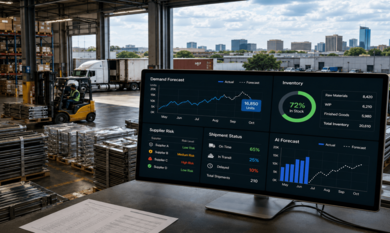
With the support of IoT application development services Dallas, manufacturers can build custom dashboards, mobile apps, and cloud platforms that unify data from thousands of BLE sensors into a single operational view.
This centralized visibility helps leadership teams standardize maintenance practices and benchmark performance across locations.
2. Empowering Startups and Innovation-Led Manufacturing Firms
Manufacturing startups and fast-growing companies often lack the resources for heavy infrastructure investments. BLE sensor solutions are cost-effective and fast to deploy, making them attractive for innovation-driven firms.
By combining BLE monitoring with modern IT services for startups Dallas, manufacturers can:
- Launch pilot projects quickly
- Validate ROI before full-scale rollout
- Integrate monitoring into digital-first business models
This approach aligns well with agile manufacturing and lean operations.
Why Software and App Integration Matters
BLE sensors alone don’t deliver value—the real power lies in the software layer. Custom mobile and web applications allow stakeholders to visualize data, receive alerts, and act in real time.
A trusted BLE app development company Dallas can design applications that:
- Provide role-based dashboards for plant managers and maintenance teams
- Enable mobile access for on-site engineers
- Integrate with cloud analytics platforms for long-term insights
This combination of hardware and intelligent software is what turns raw sensor data into actionable intelligence.
Real-World Use Case: Predictive Maintenance in Action
Consider a mid-sized packaging manufacturer experiencing frequent conveyor belt failures. By deploying BLE vibration and temperature sensors on motors and rollers, the company gained real-time visibility into equipment health.
Within three months:
- Unplanned downtime dropped by 28%
- Maintenance costs reduced significantly
- Production schedules became more reliable
This is a practical example of how BLE sensor monitoring directly impacts operational efficiency and profitability.
Conclusion: Building Smarter, More Resilient Factories
As manufacturing continues to evolve under Industry 4.0, real-time visibility is no longer optional. BLE sensors enable manufacturers to move from reactive problem-solving to proactive, data-driven operations.
By implementing BLE-powered monitoring systems supported by robust Web, Mobile and Cloud platforms, manufacturers can unlock predictive maintenance, optimized asset usage, and scalable digital transformation.
At Theta Technolabs, we help manufacturing businesses design and implement intelligent monitoring solutions tailored to real operational needs. Whether you’re modernizing an existing plant or building a future-ready factory, BLE-driven systems provide a strong foundation for long-term success.
Ready to Reduce Downtime and Gain Real-Time Equipment Visibility?
Partner with Theta Technolabs to build scalable BLE-enabled monitoring solutions designed for modern manufacturing environments.
📧 Contact us at: sales@thetatechnolabs.com
Let’s transform your manufacturing operations with smart, connected, and reliable technology.
FAQs
1. How do BLE sensors reduce equipment downtime?
BLE sensors continuously track machine health and detect abnormal patterns early, allowing maintenance teams to fix issues before breakdowns happen.
2. Are BLE sensors suitable for large manufacturing facilities?
Yes, BLE sensors are scalable and can be deployed across multiple production lines and plants while integrating smoothly with existing industrial systems.
3. What types of equipment can be monitored using BLE sensors?
They can monitor motors, pumps, conveyors, CNC machines, compressors, and other critical equipment used in manufacturing operations.
4. How do BLE sensors enable predictive maintenance?
By collecting real-time and historical data, BLE sensors help identify early warning signs of wear or failure, enabling planned maintenance instead of emergency repairs.
5. Can BLE sensor data be accessed remotely?
Yes, the data can be viewed through secure web and mobile applications that provide real-time dashboards, alerts, and performance insights.































.png)




.png)























.png)