

Boston’s healthcare systems are among the most advanced in the country. Yet in 2026, many hospitals are still managing a mix of old and new technologies that do not fully connect with each other. Patient data sits in different systems. Departments use different tools. Clinicians spend too much time navigating screens instead of focusing on care.
Now imagine a different setup.
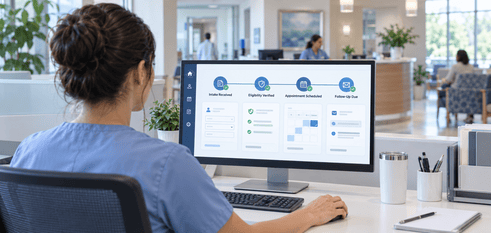
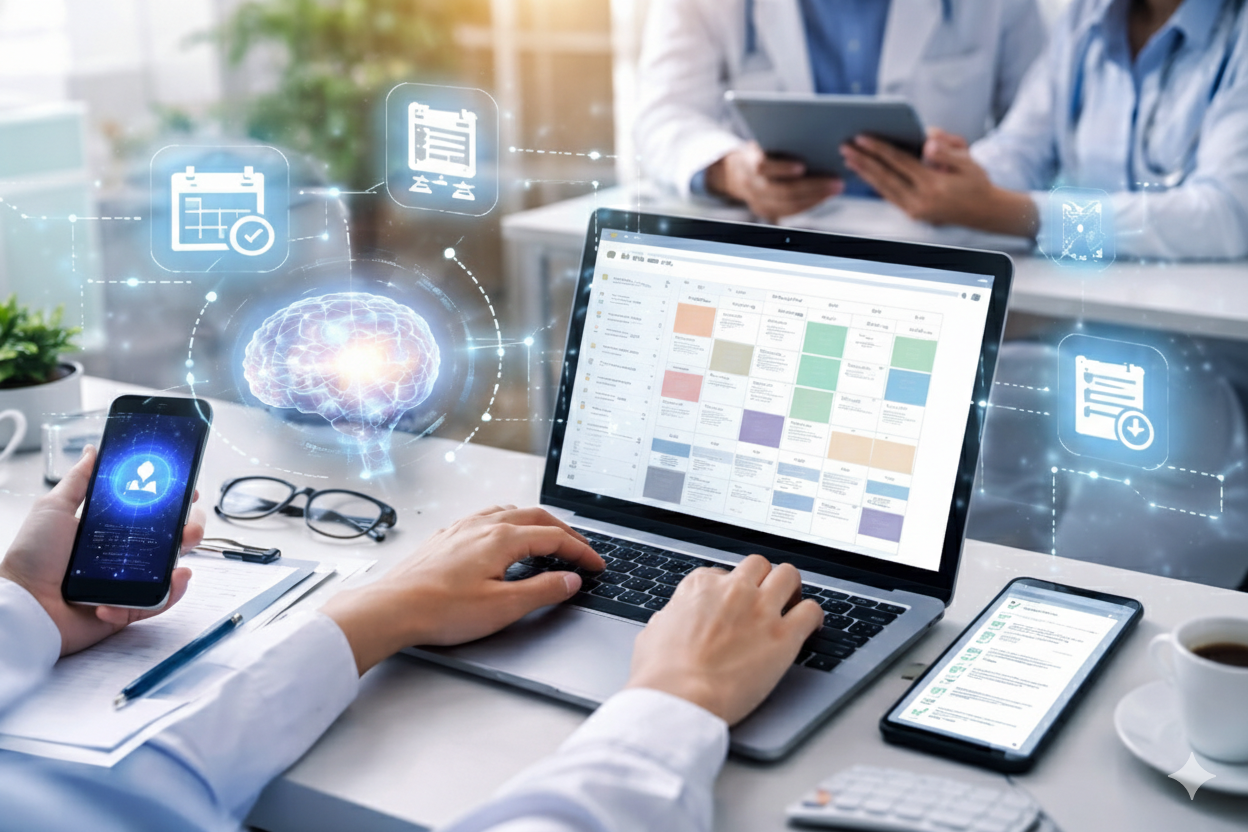
Instead of replacing legacy systems, an intelligent AI layer connects them. Patient records from multiple departments appear in one clear view. Documentation is drafted automatically. Risk alerts surface in real time. Sensitive data, including Substance Use Disorder records, is handled in line with the February 2026 HIPAA update.
This is what Healthcare AI legacy system integration makes possible.
It is not about starting over. It is about making existing infrastructure smarter, more connected, and easier to use. In Boston’s 2026 healthcare landscape, the real transformation begins when AI works quietly in the background, supporting clinicians and strengthening operations across the entire system.
The Integration Reality: Where Machine Learning Services Fit
Boston’s leading health systems have world-class clinicians, research partnerships, and innovation labs. What they also have is decades of fragmented infrastructure. EHR customizations layered over older databases. Department-specific software that does not speak the same language. Imaging systems operating on different standards.
This is where Machine Learning Services have become the operational bridge.
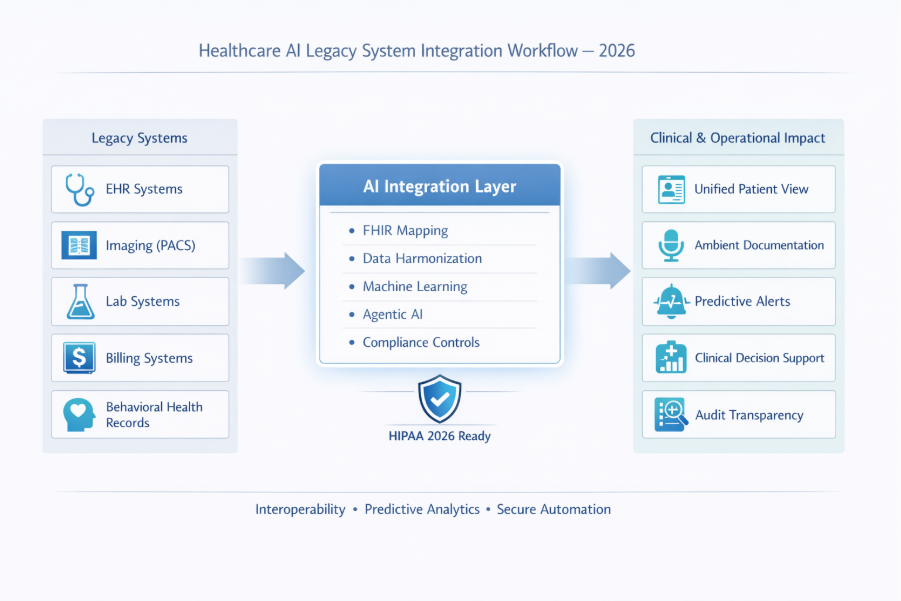
Instead of ripping out legacy systems, 2026 strategies focus on:
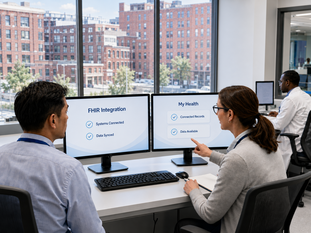
- Data harmonization layers built on FHIR standards
- AI-driven normalization of structured and unstructured records
- Context-aware APIs that connect older databases to modern platforms
- Real-time ingestion pipelines for lab, imaging, and claims data
This is the foundation of Healthcare AI legacy system integration.
What If It Is Implemented Today?
- A 30-year-old cardiology system becomes queryable through natural language.
- Disparate oncology notes are summarized into standardized care pathways.
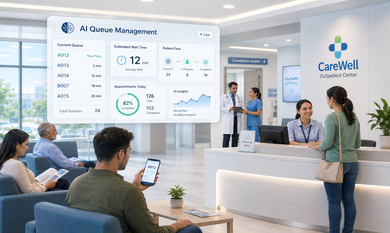
- Billing, scheduling, and clinical systems sync automatically.
The immediate impact is measurable:
- Up to 60% efficiency gains in clinical workflows, as reported by early adopters presenting at the HIMSS 2026 AI Forum in Boston.
- Significant reduction in duplicate testing due to unified data views.
- Faster discharge planning enabled by real-time data aggregation.
This is AI innovation in Boston hospitals grounded in operational reality.
Agentic AI and the ROI of Autonomy
Traditional automation followed rules. Agentic AI acts with contextual awareness. It plans, executes, and refines tasks within defined governance boundaries.
In a Boston-based academic health system managing 1.5 million patient records, agentic AI was introduced to coordinate documentation, care gap alerts, and discharge summaries.
Immediate Results
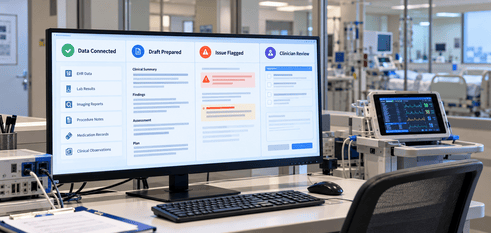
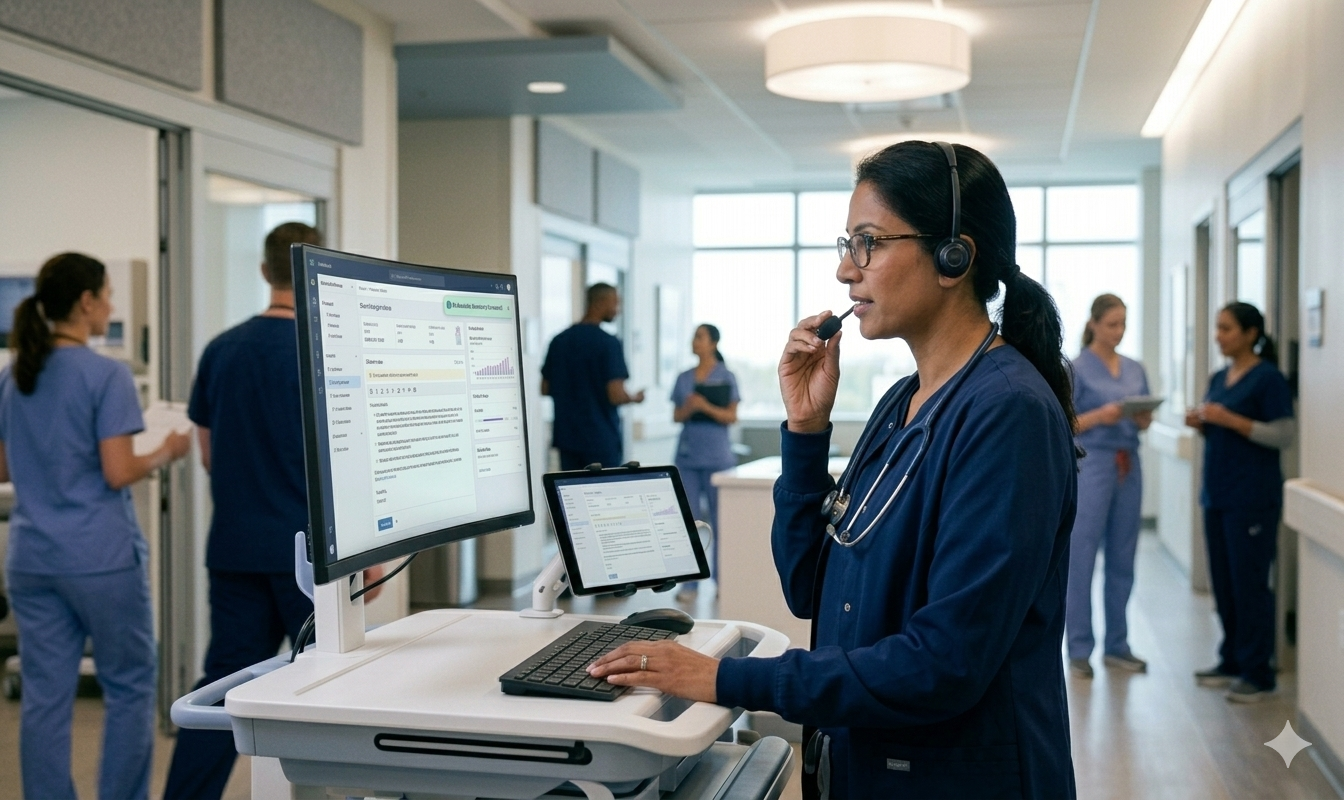
- 40% reduction in documentation time using ambient AI tools.
- 25% improvement in care coordination metrics.
- Noticeable improvement in clinician satisfaction scores.
The most discussed metric at HIMSS 2026?
Reducing clinician burnout with ambient AI.
Ambient AI listens passively during consultations, structures notes automatically, and surfaces evidence-based guidelines in real time. The ROI of agentic AI in healthcare Boston is no longer theoretical. It is operational:
- Fewer after-hours charting sessions.
- Improved billing accuracy.
- Reduced turnover costs tied to burnout.
The financial implications are direct:
- Decreased overtime costs.
- Faster reimbursement cycles.
- Improved patient throughput.
When evaluating the ROI of agentic AI in healthcare Boston, the strongest returns are human.
Linking Legacy Systems Seamlessly
Boston hospitals are not short on data. They are short on connectivity.
Interoperability in legacy healthcare has been a persistent barrier. However, 2026 solutions focus on layering intelligence rather than forcing disruptive replacements.
How to Modernize Legacy Health Records with AI
- FHIR-Based Data Mapping
Legacy records are mapped to standardized FHIR resources without altering core databases.
- Generative AI for Clinical Workflows
AI agents interpret handwritten notes, scanned PDFs, and dictations into structured data.
- Real-Time Data Translation Engines
Older HL7 formats are converted dynamically for modern systems.
- Unified Clinical Dashboards
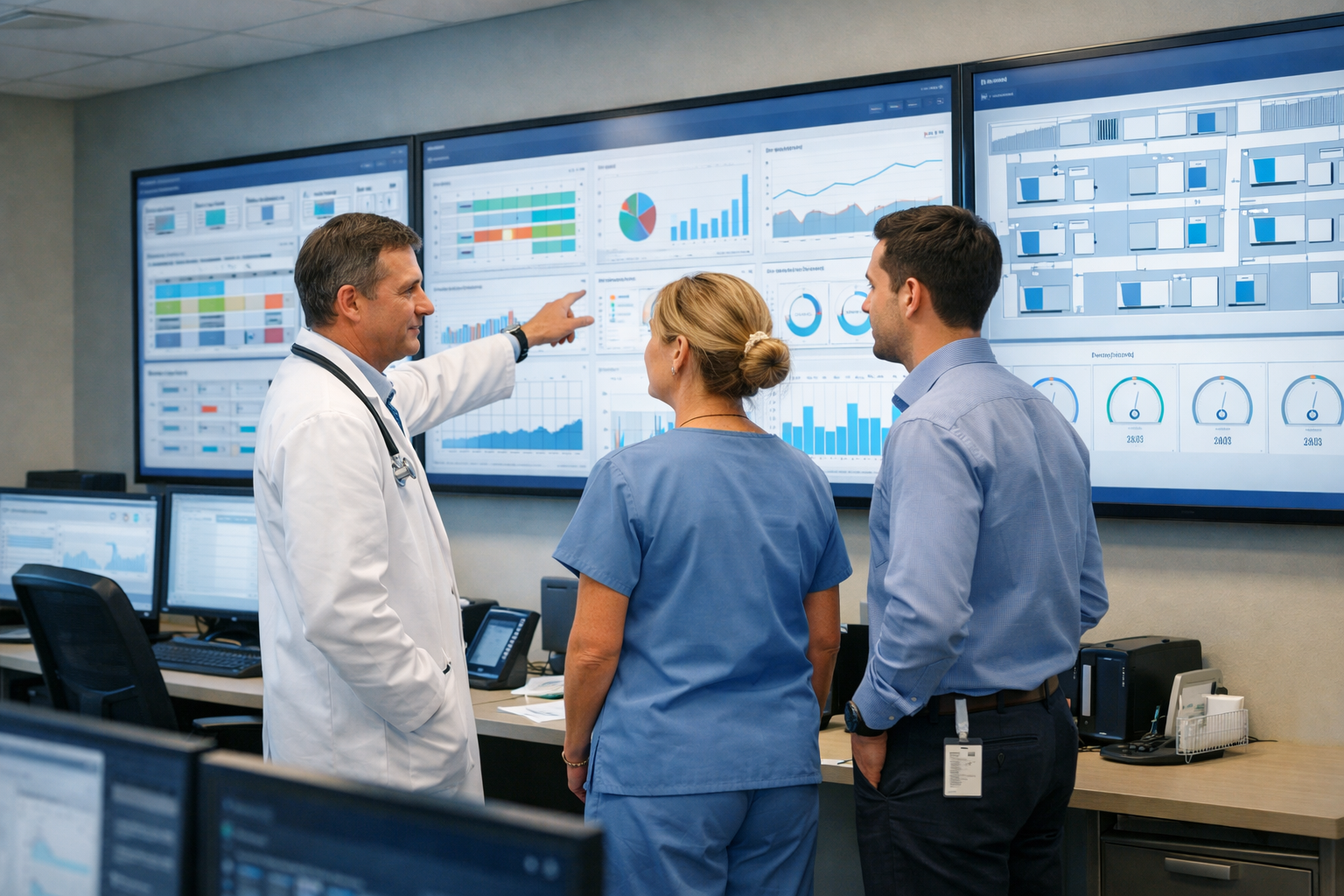
Clinicians access a consolidated patient view regardless of source.
This is practical Healthcare AI legacy system integration. It enables:
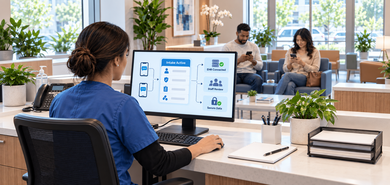
- Seamless referrals across Boston’s healthcare networks.
- Transparent sharing of SUD records aligned with the February 2026 HIPAA modifications.
- Coordinated specialty and primary care workflows.
The result is operational clarity without massive infrastructure upheaval.
Clinical Decision Support and Predictive Intelligence
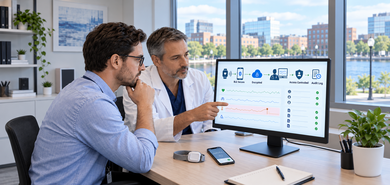
Boston’s research environment accelerates adoption of AI clinical decision support Boston systems.
In 2026, these systems operate beyond static alerts.
Predictive Health Analytics 2026 in Action
- Early sepsis detection using real-time vitals and lab trends.
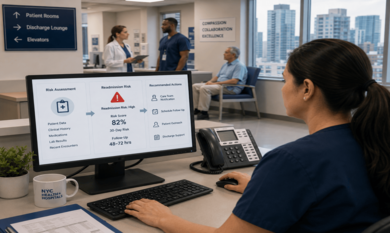
- Readmission risk scoring updated continuously.
- Medication adherence predictions tied to behavioral and socioeconomic factors.
An anonymized Boston health system integrated AI clinical decision support across cardiology and oncology units. Within six months:
- 18% reduction in avoidable readmissions.
- 22% improvement in early intervention compliance.
- Faster tumor board decision cycles supported by AI summaries.
This is Generative AI for clinical workflows paired with predictive modeling.
Rather than replacing physician judgment, these tools enhance it. They surface probabilities, explain contributing variables, and document reasoning transparently.
Compliance and Ethics in 2026
No discussion of AI in Boston healthcare is complete without compliance.
The February 2026 HIPAA update significantly strengthened protections around Substance Use Disorder records. Transparency, patient consent tracking, and granular access controls are mandatory.
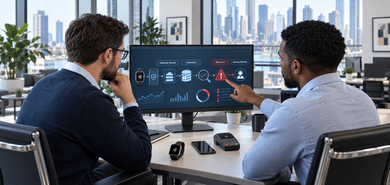
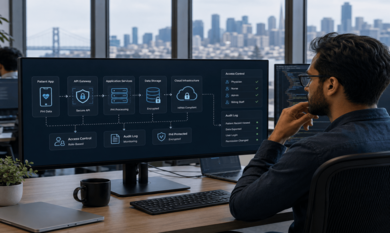
Modern systems are designed for HIPAA-compliant AI automation, incorporating:
- Role-based AI agent permissions.
- Encrypted data pipelines.
- Full audit logs of AI-driven recommendations.
- Automated consent validation before SUD data access.
What if compliance is embedded from day one?
- Regulatory audits become predictable.
- Legal exposure is reduced.
- Patient trust increases.
At HIMSS 2026, a recurring theme is clear: AI adoption without compliance architecture is not innovation. It is risk.
Boston’s 2026 healthcare landscape treats governance as foundational infrastructure.
Frequently Asked Questions
1. How disruptive is Healthcare AI legacy system integration?
When implemented as a data-layer strategy rather than a system replacement, disruption is minimal. Most integrations occur through APIs and FHIR mappings without shutting down existing systems.
2. What is the typical ROI of agentic AI in healthcare Boston?
Early adopters report:
- 40% reduction in documentation time.
- Up to 60% workflow efficiency gains.
- Measurable reductions in clinician burnout and overtime costs.
3. How does AI handle sensitive SUD records under 2026 HIPAA rules?
Through HIPAA-compliant AI automation:
- Consent-aware access controls.
- Encrypted processing.
- Transparent audit trails aligned with February 2026 updates.
4. Is Generative AI for clinical workflows safe?
When deployed with explainability layers and human oversight, generative AI enhances documentation and summarization without replacing clinical authority.
5. How long does modernization take?
Most Boston health systems see phased value within 6 to 12 months when focusing on interoperability in legacy healthcare rather than full system replacement.
A 2026 Outlook for Boston Healthcare
Boston has always been a healthcare innovation corridor. In 2026, the conversation has matured. The focus is no longer on whether AI belongs in hospitals. It is on how seamlessly it integrates with decades of existing infrastructure.
AI innovation in Boston hospitals now centers on:
- Intelligent bridging of legacy systems.
- Predictive health analytics 2026 embedded into daily workflows.
- Generative AI for clinical workflows reducing administrative friction.
- Compliance-first architecture aligned with evolving HIPAA standards.
What if every clinician began the day with structured, summarized, predictive insight instead of fragmented data?
What if interoperability in legacy healthcare became invisible infrastructure rather than a persistent obstacle?
That future is not theoretical. It is unfolding across Boston in 2026.
Conclusion
Boston’s healthcare future in 2026 is not defined by replacing legacy systems. It is defined by intelligently connecting them. Hospitals that successfully implement Healthcare AI legacy system integration are not discarding decades of investment. They are activating it with structured data layers, predictive models, and agentic AI embedded directly into clinical workflows.
The impact is immediate and measurable. Clinicians experience less administrative strain. Leadership teams gain clearer operational visibility. Compliance teams operate with stronger audit confidence under the February 2026 HIPAA updates. Most importantly, patient care becomes more coordinated, timely, and informed.
This is where strategic execution matters.
Organizations that partner with experienced technology teams such as Theta Technolabs are accelerating this shift through secure, scalable architectures built across Web, Mobile and Cloud environments. By aligning interoperability standards, AI automation, and compliance frameworks, healthcare systems can modernize responsibly while maintaining operational continuity.
The next chapter of Boston healthcare is not about experimenting with AI. It is about embedding intelligence into everyday clinical and administrative processes in a way that is secure, measurable, and sustainable.
Connect Systems. Improve Care
If your organization is exploring how to modernize legacy health records with AI or evaluating the next phase of Healthcare AI legacy system integration, now is the time to move forward with clarity and structure.
Partner with a trusted Healthcare AI development company in Boston to design a phased, compliant, and measurable transformation roadmap. Teams like Theta Technolabs work closely with hospital administrators and technology leaders to align AI architecture with clinical workflows, interoperability standards, and 2026 HIPAA requirements.
The next generation of care will not replace your infrastructure. It will connect it, activate it, and elevate it.
To begin your transformation journey, reach out at sales@thetatechnolabs.com













.png)



.png)


















.png)