

In industries such as logistics, manufacturing, retail, and energy, knowing the exact location and condition of assets is no longer a competitive advantage, it is a business requirement. Delays, theft, data silos, and lack of trust across supply chains continue to cost organizations millions every year.
This is where the combination of Blockchain and the Internet of Things creates a powerful shift. Together, they enable real-time visibility, tamper-proof records, and trusted data sharing across multiple stakeholders. When implemented correctly, Blockchain and IoT redefine how businesses track, verify, and manage physical assets.
The Limitations of Traditional Asset Tracking Systems
Many organizations still rely on centralized databases, manual updates, or disconnected tracking tools. These systems struggle to provide accurate and trustworthy data across complex supply chains.
Common challenges include:
- Lack of real-time visibility across locations
- Data manipulation or inconsistencies between partners
- Limited traceability for high-value assets
- Delayed issue detection during transit
Without a shared source of truth, asset tracking becomes fragmented and unreliable.
The Role of IoT in Real-Time Asset Visibility
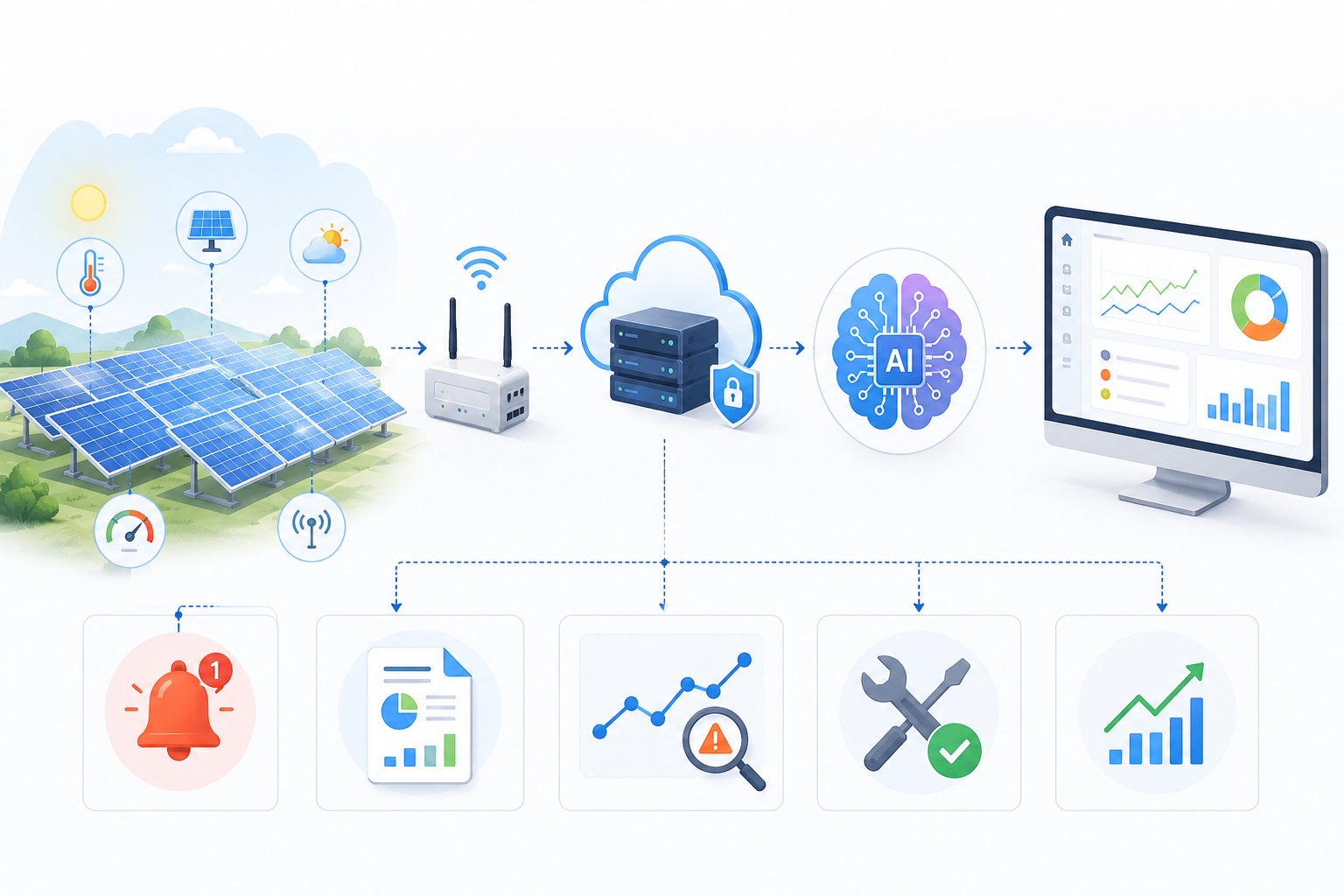
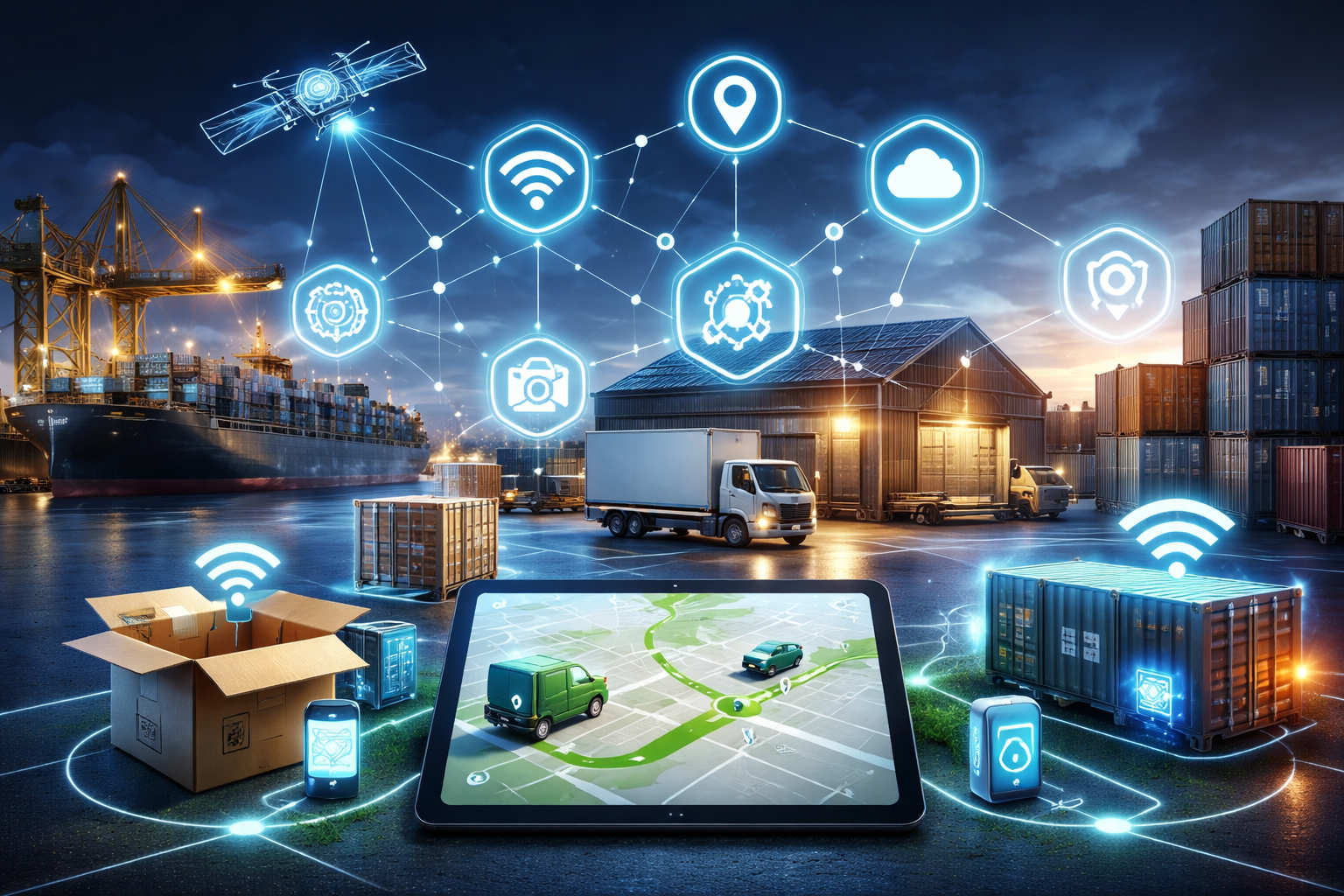
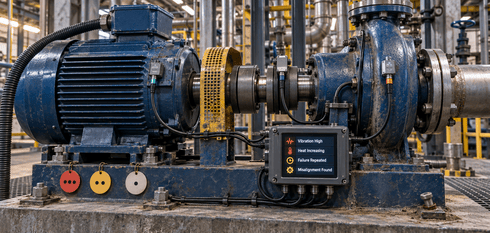
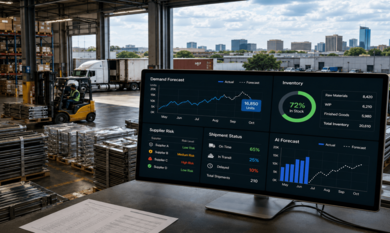
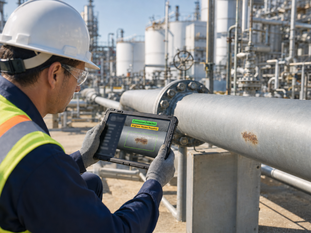
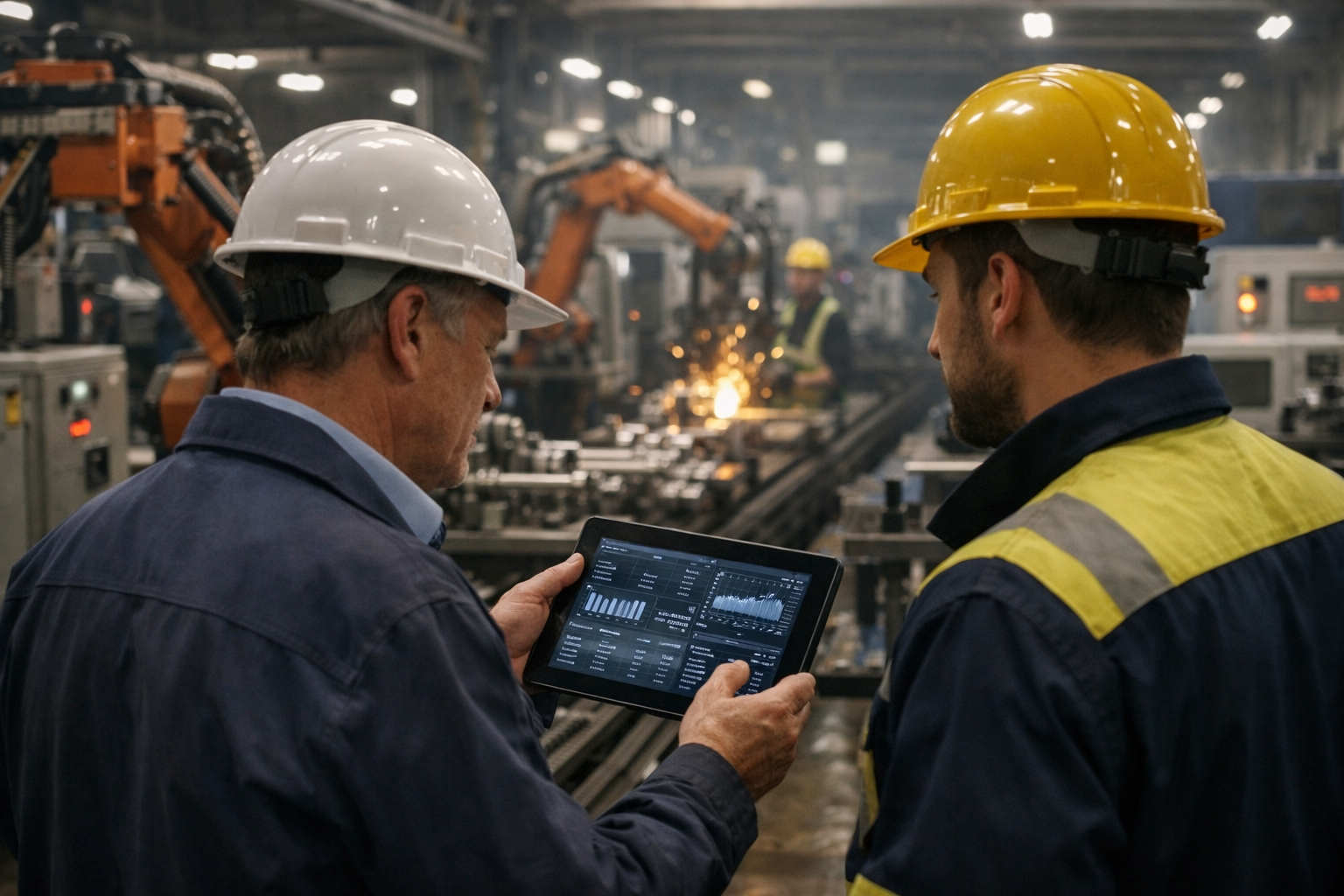
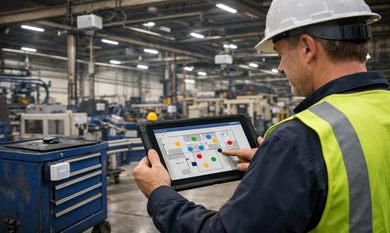
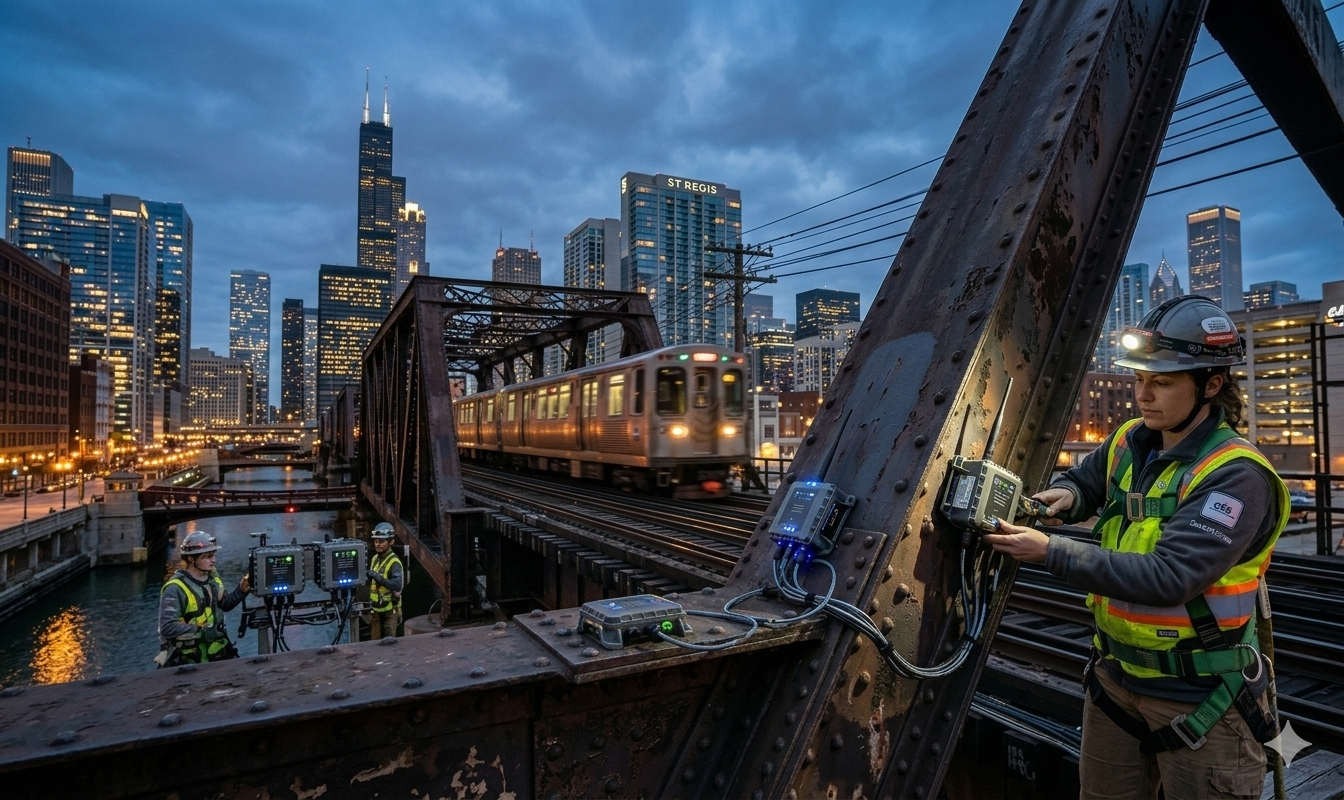
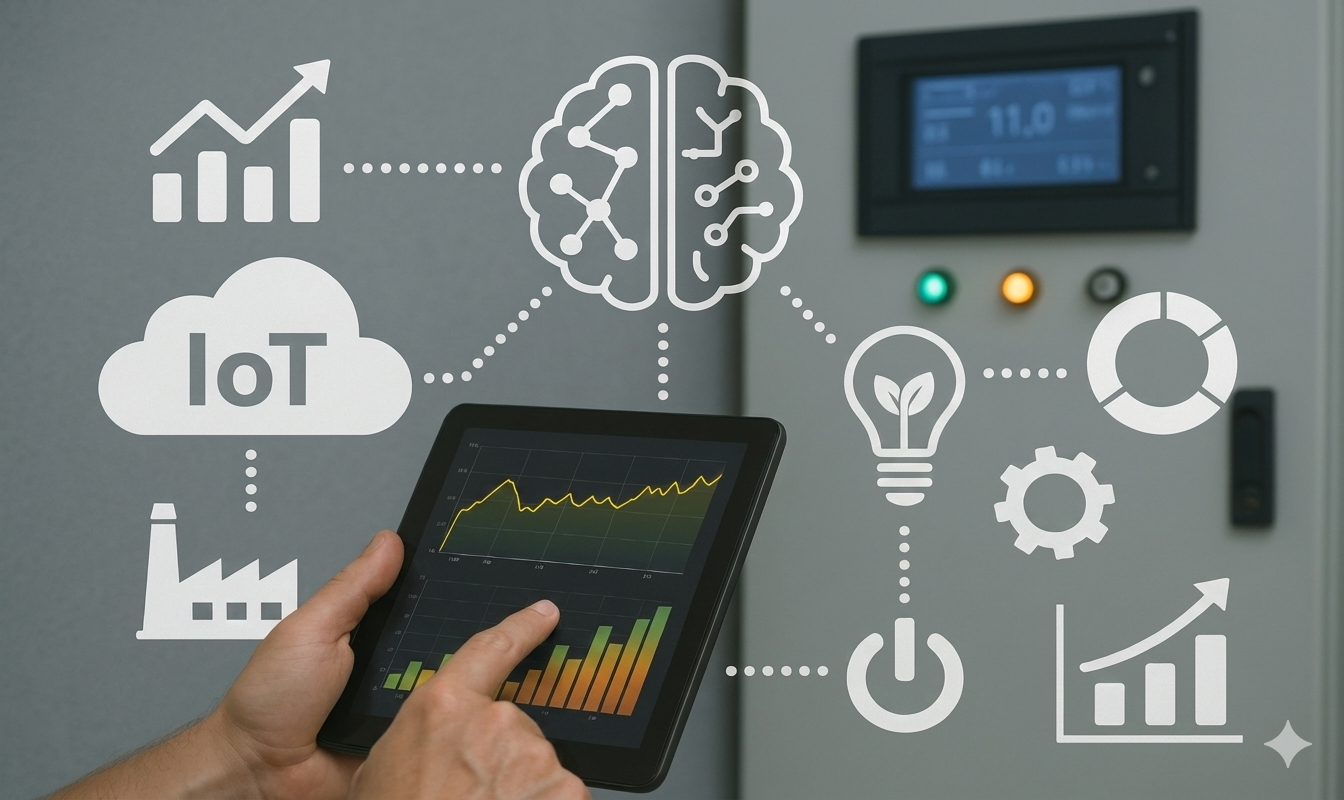
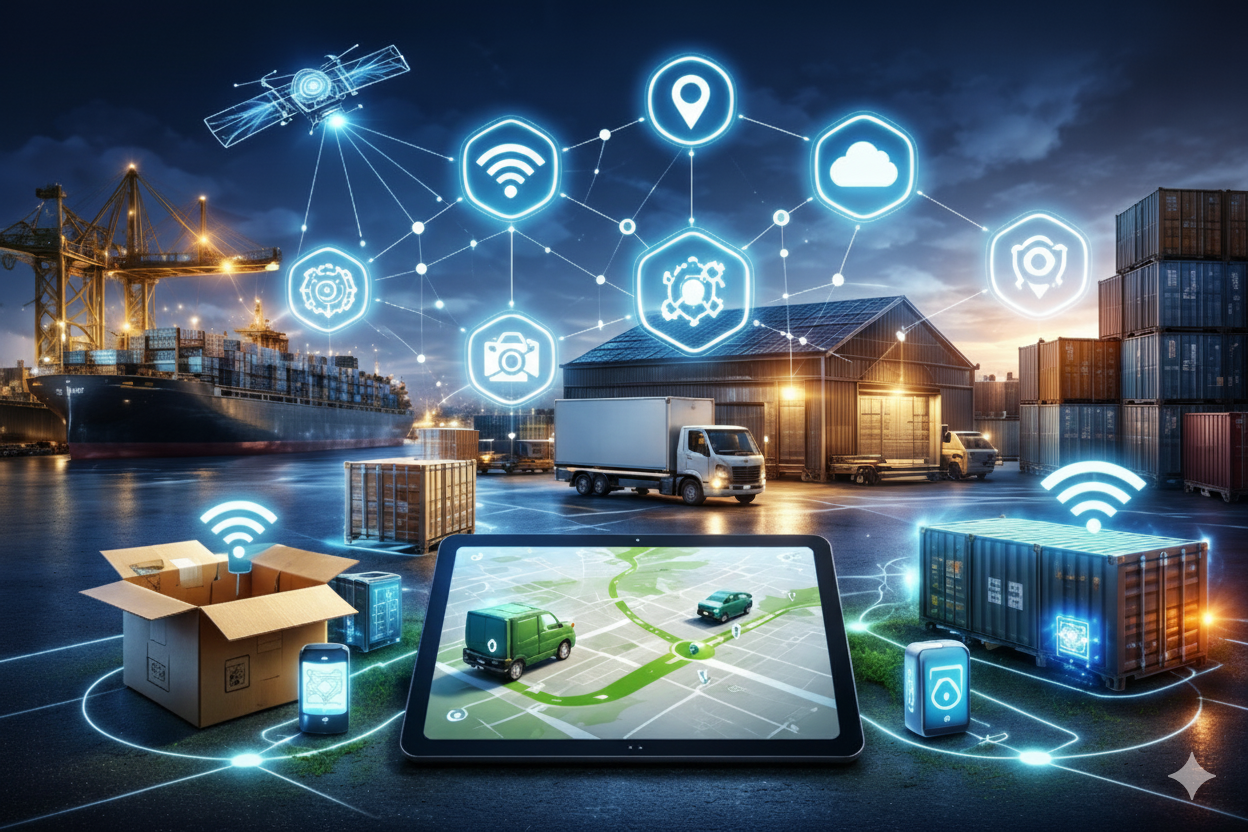
IoT devices act as the data collection layer in modern asset tracking systems. Sensors attached to vehicles, containers, pallets, or equipment continuously collect location, temperature, humidity, vibration, and movement data.
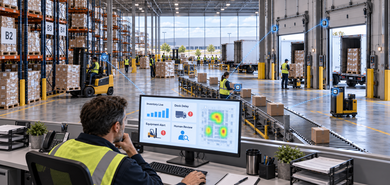
This enables real-time asset tracking IoT, allowing businesses to monitor assets as they move across warehouses, borders, and distribution hubs. These insights help detect delays, environmental risks, or unauthorized access immediately.
For companies operating in Texas and surrounding regions, IoT supply chain management Dallas solutions are becoming essential to manage fast-moving, high-volume logistics operations.
Why Blockchain Is the Missing Trust Layer
While IoT generates data, Blockchain ensures that the data can be trusted. Blockchain stores asset events in an immutable ledger that cannot be altered after recording.
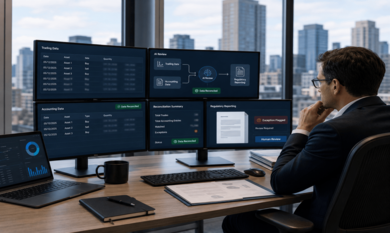
In blockchain-enabled logistics, every movement, sensor update, or status change becomes a verified transaction. This creates a transparent audit trail accessible to authorized stakeholders such as manufacturers, logistics providers, insurers, and regulators.
Blockchain eliminates disputes by ensuring all parties rely on the same verified data rather than separate records.
How Blockchain and IoT Work Together
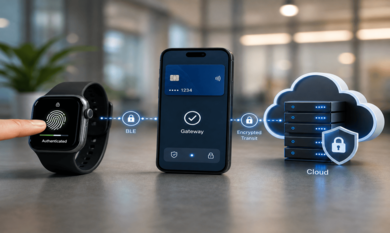
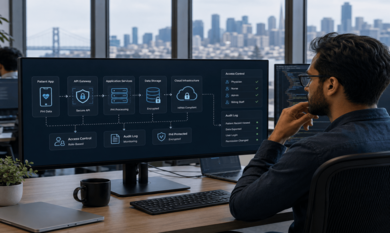
When combined, IoT and Blockchain form distributed tracking platforms that are both intelligent and secure.
The process typically works as follows:
- IoT sensors capture asset data in real time
- Data is validated and processed through middleware
- Key events are recorded on the blockchain
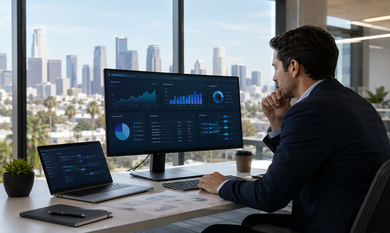
- Authorized users access trusted tracking dashboards
This architecture supports secure asset management by preventing data tampering while maintaining real-time visibility.
Realistic Scenario: Cold Chain Logistics in Action
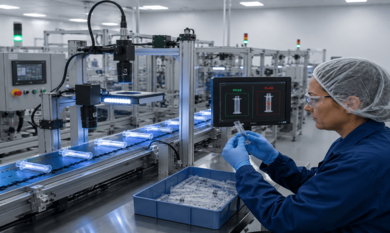
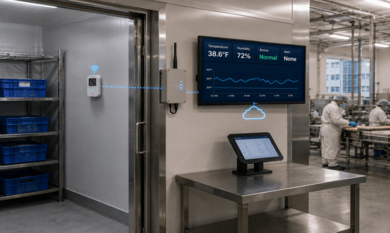
Consider a pharmaceutical distributor transporting temperature-sensitive vaccines across multiple states. IoT sensors track temperature and location throughout the journey.
If temperature thresholds are exceeded, alerts are triggered instantly. At the same time, Blockchain records the event permanently, creating a trusted compliance record.
This combination ensures digital logistics transparency, protects product integrity, and simplifies audits. Stakeholders no longer rely on manual logs or delayed reports.
Asset Monitoring Beyond Logistics
While logistics is a common use case, asset monitoring solutions powered by Blockchain and IoT extend to other industries.
Examples include:
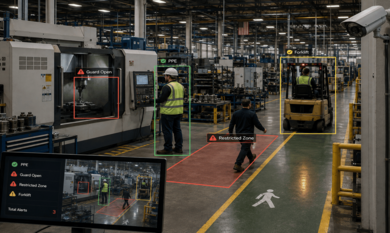
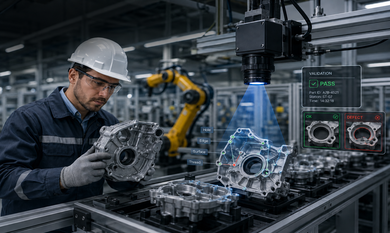
- Manufacturing equipment tracking across facilities
- Construction asset tracking on large project sites
- Energy infrastructure monitoring
- Retail inventory tracking
In each case, IoT traceability tools provide real-time data while Blockchain ensures accountability and trust across teams and partners.
Mobile Access and Cross-Platform Visibility
To make tracking systems practical, data must be accessible in real time across devices. Many organizations deploy dashboards and monitoring apps built using flutter app development services dallas to ensure consistent performance across mobile and web platforms.
This enables operations teams, managers, and partners to access asset data instantly, improving response time and coordination.
Building the Blockchain Foundation
Developing a reliable blockchain layer requires expertise in smart contracts, permissioned networks, and system integration. Organizations often collaborate with a blockchain development company in dallas to design solutions that align with performance, compliance, and scalability needs.
These implementations ensure blockchain networks handle high transaction volumes without slowing down real-time operations.
Business Impact of Blockchain and IoT Asset Tracking
Organizations adopting Blockchain and IoT for asset tracking report measurable benefits:
- Reduced asset loss and theft
- Faster issue detection and resolution
- Improved partner trust and collaboration
- Stronger regulatory compliance
- Better operational decision-making
These outcomes contribute directly to cost savings and customer satisfaction.
Addressing Scalability and Data Volume
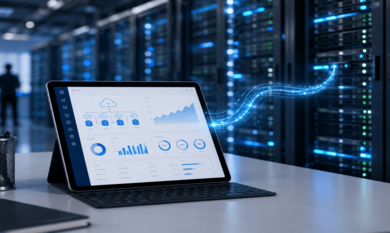
As asset volumes grow, systems must handle millions of data points daily. Modern architectures use cloud-based processing and selective blockchain recording to balance performance and cost.
This ensures scalability while maintaining the integrity of critical asset events such as handoffs, alerts, and compliance milestones.
Conclusion
The combination of Blockchain and IoT is redefining how businesses track and manage assets in real time. IoT delivers visibility, while Blockchain delivers trust. Together, they create resilient, transparent, and scalable asset tracking ecosystems.
Theta Technolabs helps organizations design and implement advanced tracking solutions using its expertise across Web, Mobile and Cloud technologies. By delivering scalable architectures and trusted integrations, Theta Technolabs enables businesses to unlock the full potential of iot application development services dallas for secure, real-time asset tracking.
Build Trusted Real-Time Asset Tracking Systems
Disconnected tracking systems create risk, delays, and inefficiencies. It is time to move toward intelligent, trusted asset visibility.
Partner with Theta Technolabs to build Blockchain and IoT-powered asset tracking solutions tailored to your business needs.
📧 Contact us at: sales@thetatechnolabs.com
Let’s create tracking systems that deliver visibility, trust, and control at every stage
FAQs
1. How does Blockchain and IoT enable real-time asset tracking in supply chains?
Blockchain and IoT work together by capturing live sensor data and storing verified asset events on a secure ledger, enabling accurate real-time asset tracking across supply chains.
2. What types of assets can be tracked using Blockchain and IoT solutions?
Businesses can track shipments, vehicles, containers, equipment, and inventory using IoT traceability tools combined with blockchain-based asset monitoring systems.
3. Is Blockchain-enabled asset tracking suitable for logistics companies in Dallas?
Yes. Blockchain-enabled logistics solutions support secure, scalable tracking for Dallas-based supply chains that require transparency and compliance.
4. How does Blockchain improve security in asset tracking platforms?
Blockchain prevents data tampering by creating immutable records, supporting secure asset management and trusted data sharing across partners.
5. How soon can businesses see benefits from Blockchain and IoT asset tracking?
Most organizations see improved visibility, reduced asset loss, and better operational control within a few months of implementation.









.png)



.png)
















.png)


















.png)


.png)



.png)