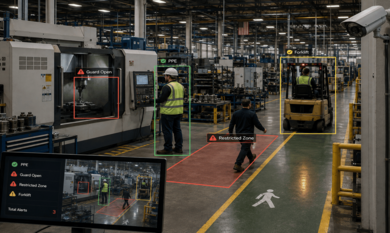
For a Chicago manufacturing factory, one missed defect can create rework, slow down assembly, reduce throughput, waste material, and delay delivery. This is where AI defect detection in manufacturing becomes more than a technology upgrade. It becomes a practical way to protect productivity, improve quality control, and help production teams catch problems before they move deeper into the manufacturing process.
Why Defects Are a Productivity Problem, Not Only a Quality Problem
Many manufacturers treat defects as a quality issue, but the real impact often reaches much further. In machine production, a small defect can disturb the entire workflow. If a part is assembled incorrectly, found late, or sent for rework after multiple steps are completed, the factory loses more than material. It loses time, labor, machine availability, and production confidence. Over time, these small quality issues can affect throughput, machine utilization, and the overall flow of production.
For manufacturers looking at AI for manufacturing productivity improvement, the goal is not only to identify defects. The goal is to reduce the chain reaction that defects create across operations.
Defects can reduce productivity through:
- Rework that slows down production flow
- Scrap that increases material cost
- Extra inspections that delay output
- Assembly errors that require repeated correction
- Missed defects that lead to returns or customer complaints
- Production bottlenecks caused by late-stage quality checks
This is why manufacturing quality inspection automation is becoming important for factories that want better consistency. When quality checks happen earlier and more accurately, teams can respond before small issues turn into expensive delays.
Why Manual Inspection Struggles in Modern Machine Production
Manual inspection still plays an important role in manufacturing. Experienced quality teams understand product standards, production behavior, and real-world exceptions better than any system alone. However, manual inspection becomes difficult when production volume increases, parts become more complex, or defects are too small to catch consistently.
In many factories, inspectors must review similar parts for long hours. This can lead to fatigue and inconsistent judgment between shifts. One inspector may catch a minor alignment issue, while another may miss it because the defect is subtle or the inspection point is rushed.
That is where AI-powered visual inspection can support quality teams. It does not need to replace human expertise. Instead, it helps teams check repetitive visual patterns with more consistency.
Common manual inspection challenges include:
- Small defects that are hard to detect visually
- High-speed production lines
- Inter-shift inspection differences and subjective quality judgments
- Limited traceability when the same defect repeats
- Missed assembly steps in multi-part production
- Slower inspection cycles during peak production
In real factory environments, inspection accuracy can also be affected by ambient lighting, shadows from overhead equipment, part positioning, and operator workload during peak production hours.
For Chicago manufacturers working with industrial machinery, these challenges can directly affect production output and delivery timelines.
How AI and Computer Vision Detect Defects Before They Slow Production
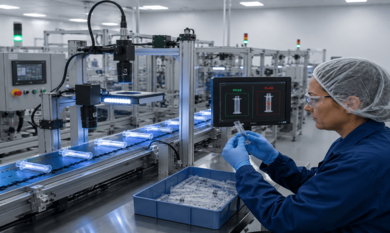
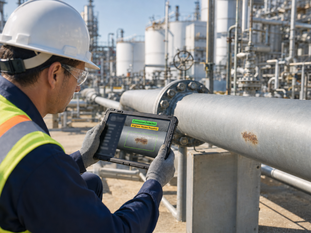
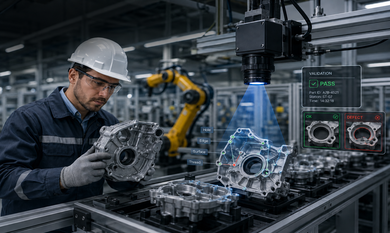
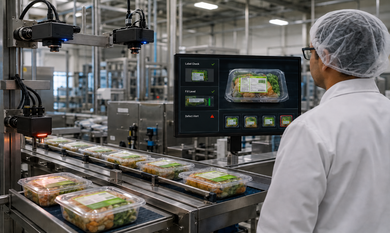
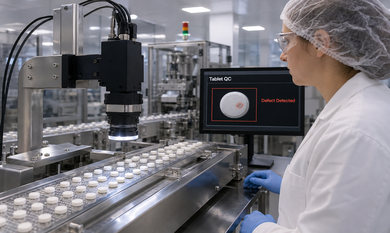
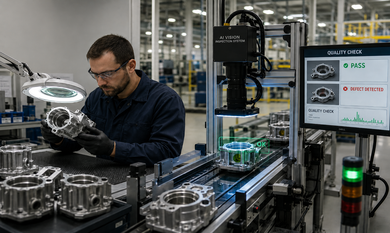
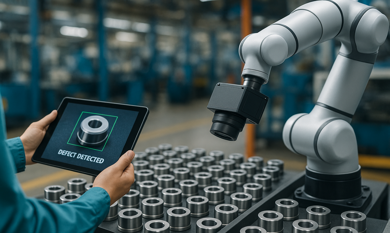
Computer vision for manufacturing quality control uses cameras, AI models, and inspection logic to identify visual issues on parts, assemblies, or finished products. The system is trained to recognize acceptable quality patterns and then flag defects, missing parts, or assembly mismatches.
Google Cloud notes that production quality and yield are important manufacturing performance metrics, and visual inspection AI can support quality control by helping teams inspect products faster and more consistently.
A typical computer vision defect detection workflow works like this:
- A camera captures the product, part, or assembly image.
- The AI model analyzes the image based on trained quality standards.
- The system compares the current part with the expected visual pattern.
- Defects, missing components, or mismatches are flagged.
- Operators receive alerts or pass/fail status.
- Inspection data is stored for reporting and future improvement.
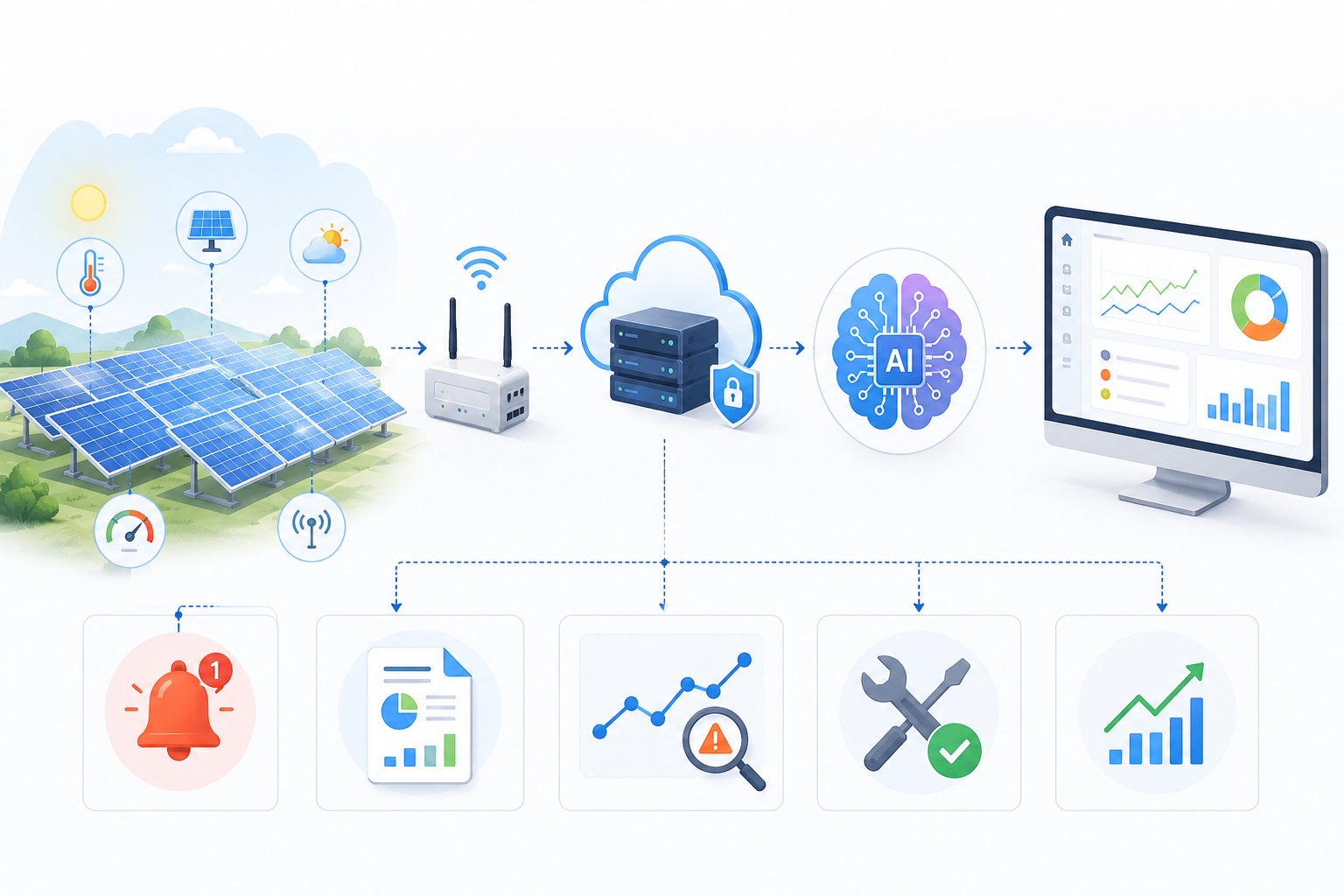
The diagram below shows how this process works from image capture to inspection data storage in a manufacturing quality control workflow.
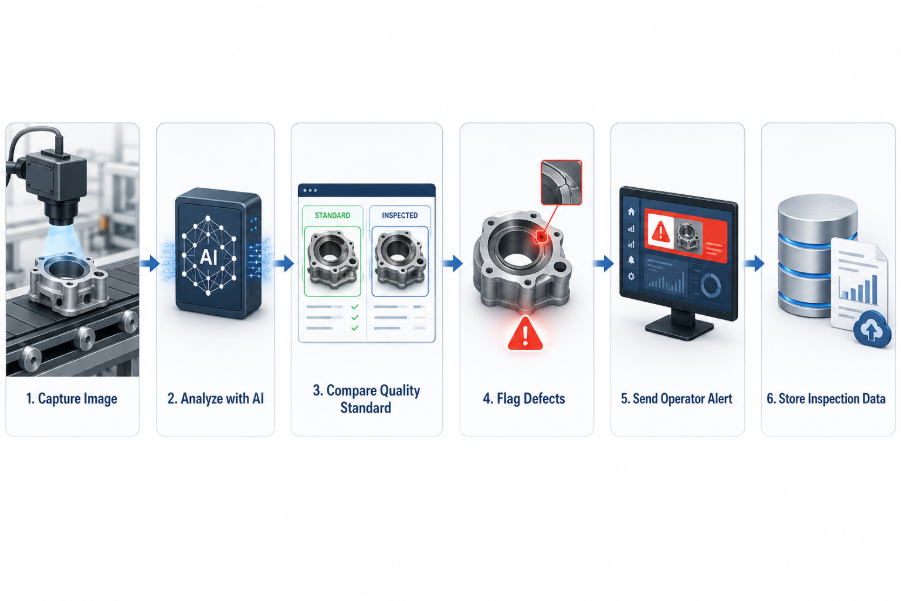
Figure: AI defect detection workflow from image capture to inspection data storage
For manufacturers that need custom inspection systems, computer vision development services can help build models for specific production lines, component types, and quality standards.
The key benefit is early detection. Instead of discovering defects after several production steps, teams can catch issues closer to the source.
What Types of Defects Can AI Catch in Industrial Machinery Production?
An automated defect detection system can be designed to identify different types of production issues, depending on the camera setup, image quality, training data, and inspection rules. In industrial machinery production, the use cases often go beyond simple surface inspection.
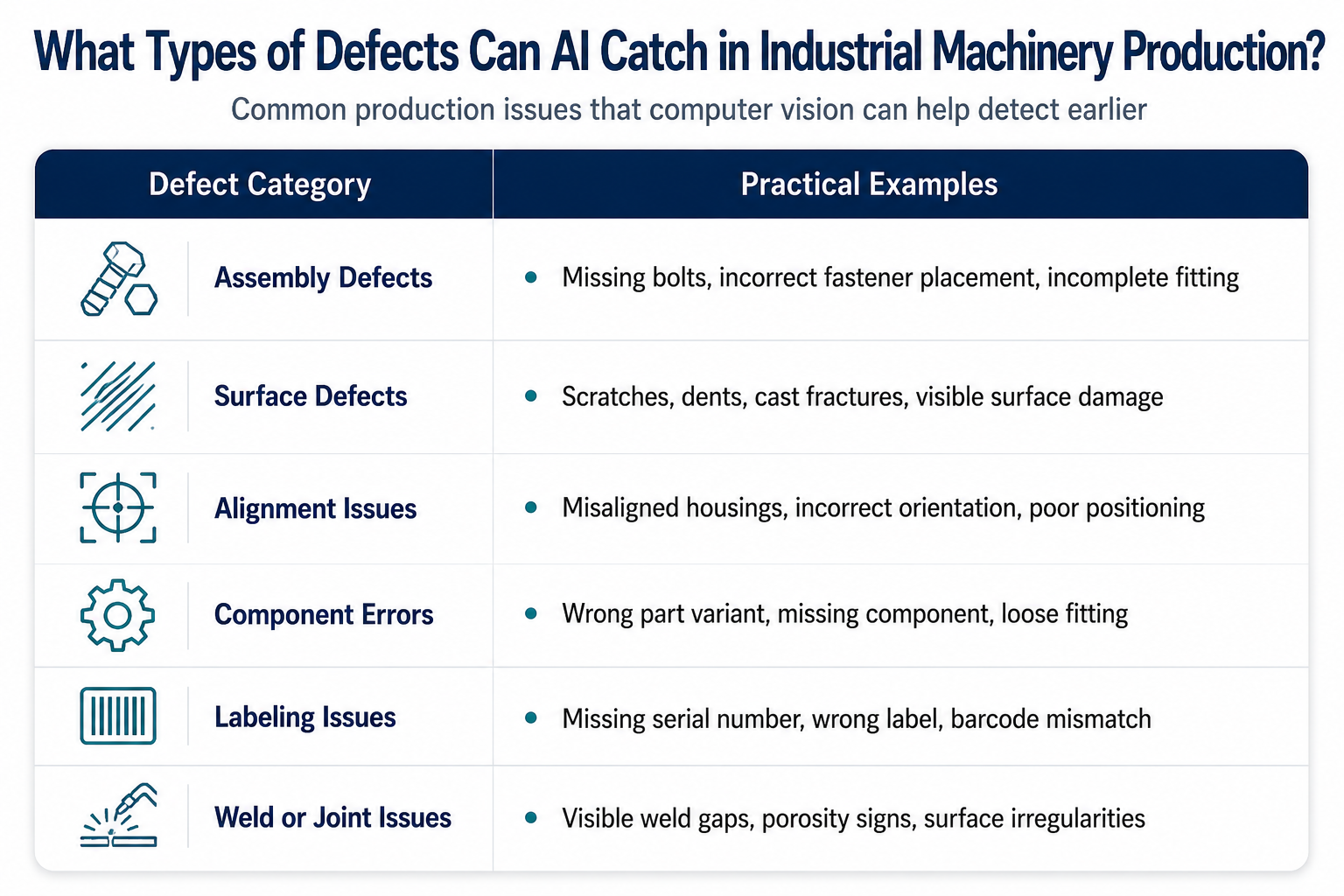
AI should not be presented as a magic solution that catches every issue automatically. Its accuracy depends on camera placement, image quality, lighting conditions, defect examples, model training, and how clearly the factory defines pass and fail standards.
When implemented correctly, AI defect detection in manufacturing can support faster decision-making and reduce dependency on repeated manual checks.
Assembly Verification Using AI: A Key Use Case for Chicago Manufacturers
Assembly verification using AI is one of the most valuable use cases for machine production companies. It helps confirm whether the right part is placed in the right position before the product moves to the next stage.
For example, a machine component may look complete at first glance, but one missing screw, loose fitting, wrong orientation, or incorrect part variant can create a downstream issue. If the mistake is caught at the final inspection stage, the cost of correction is often higher.
For companies exploring AI solutions for Chicago manufacturers, assembly verification can be used at key checkpoints such as:
- Multi-part machine assembly
- Component placement checks
- Final quality gates
- Pre-dispatch inspection
- Rework validation
- Production line checkpoints
This is especially useful when products require repeatable assembly steps. AI can help verify whether each required component is present, properly aligned, and visually consistent with the approved standard.
Still, human quality teams remain important. AI can flag issues, but quality engineers should define inspection rules, review edge cases, and improve the process over time.
Edge AI, Cloud Dashboards, and Factory System Integration
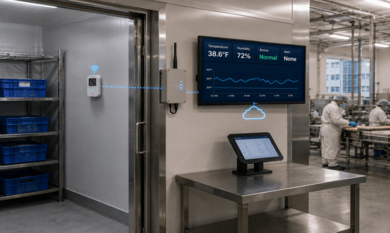
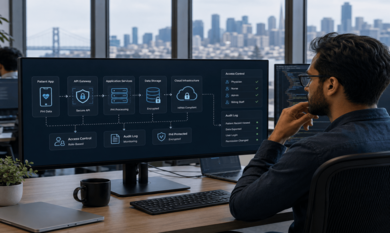
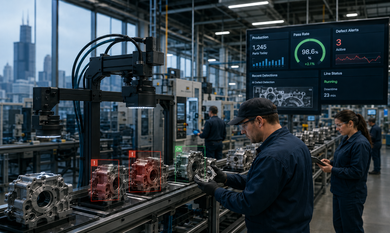
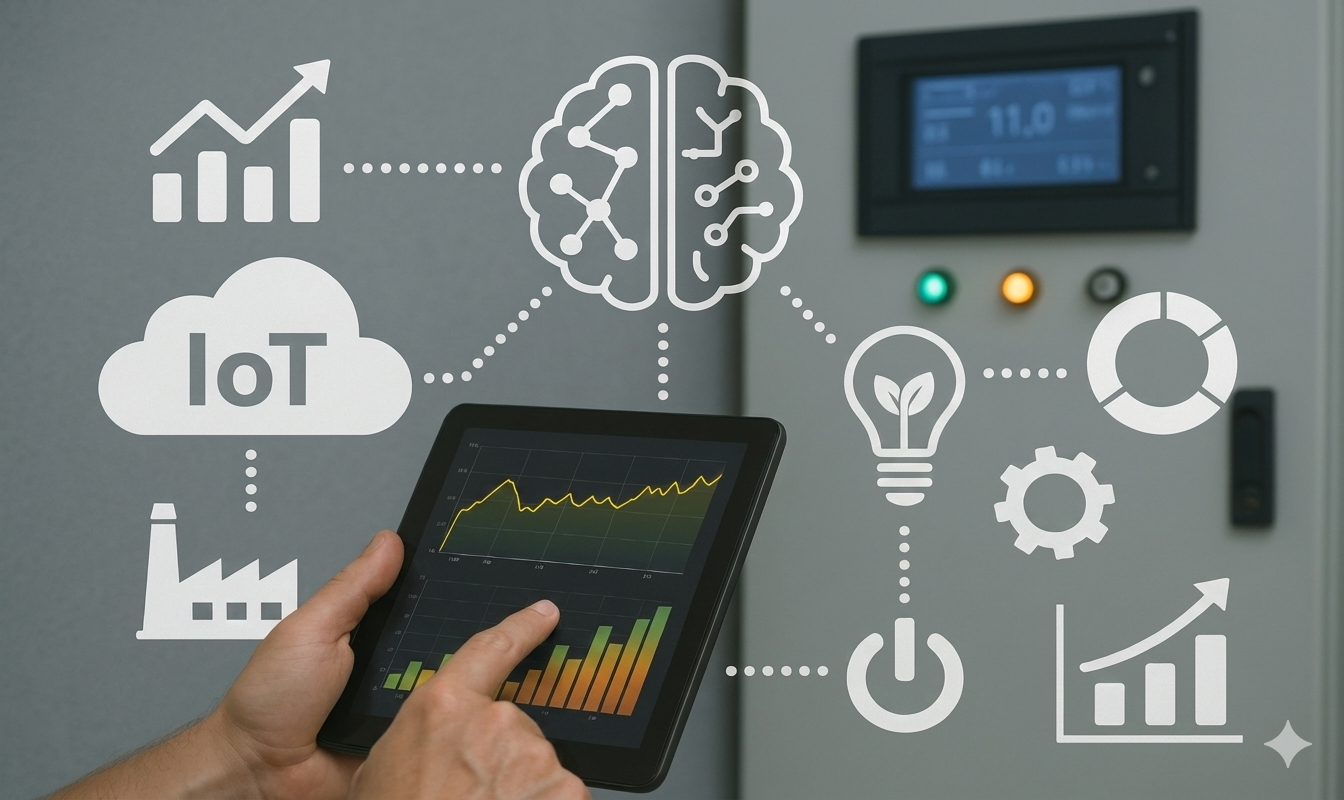
AI defect detection is not only about installing cameras. A complete solution may include edge devices, AI models, dashboards, alerts, and integration with existing production systems. For high-speed inspection points, edge deployment can help process images near the production line so alerts reach operators without depending fully on cloud response time.
In many factories, real-time inspection requires fast local decisions. Edge AI can process images near the production line, which helps reduce delay when the system needs to send an immediate pass or fail signal. Cloud dashboards, on the other hand, are useful for reporting, quality trends, and management visibility.
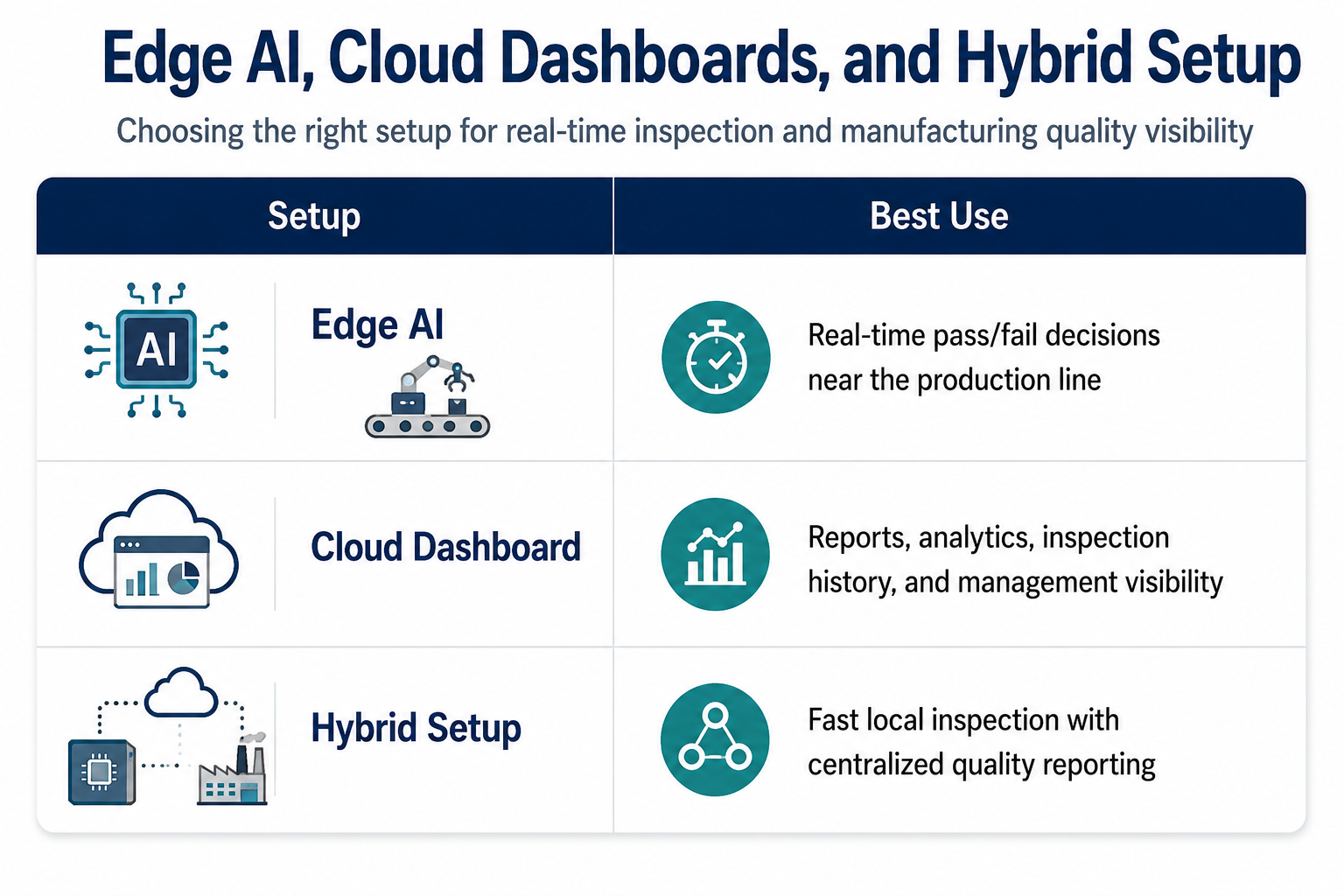
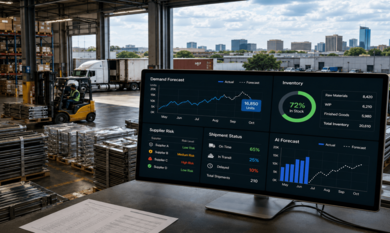
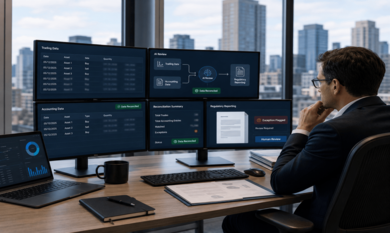
This is where manufacturing software development becomes important. AI inspection data should be useful beyond one machine or one inspection point. It can support quality reports, production dashboards, ERP or MES integration, and long-term process improvement.
The right setup depends on production speed, privacy needs, factory infrastructure, available data, and business goals.
Where Factories Can Reduce Production Costs
The ROI of AI inspection depends on many factors, including production volume, defect rate, rework cost, scrap value, inspection time, and integration complexity. It would be wrong to claim that every factory will get the same savings. However, manufacturers can measure ROI through practical business outcomes. A simple way to evaluate ROI is to compare the current cost of rework, scrap, inspection time, and late-stage defects against the cost of implementing and maintaining the AI inspection system.
For manufacturers, AI can improve productivity by reducing rework, scrap, repeated inspections, and late-stage quality delays:
- Reduced rework
- Lower scrap and material waste
- Faster inspection cycles
- Fewer quality escapes
- Better traceability
- Lower risk of warranty issues
- Improved throughput
- Better use of quality team time
When computer vision for manufacturing quality control is implemented at the right inspection point, it can help teams catch errors earlier. That can reduce the amount of work already completed on a defective product.
A good starting point is to measure the current cost of defects. Manufacturers should review how often defects occur, where they are found, how much rework they create, and how many labor hours are spent on repeated inspection.
Is Your Factory Ready for AI Defect Detection?
Before starting an AI project, manufacturers should check whether the factory has a clear use case. AI works best when the problem is specific, measurable, and connected to business impact.
Your factory may be ready for AI defect detection in manufacturing if you can answer yes to some of these questions:
- Are defects being found too late in the production process?
- Are manual checks slowing down production?
- Do you see repeated assembly errors?
- Can cameras be placed at important inspection points?
- Do you have sample images of good and defective parts?
- Do operators need real-time alerts?
- Do managers need better quality dashboards?
- Should inspection data connect with ERP, MES, or quality workflows?
- Are rework and scrap affecting productivity?
For companies exploring AI solutions for Chicago manufacturers, the best approach is often to start with one high-impact inspection point. A pilot project can help test accuracy, workflow fit, operator response, and ROI before scaling across more production lines.
Why Choose Theta Technolabs
Theta Technolabs helps businesses build custom software solutions across AI, web, mobile, and cloud. For manufacturing companies, this can include AI model development, computer vision workflows, quality dashboards, mobile alerts, cloud integration, and system connectivity.
Through AI development services, manufacturers can explore defect detection, assembly verification, visual inspection, and production intelligence.
This can help manufacturing teams with:
- Custom AI model development
- Computer vision defect detection
- Assembly verification workflows
- Web dashboards for quality managers
- Mobile alerts for production teams
- Cloud-based reporting systems
- Integration with existing factory workflows
The focus should always be on solving a real production problem. A good AI solution should fit the factory process, not force the factory to change everything for the technology.
Conclusion
Defects are not only quality issues. For Chicago manufacturing factories, they can become productivity problems that affect rework, scrap, delivery timelines, inspection speed, and customer trust. AI defect detection in manufacturing gives teams a practical way to identify visual issues earlier, support assembly verification, and improve production visibility.
The right solution depends on product type, inspection points, available image data, factory workflow, and business goals. For companies looking at AI solutions for Chicago manufacturers, AI and computer vision can be a strong step toward smarter, more consistent manufacturing operations.
Explore AI Solutions for Your Factory
If your Chicago manufacturing factory is losing time, material, and output because defects are caught too late, Theta Technolabs can help you explore custom AI and computer vision solutions. Our team supports AI model development, web dashboards, mobile applications, and cloud-based systems for smarter manufacturing operations.
Contact us at sales@thetatechnolabs.com to discuss your project.
Frequently Asked Questions
1. Can AI detect defects better than manual inspection in manufacturing?
AI can improve consistency and speed for repetitive visual checks. It is useful for detecting patterns such as missing parts, surface defects, and alignment issues. However, human quality teams are still important for final review, exception handling, and process decisions.
2. What types of manufacturing defects can computer vision detect?
Computer vision can help detect missing parts, wrong placement, scratches, dents, cracks, misalignment, incorrect orientation, incomplete assembly, wrong labels, and barcode mismatches. The exact detection capability depends on image quality, lighting, training data, and inspection requirements.
3. Is AI defect detection useful for Chicago manufacturing factories?
Yes, it can be useful for Chicago factories dealing with machine production, industrial parts, assembly-heavy workflows, repeated rework, and quality inspection delays. It helps teams identify defects earlier and reduce the production impact of late-stage quality issues.
4. Does AI defect detection need a full factory system replacement?
No. Many manufacturers can start with one inspection point and expand later. A system can begin with camera-based inspection and then connect with dashboards, ERP, MES, or quality management systems based on operational needs.
5. How should a manufacturer start with AI-powered visual inspection?
Start by selecting one high-impact defect problem. Then collect sample images, review camera placement, define pass and fail criteria, build a pilot model, and test it with real production data before scaling across more inspection points.










.png)



.png)



















.png)





















.png)


.png)



.png)