.png)


Building a remote patient monitoring app rarely comes with a single price tag, and any partner who quotes you one before understanding your scope is guessing. The remote patient monitoring app development cost in the United States can range from a focused minimum viable product to a full enterprise platform, and the gap between those two ends is wide. If you are a healthcare founder, a product leader, or a clinic operator pricing a build before committing a budget, the number itself is only half the answer. What matters more is what shapes it. This guide breaks down what you actually pay for when you build an RPM app, where budgets tend to break, and how to make a decision you can defend to an investor or a board.
How Much Does It Cost to Build a Remote Patient Monitoring App
There is no honest way to answer how much does it cost to build a remote patient monitoring app without first asking what it needs to do. A simple app that displays readings from one device sits at one end of the scale. A platform that pulls in multiple connected devices, runs analytics, and ties into hospital systems sits at the other. The spread is driven by feature depth, compliance requirements, and how many systems your app has to talk to.
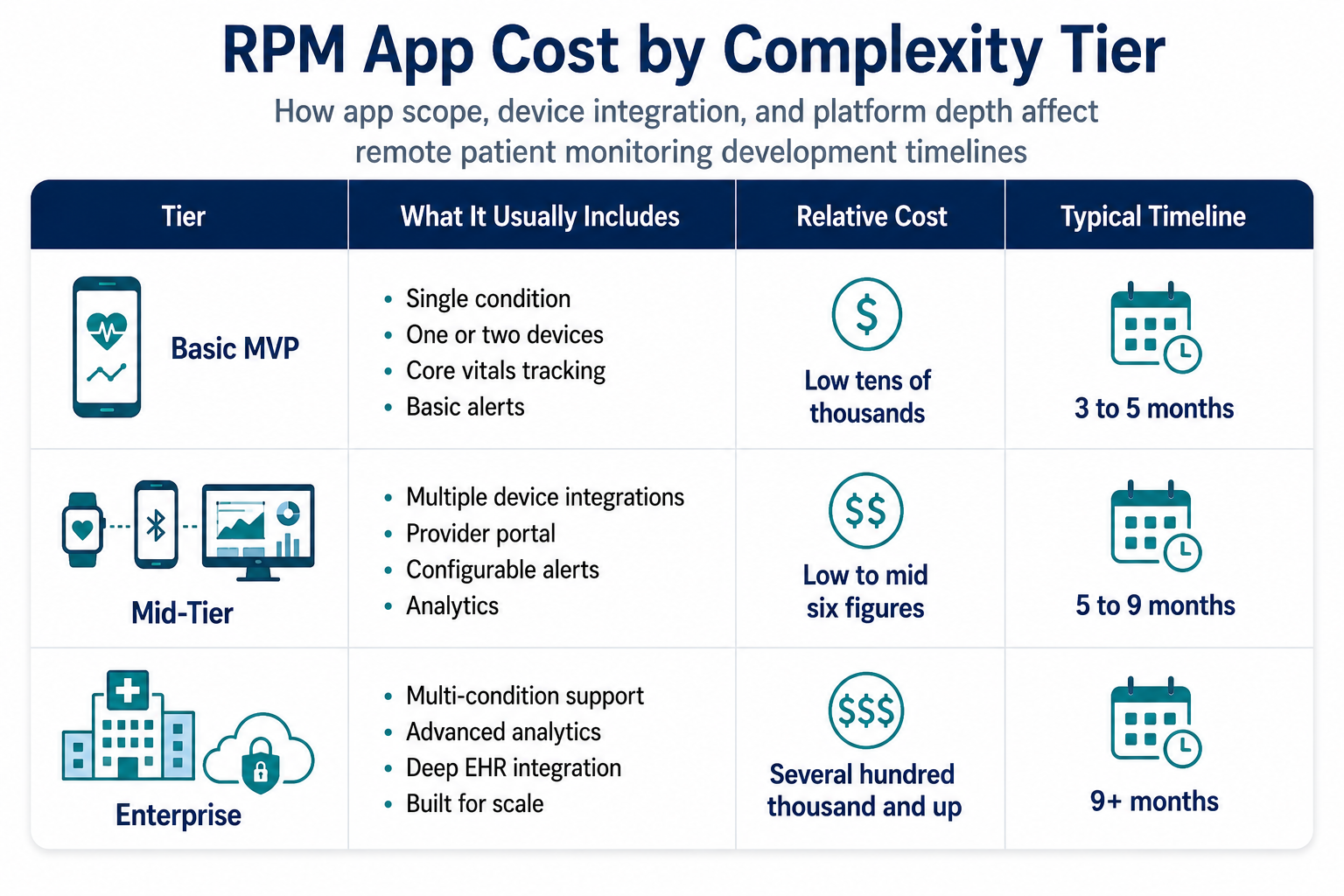
Rather than fixate on a single figure, it helps to think in tiers of scale. The table below describes what each tier usually involves. Treat the cost column as relative scale, not a quote, since your actual figure depends on scope and the partner you choose.
RPM App Cost by Complexity Tier
What Drives the Cost of a Remote Patient Monitoring App
Quotes vary so much because a few decisions move the budget far more than the rest. Once you know what they are, you can plan around them.
App Scope and Features
The clearest cost lever is what your app does. A patient-facing app that tracks vitals and sends reminders is one piece. A clinician-facing provider portal with dashboards, alert management, and reporting is another, and it often costs as much as the patient app on its own. The richer your set of patient monitoring app features, the more design, development, and testing each one demands. A tight, well-defined feature list early on keeps your overall healthcare app development cost far more predictable.
Platform Choice
Whether you build for iOS, Android, or both changes your number meaningfully. Supporting a single platform is cheaper but limits your reach. Cross-platform frameworks can reduce build cost by sharing code across both, though they sometimes complicate the reliable device connectivity that medical monitoring depends on. The right call depends on who your patients are and which devices they use. If you are weighing this trade-off, it helps to talk it through with an experienced mobile app development team before you lock the architecture.
Device and Wearable Integration
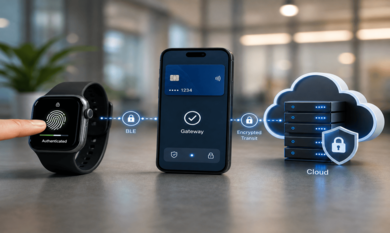
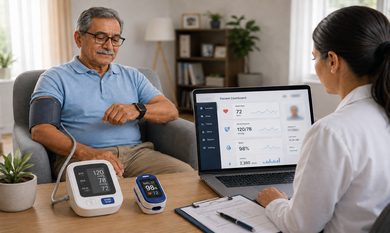
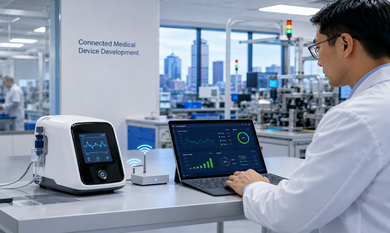
This is the cost most teams underestimate. Connecting blood pressure cuffs, glucometers, pulse oximeters, and wearables is not the same as wiring up a standard API. Each device type can carry its own integration work, and some manufacturer APIs come with licensing or usage fees. Your medical device integration cost climbs with every additional device family you support, which is another reason to start narrow.
Data, Cloud, and Real-Time Infrastructure
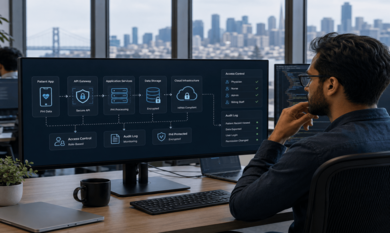
Handling a steady stream of patient vitals at scale is an architectural problem, not just a storage one. Real-time data, secure transmission, and reliable uptime all shape your infrastructure spend, and these costs grow as your patient numbers grow. Building this foundation properly from the start is cheaper than re-engineering it later.
Compliance and Regulatory Costs in the US
In the United States, compliance is not an optional line item. Any RPM app that handles protected health information for a healthcare provider or covered entity must meet HIPAA requirements, which means encryption, access controls, audit trails, and secure data handling built in from day one. These safeguards add to your build, and the cost to develop a HIPAA compliant RPM app reflects work that protects both patients and your organization from far more expensive failures later.
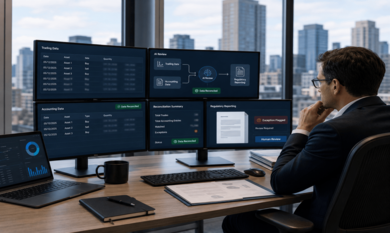
The factor that most affects regulatory cost is whether your app qualifies as a medical device. This is where many teams get the framing wrong. An app that simply displays data from a cleared device is treated very differently from one that analyzes patient data to detect deterioration, generate new alarms, or recommend a clinical action. The FDA applies a risk-based approach, and it exercises enforcement discretion only for specific, lower-risk software functions rather than offering any blanket exemption. The agency's own guidance on device software functions and enforcement discretion lays out where that line sits.
In plain terms, classifying the product correctly and meeting compliance rules is your responsibility as the manufacturer or healthcare provider, not your development partner's. A development partner can build to meet recognized standards, but the duty to classify the product correctly and secure any required clearance stays with you. Getting professional regulatory advice early can save significant cost and rework.
Build vs Buy: Custom RPM App or Off-the-Shelf Platform
Before pricing a build, it is worth deciding whether you should build at all. Custom remote patient monitoring app development makes sense when you have specific clinical workflows, plan to scale, want to own your platform, or need to differentiate from competitors. An off-the-shelf or platform-based product can be the smarter path when you need to launch fast, run a pilot, or test the model with limited upfront budget.
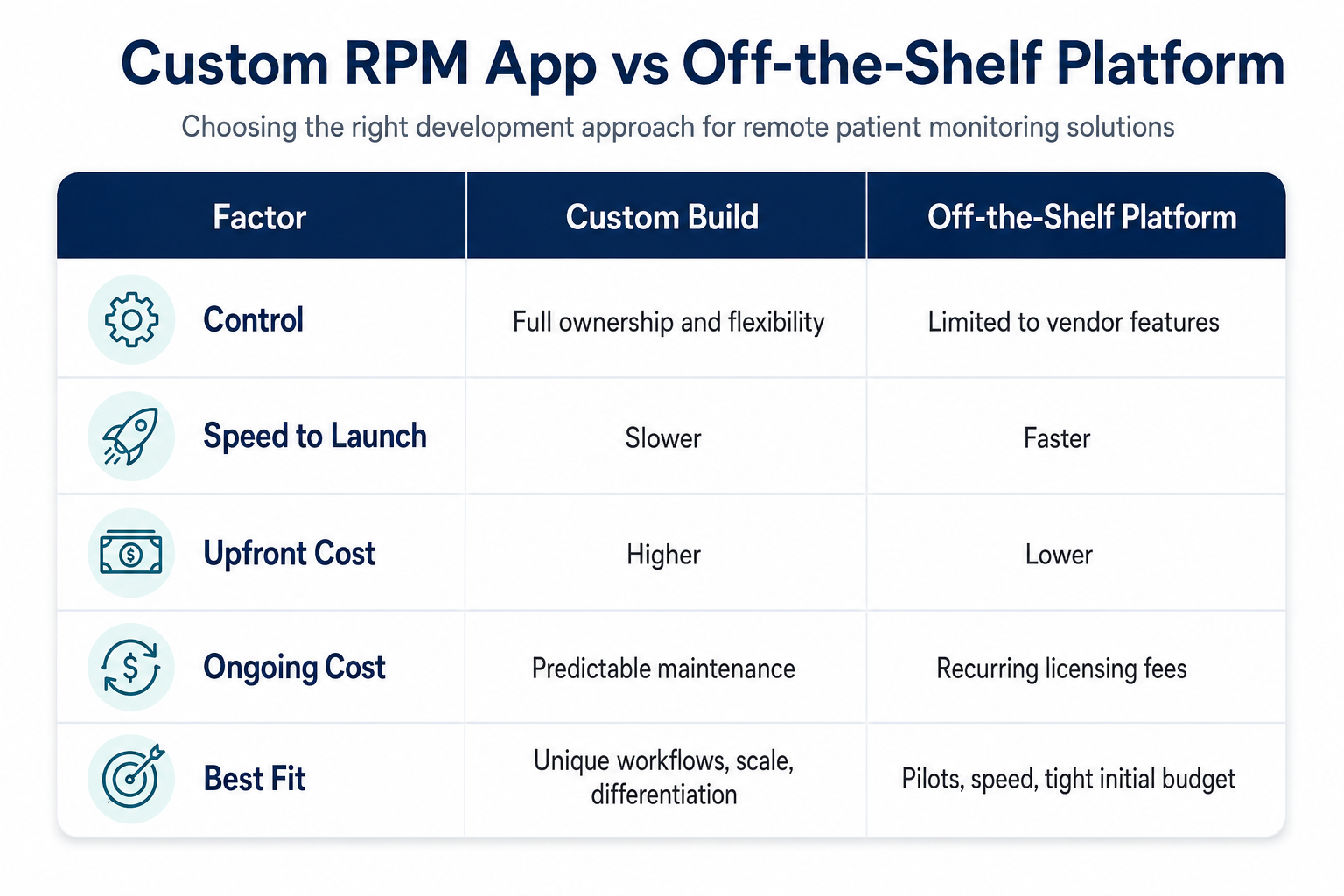
The trade-off worth weighing carefully is the recurring fee. A platform feels cheaper at the start, but per-patient or subscription costs can add up as you scale, while a custom build front-loads the investment in exchange for lower long-term cost and full control. Map the decision to your growth plan, not just your starting budget.
The Costs That Come After Launch
The budget that breaks projects is usually the one teams forget: everything after launch. Your RPM app development cost does not end when the app ships. Plan for these recurring expenses:
- Maintenance and updates. Operating systems change, devices change, and your app needs ongoing work to stay reliable.
- Cloud and scaling. Costs rise with patient volume and data load as your program grows.
- Security and compliance upkeep. Regular audits, monitoring, and updates keep your app aligned with evolving requirements.
- Device integration upkeep. Each connected device family needs maintenance as manufacturers update their hardware and APIs.
Budget for these as part of the total cost of ownership from the start. The programs that stall are usually the ones that treated them as a surprise. The same discipline applies to building reliable connected care platforms that keep delivering value long after the initial launch.
Turning RPM Cost Into ROI
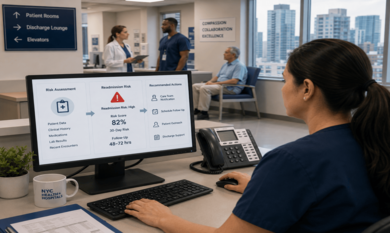
The cost question reads differently once you treat the build as an investment. In the US, remote monitoring programs can qualify for reimbursement, and the per-patient economics can offset the build over time, though the specifics depend on current CMS guidance and how your program is structured. Beyond reimbursement, well-run RPM programs can reduce avoidable hospital readmissions and support better chronic-care management, which carries its own financial and clinical value. None of these outcomes are guaranteed, and the results vary by program, but weighing the spend against the return it can generate makes a far stronger business case than looking at the build cost alone.
How to Budget Your RPM App Build
If you are planning remote patient monitoring app development in the USA and ready to move forward, a disciplined approach keeps your spend under control and your first version achievable. A sensible sequence looks like this:
- Start with an MVP. Solve one clear problem well before expanding.
- Pick one patient condition. Narrow scope keeps cost and complexity manageable.
- Choose one or two devices. Add more integrations once the core works.
- Phase your EHR integration. Begin read-only, then expand as you grow.
- Choose a partner with healthcare experience. Domain knowledge prevents costly wrong assumptions.
That last point matters most. The right partner brings more than engineering. They understand compliance, device integration, and how clinical workflows actually run. If you are evaluating options, look for an experienced healthcare app development company in the USA with real healthcare software development credentials rather than general app builders. Theta Technolabs brings practical experience in building healthcare-focused digital solutions that align with business, technical, and compliance needs. To talk through your scope and get a realistic estimate of your remote patient monitoring app development cost, reach out to our team at sales@thetatechnolabs.com.
Frequently Asked Questions
1. How much does it cost to build a remote patient monitoring app in the USA?
It depends heavily on scope. A basic MVP usually sits in the low tens of thousands, a mid-tier platform in the low-to-mid six figures, and a full enterprise system higher still. Features, device integrations, and compliance scope are the main drivers.
2. Does a remote patient monitoring app need FDA clearance?
Not always. An app that only displays data from a cleared device is treated differently from one that analyzes data or drives clinical decisions. Clearance depends on intended use, and classifying the product correctly is the developer's responsibility.
3. How long does it take to build an RPM app?
A basic MVP can take roughly three to five months. A mid-tier platform usually takes five to nine months, and a complex enterprise system with deep integrations often takes longer. Starting with a focused MVP gets you to market faster.
4. What ongoing costs come after launching an RPM app?
Expect recurring costs for maintenance and updates, cloud and scaling, security and compliance upkeep, and ongoing device integration support. These total cost of ownership items are easy to overlook but essential to budget for from the start.
5. Is it cheaper to build a custom RPM app or buy a platform?
A platform is usually cheaper upfront but carries recurring licensing fees that grow with scale. A custom build costs more initially but offers full control and lower long-term costs. The right choice depends on your growth plans and timeline.









.png)



.png)




















.png)





















.png)