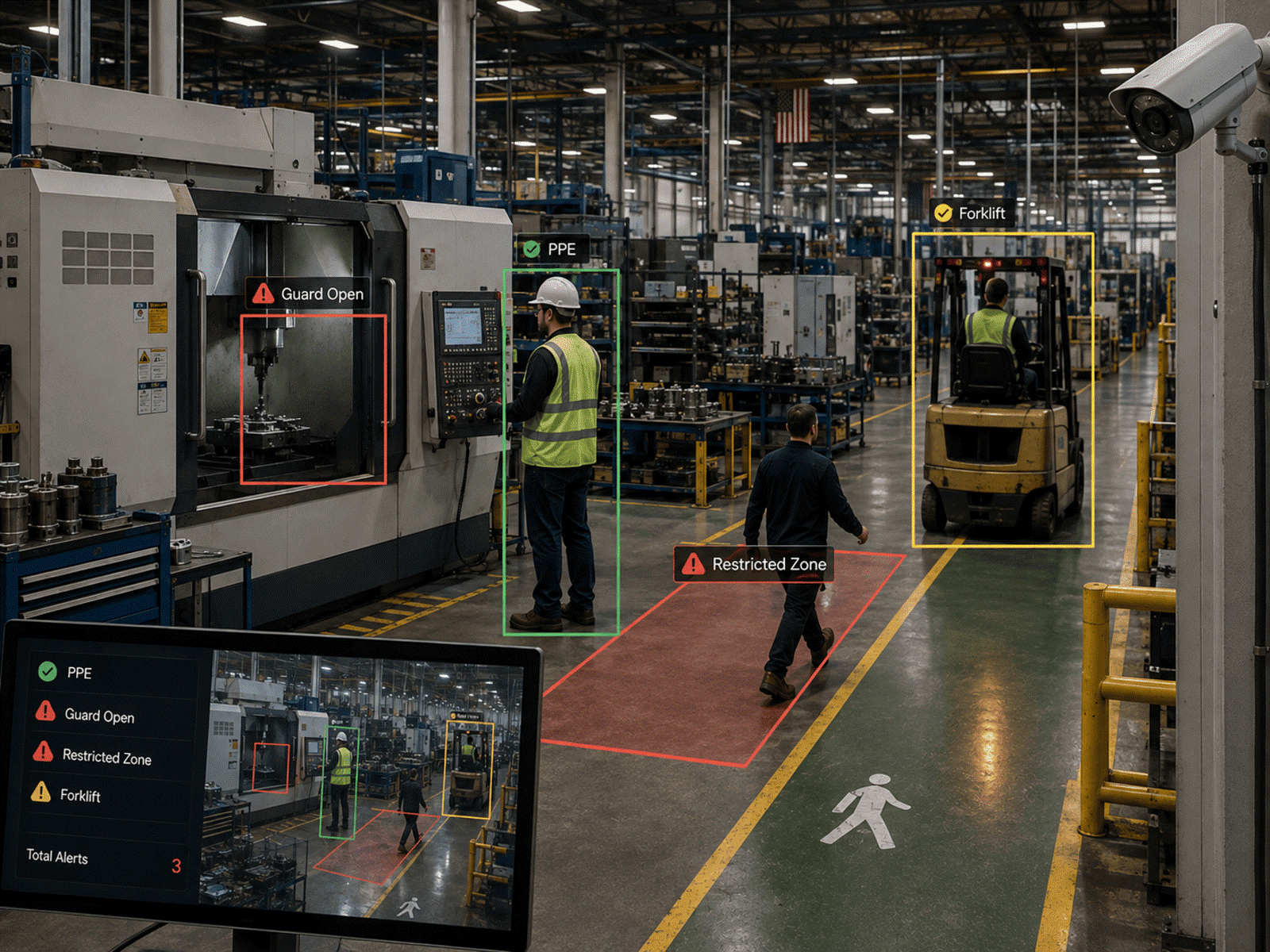


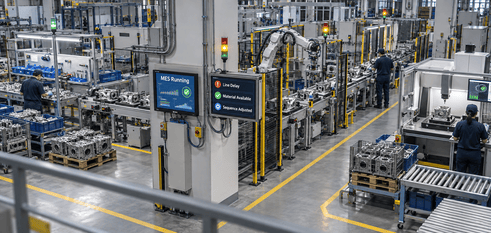
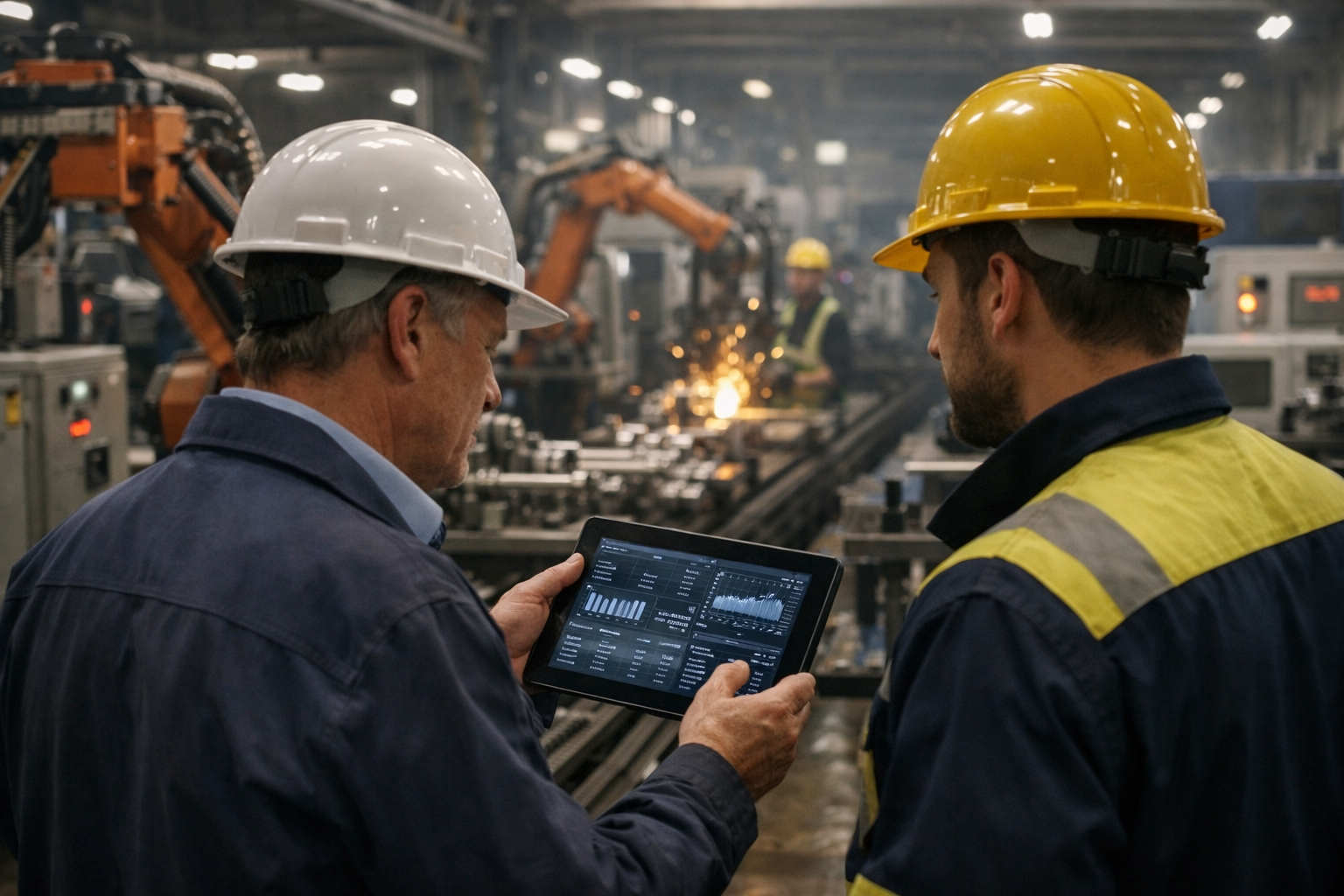
Most manufacturing plants still catch safety problems the same way they did twenty years ago, a supervisor walks the floor a few times a shift, checks the obvious spots, and hopes nothing slips through in between. The problem isn't that people aren't paying attention. It's that one person can't watch every station, every machine, and every worker at the same time, especially on a busy shift with output targets to hit. That's the gap computer vision manufacturing safety is built to close. Cameras that are usually already installed for security purposes get paired with trained detection models that watch the floor continuously and flag specific risks the moment they happen, not hours later during a walkthrough. In this blog, we'll walk through five concrete safety risks this kind of system can catch on a factory floor, what rollout actually looks like once you commit to it, and where Chicago's manufacturing base fits into the picture.
The Real Problem Behind Most Factory Injuries
The core issue in industrial safety isn't a lack of rules, it's inconsistent enforcement of the rules that already exist. A worker skips safety glasses for ten minutes because their hands are full. A machine guard gets propped open during a quick adjustment and doesn't get closed properly before the line restarts. A forklift cuts through a marked walkway because it's faster than going the long way around. None of these are dramatic events by themselves. But they're exactly the kind of small moment that turns into a recordable injury once the timing lines up wrong, and periodic audits are structurally bad at catching them, because they only capture whatever happens to be going on the moment the inspector walks by.
Illinois manufacturing data backs this up. According to the Bureau of Labor Statistics, Illinois manufacturing recorded a total recordable case rate of 2.7 per 100 workers in 2024, down from 3.1 in 2023, but still one of the higher rates among Illinois industries, and manufacturing was one of three sectors that together accounted for three-quarters of all occupational injuries and illnesses reported statewide that year. That's not a small-sample fluke, it reflects how much of Illinois's industrial base is concentrated in exactly the kind of hands-on, physical work where PPE gaps and machine guarding lapses do the most damage. Chicago sits at the center of that base, with a dense mix of metal fabrication, food processing, and machinery plants running multiple shifts a day. Tighter labor markets mean fewer spare hands available purely for floor supervision, and both insurers and OSHA inspectors are paying closer attention to how consistently a plant enforces its own rules, not just whether those rules exist on paper somewhere. That's the backdrop pushing more Chicago-area manufacturers to look at AI development in Chicago built specifically around continuous, camera-based safety monitoring instead of stretching supervisors even thinner.
How Computer Vision Actually Works on the Floor
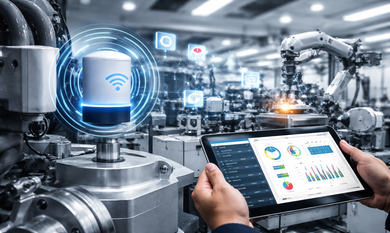
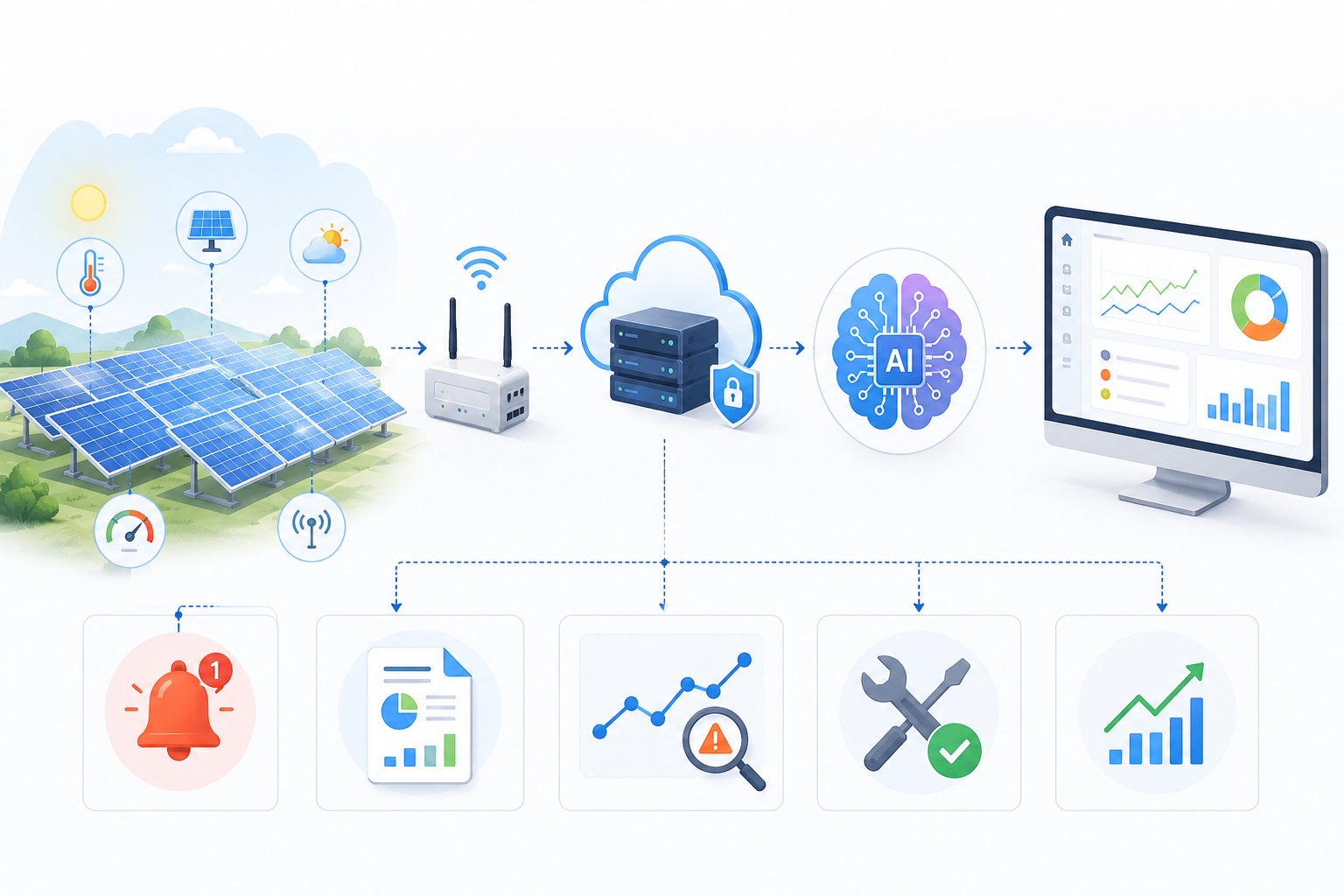
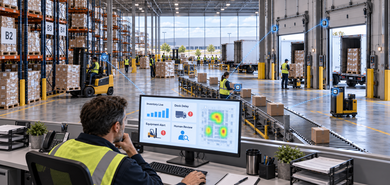
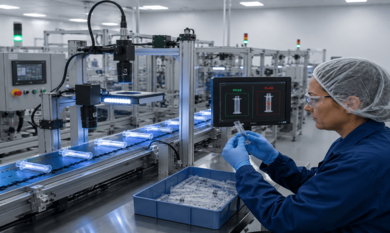
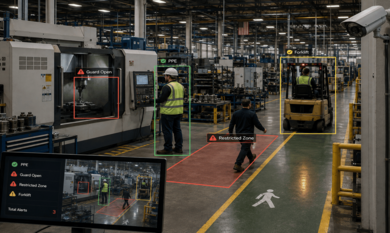
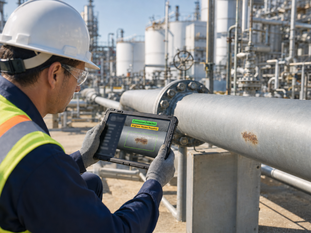
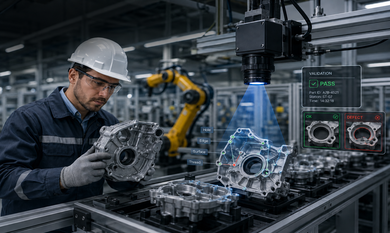
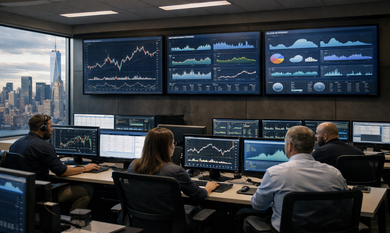
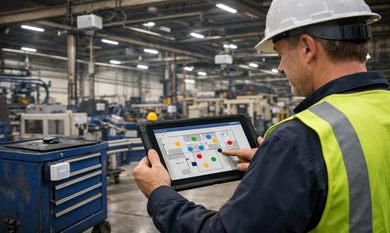
The mechanics here are less complicated than the term makes them sound. Most deployments start with the IP cameras a plant already has installed for security or process monitoring, new hardware usually isn't required to get going. A trained detection model runs against that live video feed, watching for specific things it's been taught to recognize: a hard hat, a closed machine guard, a worker standing inside a zone they shouldn't be in. When the model spots a violation, it sends an alert to a supervisor's phone or a floor dashboard in real time, along with a timestamped clip so someone can confirm what actually happened before acting on it. It isn't replacing the camera system already in place, it's giving that footage a job to do around the clock instead of sitting there unreviewed until someone needs it after the fact.
5 Safety Risks Computer Vision Can Catch
1. Missing or Incorrect PPE
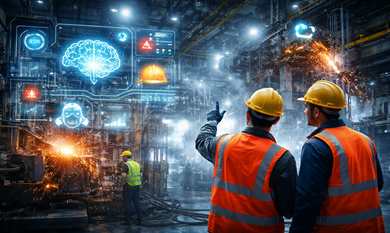
This is the most common gap, and the easiest one for a model to catch consistently. On a fast-moving line, a worker might swap gloves, skip eye protection for a few minutes, or wear a hard hat pushed back and not properly secured. A supervisor doing rounds might miss all of it if they happen to be on the other end of the floor at the time. PPE compliance monitoring through computer vision doesn't get tired or distracted, it checks every worker in frame, every few seconds, for the entire shift, and flags the exact moment protective gear comes off or was never put on to begin with.
2. Machine Guarding Violations
Guards get propped open for a "quick" adjustment and don't always get closed again before the machine restarts. This isn't a rare or isolated habit, machine guarding has consistently ranked among the standards OSHA cites most often across manufacturing inspections, which points to a pattern rather than a one-off lapse. This is where computer vision development services do the heaviest technical lifting, since the model has to tell the difference between a guard that's genuinely open for scheduled maintenance and one left open during active operation, and alert only in the second case. Getting that distinction right is what separates a system people actually trust from one that gets tuned out after too many false alarms.
3. Restricted Zone Intrusions
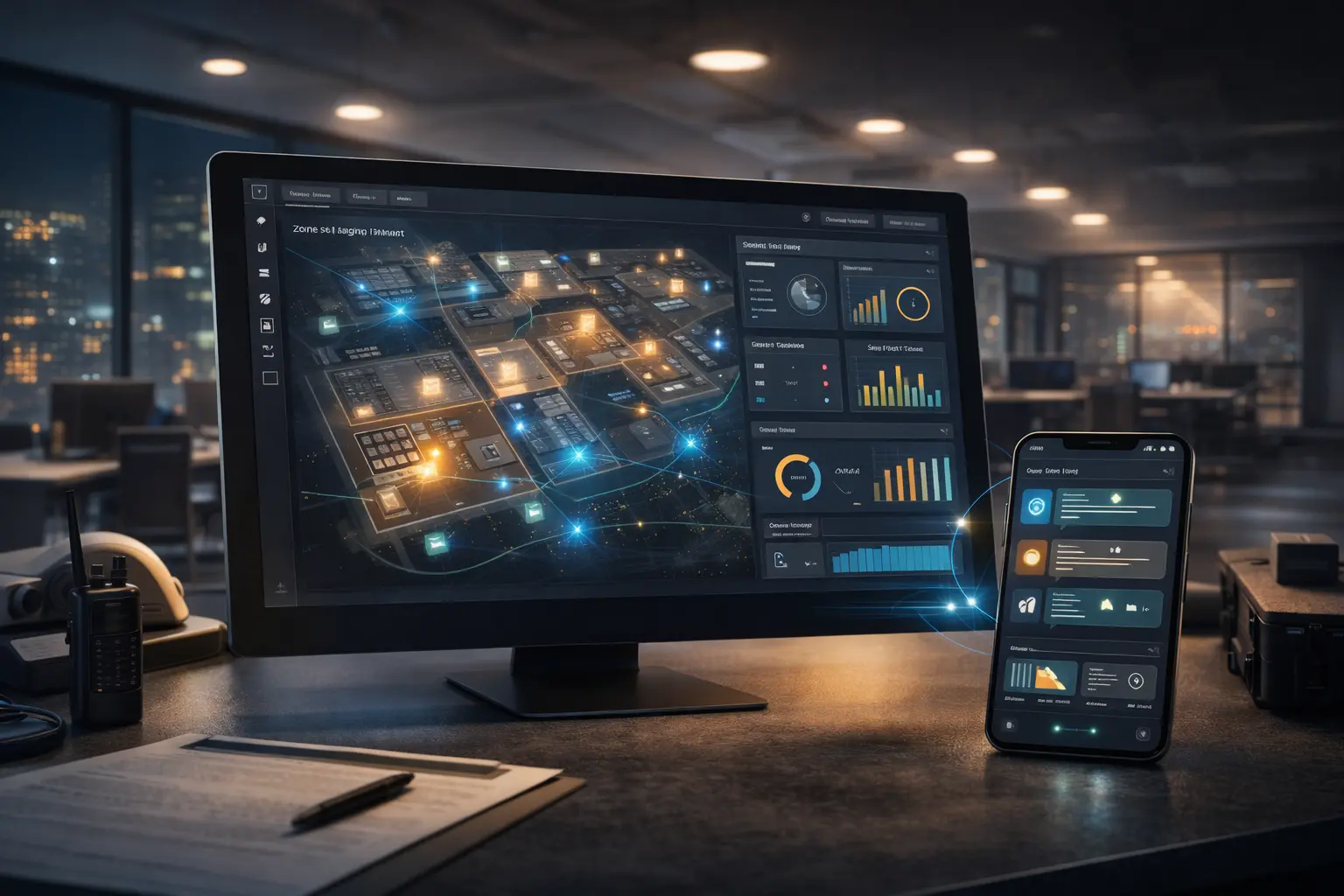
Robotic work cells, loading dock paths, and active forklift lanes all carry real risk when someone walks into them without the equipment noticing, or without proper clearance first. Painted floor lines and posted signage depend entirely on people remembering to check before stepping in. A zone-based detection setup tracks who and what enters a defined area in real time and can trigger an immediate alert, in some setups, even pause equipment, before proximity turns into contact. This kind of real-time hazard detection matters most in exactly the high-traffic intersections where floor layout and shift pace make it easiest to cut a corner without thinking twice about it.
4. Near Misses That Never Get Reported
Here's the uncomfortable part about near-miss reporting: most of it simply doesn't happen. A worker has a close call, isn't hurt, and doesn't report it because logging it feels like paperwork for something that "didn't actually happen." Weeks or months later, the same interaction produces an injury that could have been prevented if the pattern had been flagged earlier. Near-miss detection AI takes the reporting step out of the equation entirely, the system logs the event whether or not a human decides it's worth mentioning, which means safety teams finally see the full picture instead of only the fraction workers chose to report.
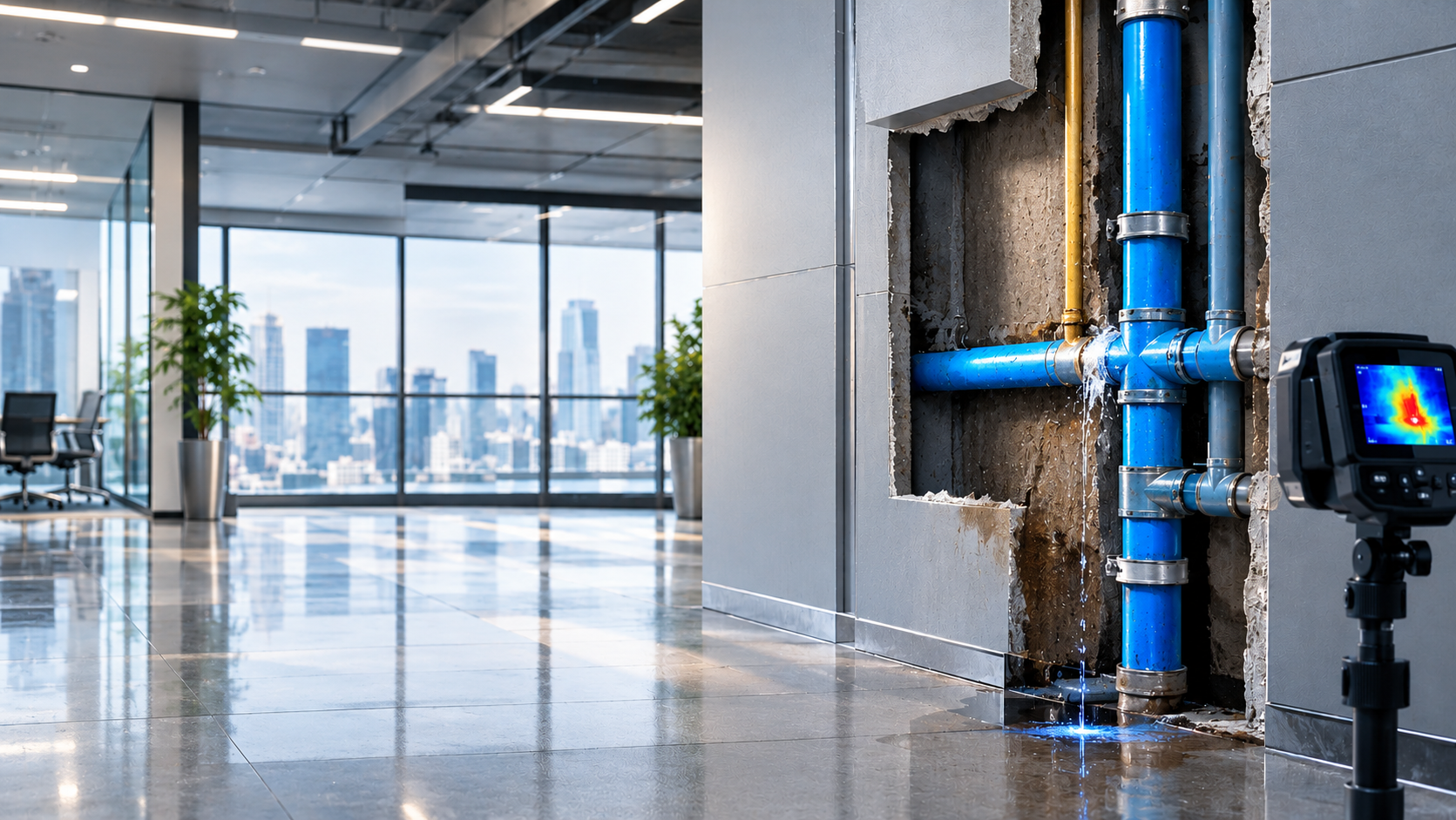
5. Slow-Building Equipment Hazards
Not every risk shows up as a sudden failure. A conveyor belt that's slightly misaligned, a guard rail with a growing gap, a leak that's been dripping in the same spot for days, these build up gradually and often go unnoticed until they cause a slip, a jam, or something worse. Computer vision paired with consistent camera angles can pick up on visual drift over time that a person walking past the same spot every day stops noticing simply because it becomes familiar. This is less about catching one dramatic moment and more about workplace injury prevention through pattern recognition that most manual inspections aren't set up to track over weeks and months.
From Assessment to a Working Safety System
It's worth being upfront about this part, because overselling it doesn't help anyone. Most facilities need somewhere between two and four weeks of tuning after go-live to bring down false alerts, a shadow on the floor gets read as a person, a reflection off a machine gets flagged as a missing guard, that kind of thing. This is normal and expected, not a sign something's gone wrong. The good news is that most deployments work with the camera infrastructure a facility already has as part of its broader manufacturing software solutions setup, so it's rarely a rip-and-replace project. The tuning period is really about teaching the model your specific floor, your lighting, your equipment layout, your PPE colors, rather than deploying a generic template and expecting it to fit right away.
Frequently Asked Questions
Does computer vision replace safety officers?
No. It's built to extend what a safety team can watch, not take the role away from them. Someone still has to review alerts, make judgment calls, and act on what the system flags, the technology just cuts down on how much happens out of sight in the first place.
How accurate is PPE detection in real factory conditions?
It depends heavily on lighting, dust, and camera placement, and accuracy in a clean, well-lit test environment doesn't always carry over one-to-one to a working plant floor. That's exactly why the tuning period exists, to calibrate the model against your actual conditions instead of a lab setup.
Can it work with our existing cameras?
In most cases, yes. Facilities already running IP camera systems for security typically don't need a hardware overhaul, the detection layer runs on top of the existing feed.
How long before the system is reliable?
Most deployments need two to four weeks of alert tuning before false positives drop to a manageable level. After that, most teams find the alerts genuinely worth acting on rather than something to tune out.
Where This Fits for a Chicago Plant
If any of the five risks above sound familiar from your own floor, that's usually the real starting point, not a hypothetical system, but a specific gap someone already knows exists. At Theta Technolabs, this kind of work draws on the same core technologies we apply across other data-heavy industries, artificial intelligence and machine learning for pattern detection, computer vision for the actual visual monitoring layer, and IoT integration where sensor data needs to work alongside the camera feed. If you want to talk through what this would look like on your specific layout, you can reach us at sales@thetatechnolabs.com.








.png)


.png)










.png)