

Healthcare providers today are under immense pressure to deliver high-quality care while managing complex administrative tasks. From appointment scheduling to patient documentation, clinicians and administrators face time-consuming processes that impact efficiency and patient satisfaction. In this context, machine learning in healthcare has emerged as a transformative technology, enabling automation, predictive insights, and smarter operational workflows.
By leveraging machine learning app development services in USA, healthcare organizations can streamline automated appointment scheduling, implement intelligent documentation systems, and optimize overall clinical workflows—all while reducing administrative burden and enhancing patient experience.
The Challenge: Manual Scheduling and Documentation
Traditional appointment scheduling relies on phone calls, emails, or static online booking systems. Staff must coordinate availability across multiple physicians, manage cancellations, and handle patient inquiries. Errors or delays in scheduling can lead to:
- Missed appointments and revenue loss
- Overbooked or underutilized time slots
- Frustrated patients and staff
Similarly, manual documentation consumes significant time. Clinicians must record patient interactions, medical histories, prescriptions, and follow-up instructions. Inefficient documentation processes:
- Increase administrative overhead
- Delay billing and insurance claims
- Limit time spent on direct patient care
These challenges have paved the way for AI-driven patient management and clinical workflow automation, powered by machine learning solutions.
How Machine Learning Enhances Appointment Scheduling
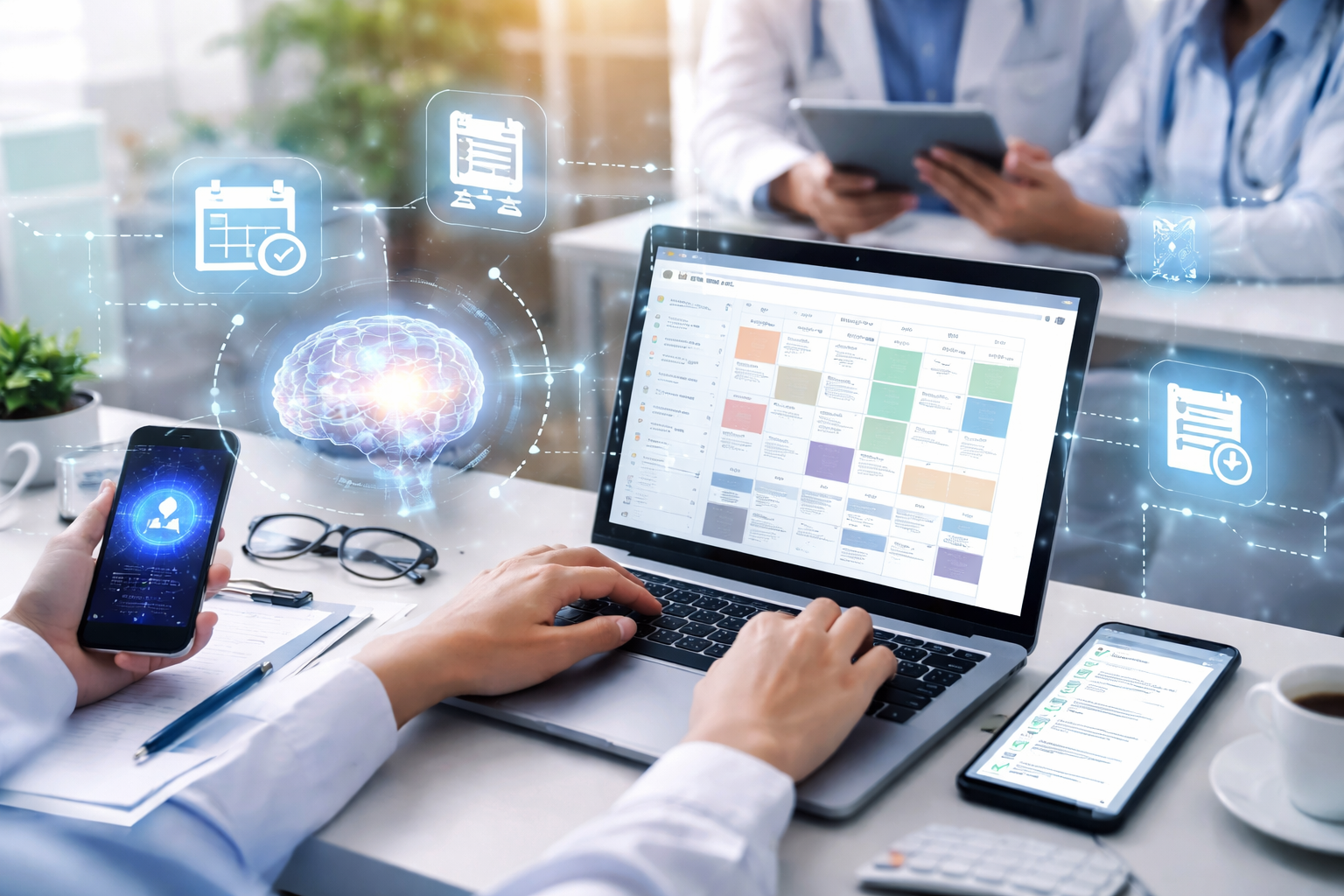
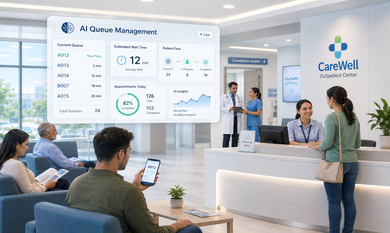
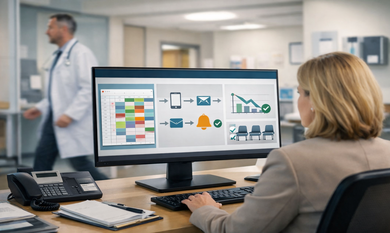
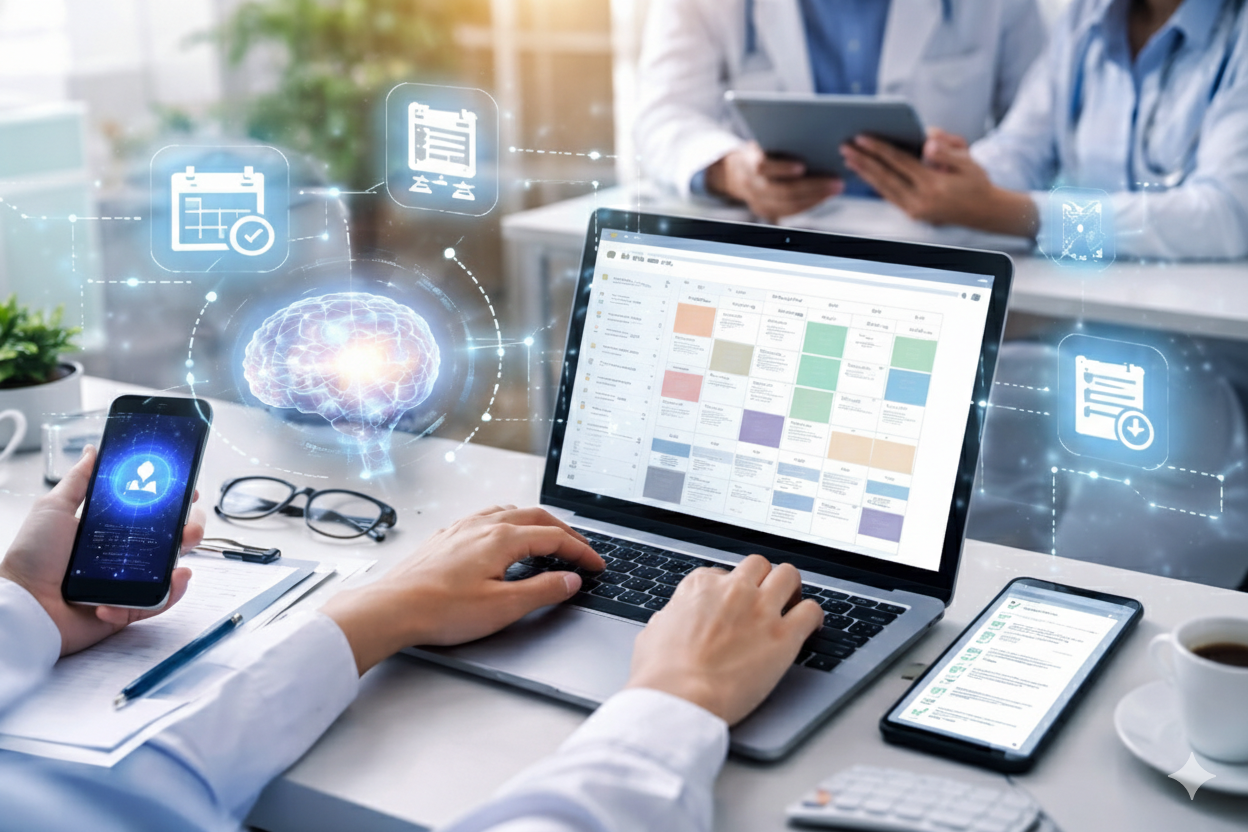
Predictive scheduling algorithms lie at the heart of machine learning-powered appointment systems. These algorithms analyze historical appointment data, patient behavior, physician availability, and clinic patterns to predict optimal scheduling windows.
Key Benefits:
- Automated Appointment Scheduling:
Machine learning systems can suggest available slots to patients in real time, taking into account clinician schedules, equipment availability, and even expected appointment durations.
- Reduced No-Shows and Cancellations:
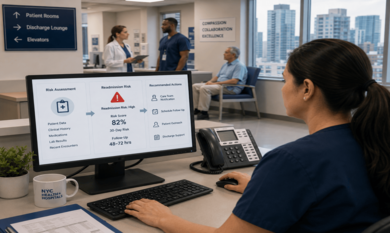
Predictive models identify patients at higher risk of missing appointments and automatically send reminders or reschedule options.
- Optimized Resource Allocation:
Staff, examination rooms, and diagnostic equipment are better utilized, improving operational efficiency and reducing patient wait times.
Example Scenario:
A multi-specialty clinic in New York integrated a machine learning-powered scheduling system. By analyzing appointment histories and patient behavior, the system predicted no-show probabilities and automatically adjusted bookings. Within three months, the clinic reduced missed appointments by 25% and improved overall daily patient throughput.
Intelligent Documentation Systems: Reducing Administrative Burden
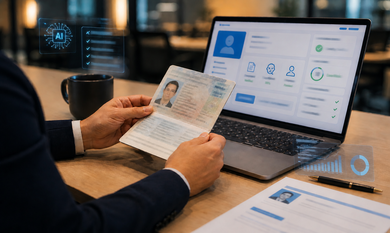
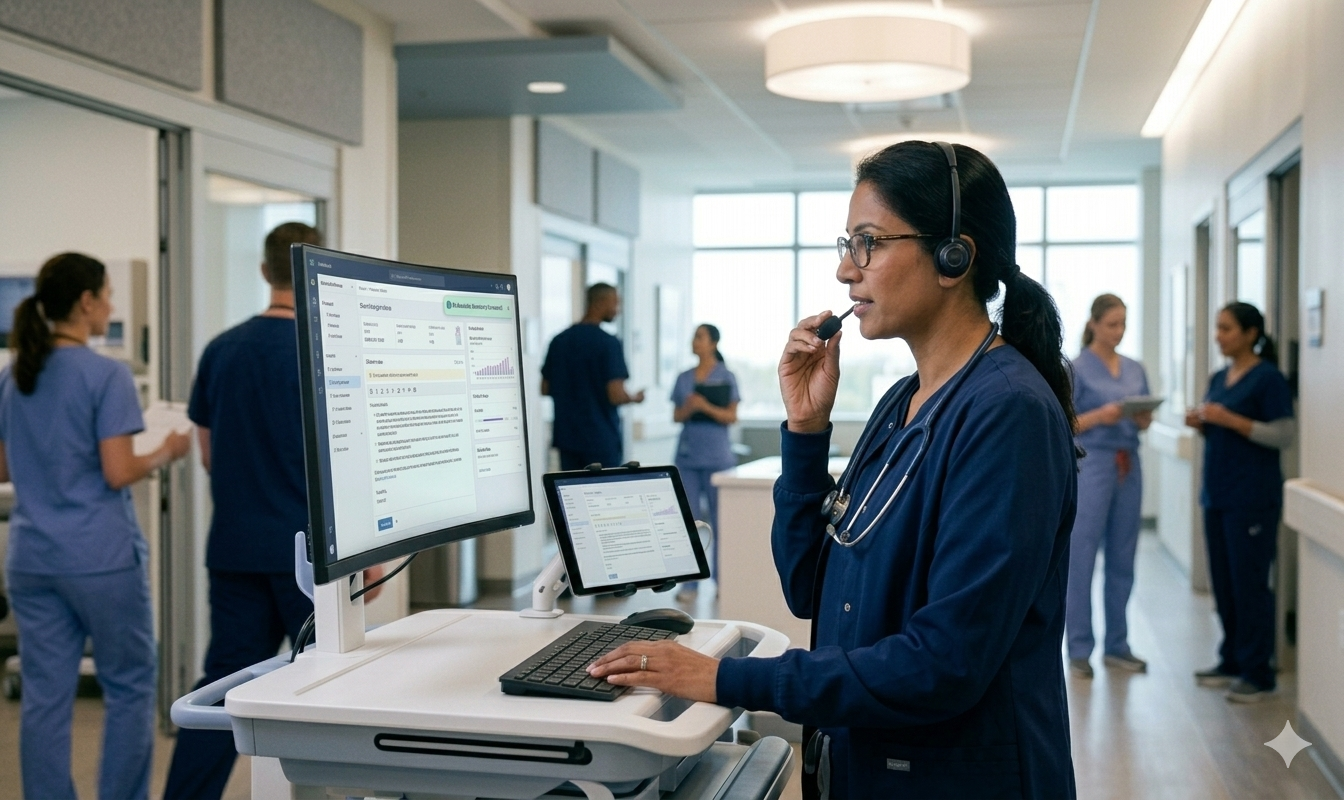
Beyond scheduling, intelligent documentation systems powered by machine learning help clinicians streamline record-keeping. These systems can:
- Automatically transcribe and summarize patient consultations
- Suggest appropriate codes for billing and insurance
- Extract critical data points for reports and analytics
By automating routine documentation, clinicians spend less time on paperwork and more time on direct patient care.
Real-World Use Case:
A cardiology practice implemented an AI-driven documentation tool. Voice recordings from consultations were converted into structured patient records automatically. Physicians reported saving up to 2 hours daily per clinician, allowing more focus on patient interactions and preventive care strategies.
AI-Driven Patient Management
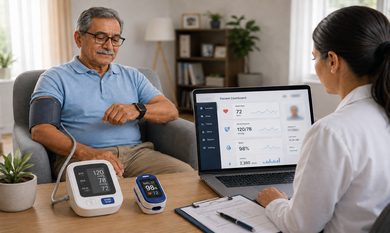
Integrating machine learning into patient management creates a seamless, intelligent ecosystem. Systems can:
- Prioritize patients based on urgency and risk factors
- Monitor follow-up schedules and medication adherence
- Predict future healthcare needs using historical data
This level of automation not only enhances patient satisfaction but also ensures regulatory compliance, reduces errors, and improves clinical outcomes.
Implementation Note:
Partnering with a Mobile App Development Company in USA ensures seamless integration of these systems into existing hospital apps, EMRs, or patient portals, providing a cohesive digital experience across all touchpoints.
Clinical Workflow Automation: From Theory to Practice
Clinical workflow automation powered by machine learning enables healthcare teams to optimize processes end-to-end. Examples include:
- Automated triage based on patient-reported symptoms
- Real-time alerts for critical lab results
- Intelligent reminders for preventive screenings
By connecting predictive scheduling algorithms with intelligent documentation and patient management tools, healthcare providers achieve an integrated ecosystem that enhances efficiency, reduces costs, and elevates patient care.
Scalability and Security Considerations
For healthcare organizations, adopting machine learning solutions requires careful attention to scalability, data privacy, and security. Modern machine learning app development services in USA offer:
- Cloud-based platforms for scalable deployment
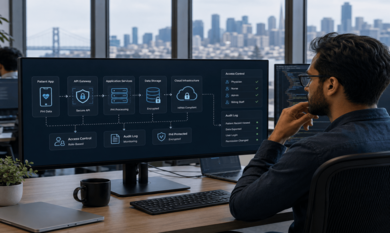
- Role-based access and data encryption to maintain HIPAA compliance
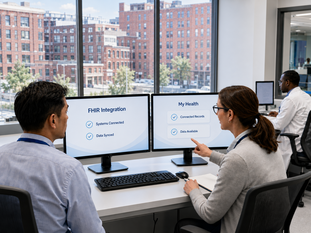
- Integration with EMRs, telehealth platforms, and hospital information systems
These considerations ensure long-term sustainability and safe handling of sensitive patient data.
Future Trends: Smarter Healthcare Operations
As healthcare continues to evolve, machine learning will further transform operational efficiency:
- Predictive analytics for population health management
- Real-time resource allocation across multi-location hospitals
- AI-driven patient engagement platforms
Hospitals, clinics, and HealthTech startups that embrace these solutions position themselves as leaders in digital healthcare transformation.
Conclusion
Machine learning is no longer a futuristic concept—it is a practical tool reshaping appointment scheduling and documentation in healthcare. By leveraging machine learning app development services in USA, healthcare organizations can implement automated appointment scheduling, intelligent documentation systems, and AI-driven patient management to improve efficiency, reduce costs, and enhance patient care.
With expertise in Web, Mobile and Cloud, Theta Technolabs helps healthcare providers design, develop, and deploy intelligent machine learning solutions tailored to modern clinical workflows. From predictive scheduling algorithms to intelligent documentation, our solutions make healthcare operations smarter, safer, and more patient-centric.
Ready to Transform Your Healthcare Operations with Machine Learning?
Connect with our experts to implement scalable, AI-driven solutions that streamline appointments and documentation.
FAQs
1. How does machine learning improve appointment scheduling?
Machine learning analyzes historical data, patient behavior, and clinician availability to predict the best appointment slots. It automates bookings, sends reminders, and reduces no-shows, ensuring clinics run efficiently while patients get timely care.
2. What are intelligent documentation systems?
Intelligent documentation systems use AI to transcribe patient consultations, extract key information, and generate structured records. They reduce manual paperwork, improve accuracy, and help clinicians focus more on patient care rather than administrative tasks.
3. Can machine learning integrate with existing hospital software?
Yes. Machine learning solutions can seamlessly integrate with EMRs, patient portals, telehealth platforms, and other hospital systems. This ensures a unified workflow and allows healthcare providers to leverage AI without overhauling their existing technology infrastructure.
4. How does predictive scheduling benefit patient management?
Predictive scheduling algorithms forecast appointment no-shows, optimal consultation durations, and peak patient times. This enables clinics to allocate staff, equipment, and rooms efficiently, reduces patient wait times, and enhances overall operational efficiency.
5. Is machine learning in healthcare secure?
Absolutely. Modern machine learning systems follow HIPAA-compliant protocols, use encrypted cloud storage, and implement role-based access controls. This ensures sensitive patient data remains safe while supporting scalable, data-driven healthcare operations.









.png)



.png)
















.png)




















.png)


.png)



.png)