

You have spent years getting your diagnostic device right. It works, it is validated, and customers trust it. Now health systems are asking for remote data, a competitor just shipped a connected version, and you are wondering whether adding remote monitoring means tearing your product apart and starting over. It does not. For most medical device manufacturers in Boston, connected medical device development is far less daunting than it looks, because the hardest work is already behind you. This guide walks through what adding remote monitoring actually involves, what it costs, how connectivity works, and what changes for compliance, so you can decide your next step with clear eyes.
The connected-product shift Boston device makers are facing
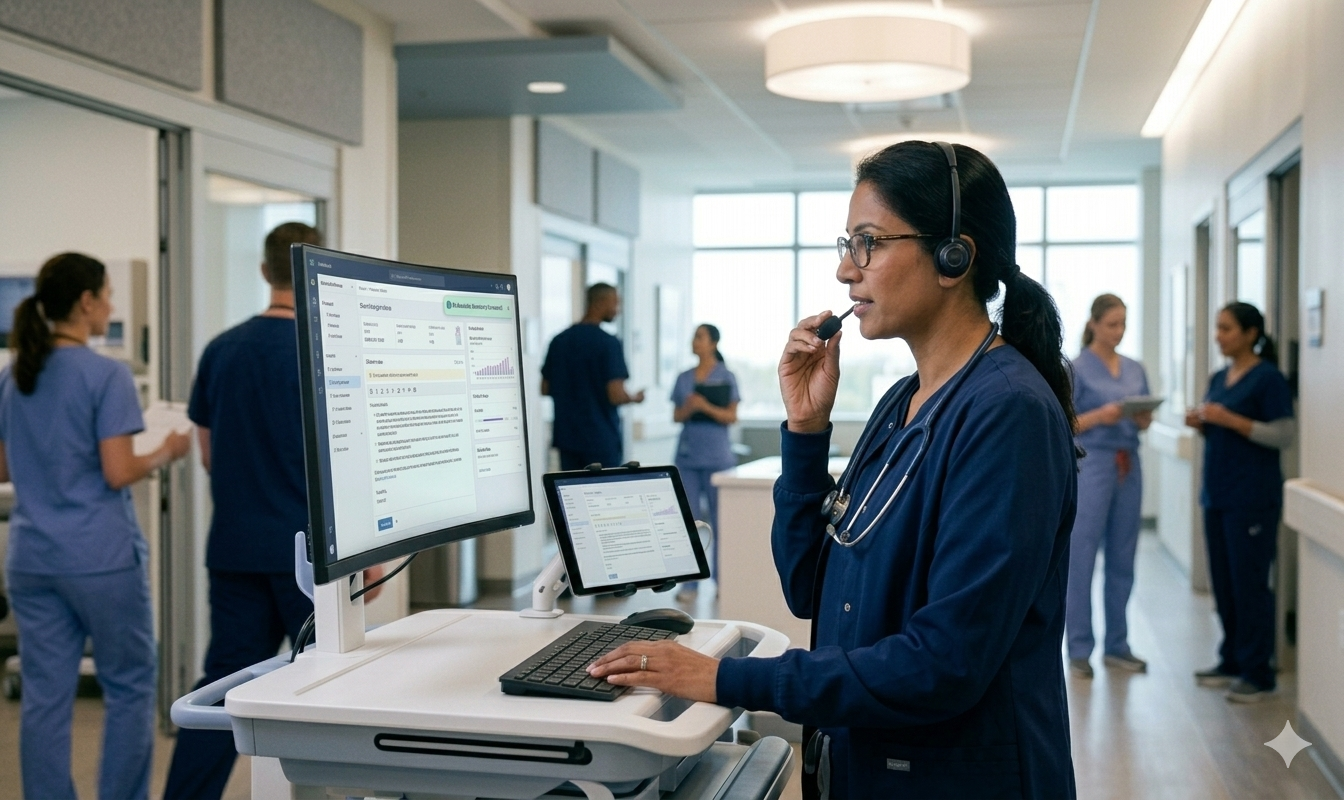
Remote monitoring for medical devices has moved from novelty to expectation. Patients want care that follows them home, providers want continuous data, and device buyers increasingly treat connectivity as a baseline feature rather than a premium one. Boston sits at the center of this shift. The region's dense cluster of diagnostics companies, hospitals, and research institutions means your customers and competitors are already having these conversations, and standing still has a cost.
For a manufacturer, the pull toward IoT in medical devices is not only about keeping up. It opens real business value:
- Customer expectations: health systems and clinics increasingly shortlist connected products.
- Competitive differentiation: a connected device stands apart from a standalone one.
- Recurring revenue: monitoring and data services create income beyond the one-time hardware sale.
- Lower service costs: knowing how a device performs in the field reduces blind support calls.
None of this requires reinventing your product. It requires extending it. Our work on digital healthcare solutions across the sector has shown that the manufacturers who move deliberately, rather than rushing or freezing, are the ones who turn connectivity into an advantage.
You already have the hard part
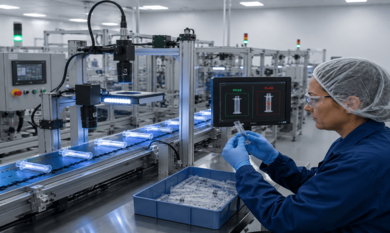
Here is the reassuring truth. The genuinely difficult parts of a medical device are the science, the engineering, the clinical validation, and the manufacturing. You have done all of that. Adding remote monitoring is an extension of a proven product, not a new product built from zero.
In many cases, connectivity can be added as an external module or a targeted firmware extension, preserving your validated core sensing science without forcing a complete mechanical or sensor redesign. It is still a real engineering change. Adding a communication module typically updates your design controls and risk documentation, so it is planned work, not a plug-and-play swap, but it is far short of starting the product over. In other cases, particularly with older hardware or tighter form factors, a more involved redesign makes sense. Knowing which path fits your device is one of the first questions worth answering, and it is usually quicker to answer than manufacturers expect.
This is why the question of how to add remote monitoring to a medical device rarely has a single scary answer. It has a spectrum, from light-touch retrofit to deeper integration, and most products land closer to the simpler end than the complex one. The right approach depends on your hardware, your intended use, and how much data you need to move. Establishing medical device connectivity is an engineering exercise with known patterns, not uncharted territory.
Two kinds of remote monitoring, and why you may want both
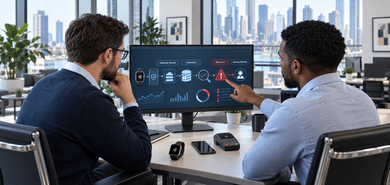
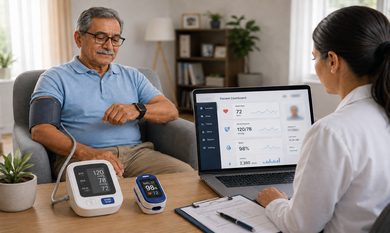
Most articles on this topic blur an important distinction. There are two different things you can monitor remotely, and as a manufacturer you may benefit from both. The first is patient monitoring, where the device streams clinical data to providers. The second is device monitoring, where the device reports on its own health, usage, and location.
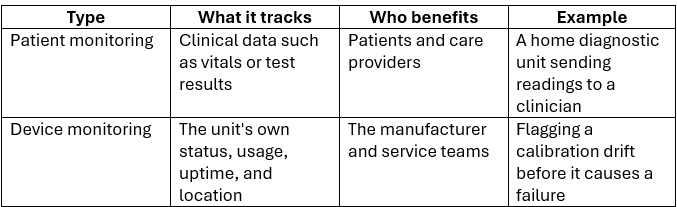
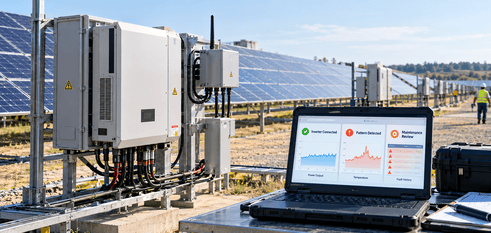
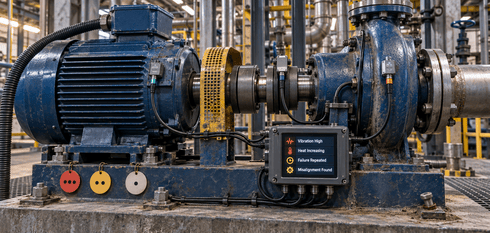
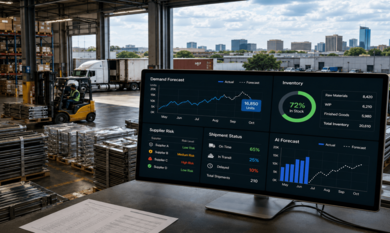
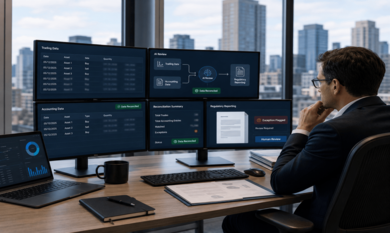
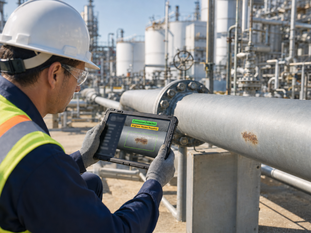
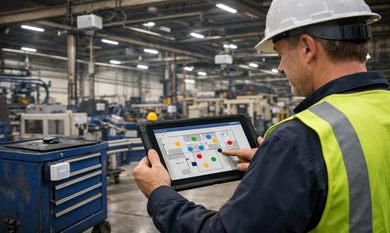
Patient monitoring usually gets all the attention, but device monitoring is often where manufacturers find the most direct return. Tracking how your units perform in the field lets you move from reactive repairs to predictive maintenance, reducing downtime, service trips, and warranty costs. It also gives you visibility you have never had: which features get used, where devices are deployed, and when one needs attention. Building predictive maintenance for medical devices and patient monitoring into a single connectivity layer is usually more efficient than treating them as separate projects.
How the connectivity actually works
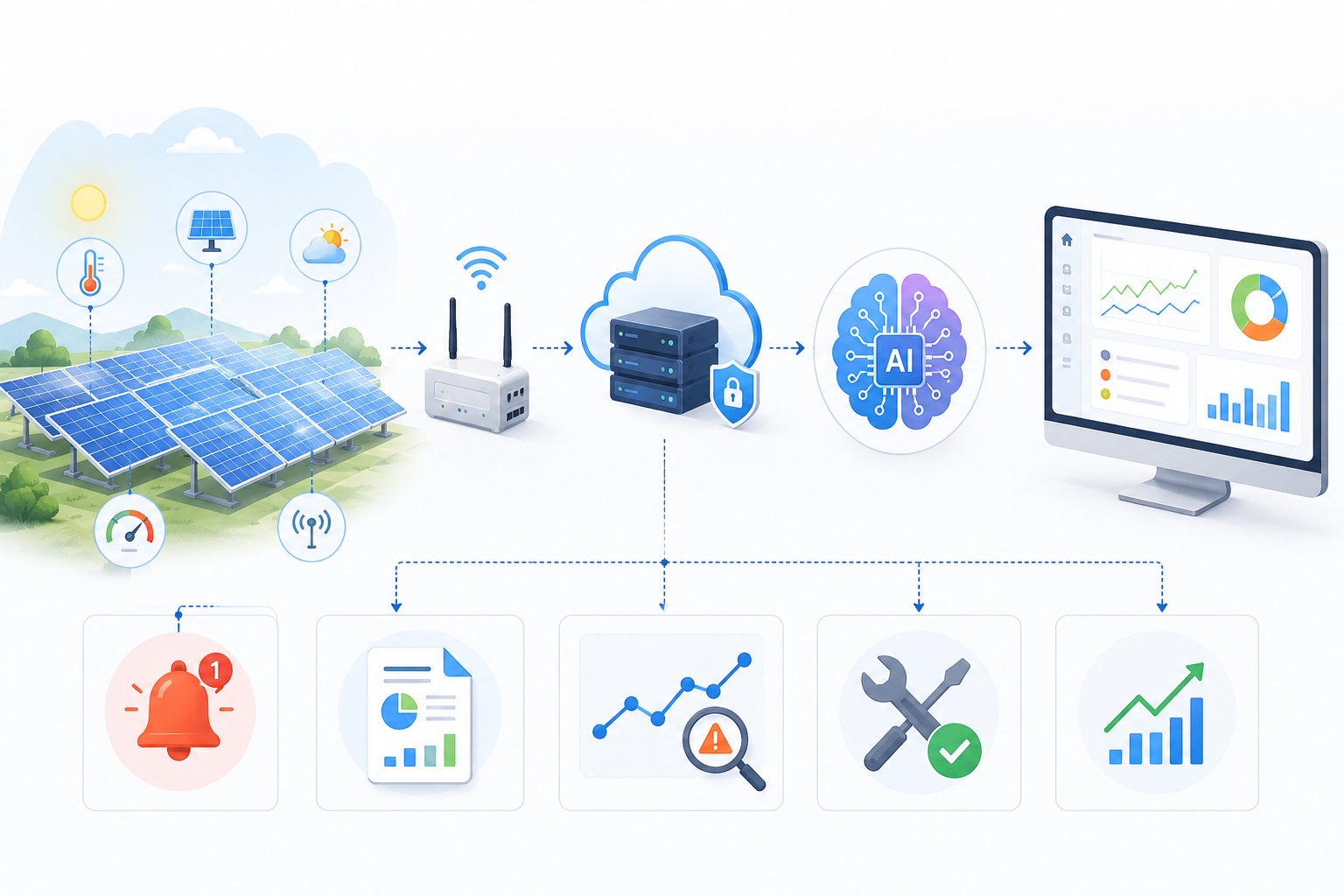
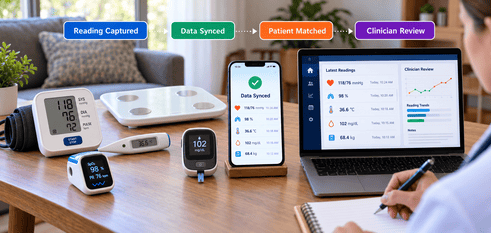
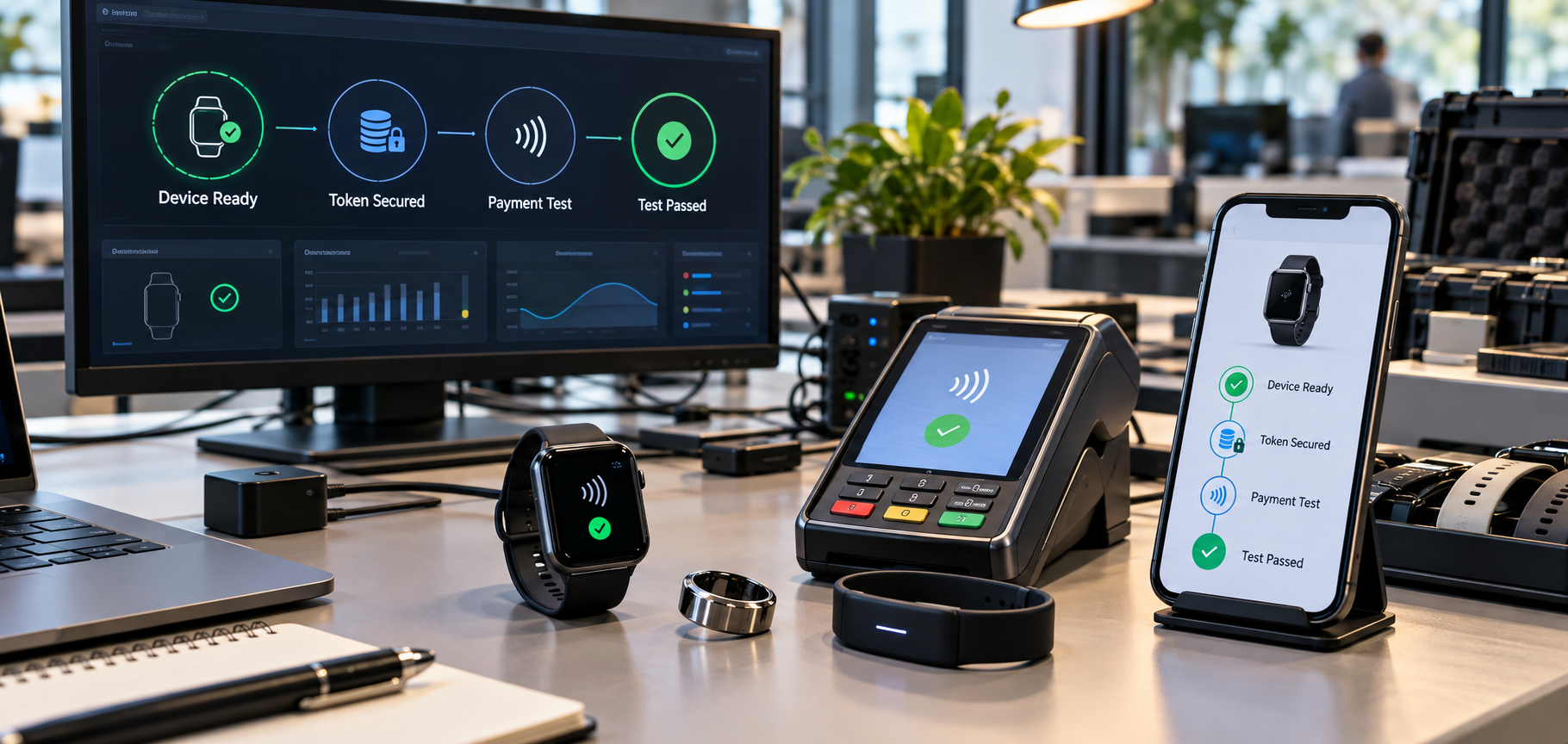
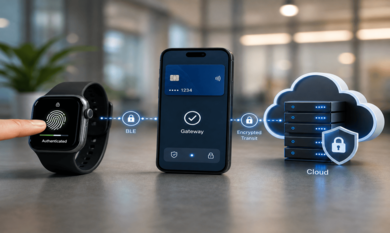
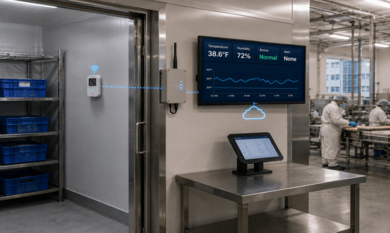
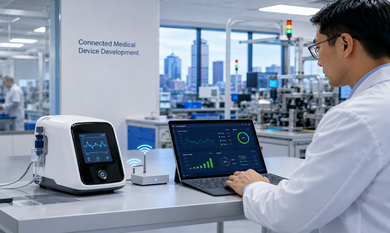
At a high level, a connected medical device has four parts: the device and its sensors, a connectivity layer that moves the data, a cloud or edge platform that stores and processes it, and a dashboard or app where people view it. The interesting decision is the connectivity layer, because the right choice depends on how and where your device is used.
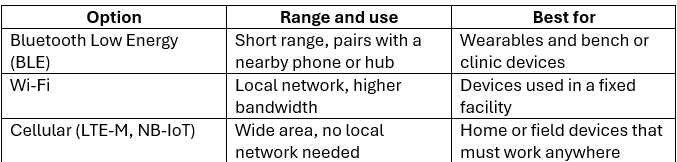
For a portable diagnostic device used in the home, cellular often makes sense because it does not depend on a patient's Wi-Fi. For a unit that lives in a clinic, BLE paired with a gateway or Wi-Fi may be simpler and cheaper. Where real-time alerts matter, edge processing on or near the device can analyze data locally before sending it on. There is no universally best option, only the one that fits your device and its environment, which is why this is worth deciding early.
What changes for compliance once your device is connected
This is the section that worries most teams, and it deserves a straight answer. Connecting a device that was previously offline changes its regulatory profile. Once a device contains software and can connect to a network, whether directly to the internet or through an external interface like Bluetooth, Wi-Fi, or a wired port, it typically meets the FDA's definition of a "cyber device" which carries specific cybersecurity expectations for premarket submissions under Section 524B of the Federal Food, Drug, and Cosmetic Act. You can read the FDA's current guidance on medical device cybersecurity for the details.
In practice, addressing this early tends to involve:
- Building security into the device design rather than bolting it on later
- A plan to monitor and address vulnerabilities after the device is on the market
- A software bill of materials listing the software components in the device
- Careful handling of any patient data the device collects
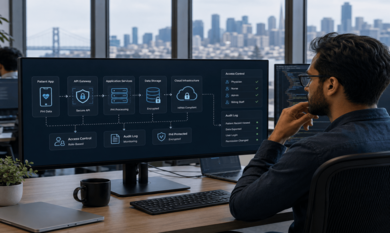
Handling patient data also brings privacy obligations into scope. A device on its own is not 'HIPAA compliant'; HIPAA applies to the providers and partners who handle the data. What matters is building a device and cloud platform that enable HIPAA compliance, with encryption, authentication, and audit logging planned in from the start rather than bolted on at the end. None of this guarantees clearance, and no partner can promise regulatory approval. What a capable development partner can do is build with these requirements in mind so compliance work is supported rather than scrambled. The point is not that connectivity is risk-free. It is that the risks are known, documented, and manageable when planned for.
What it really costs and how long it takes
The fear that stops most projects is the imagined price tag: a massive, open-ended build with no clear end. The reality is more controllable, because the cost to add IoT to a medical device depends on choices you get to make. The main factors that move cost and timeline are:
- Connectivity choice, since BLE is generally simpler than full cellular and cloud
- Regulatory scope, since a higher device risk class demands more rigor
- Cloud and dashboard build, meaning how much you build versus configure
- Integration depth, meaning how deeply data ties into existing systems
The most effective way to manage all of this is to phase the work:
- Start with a focused pilot on one device and one use case.
- Validate it with real data and real users.
- Scale to your wider product line once it proves out.
A pilot keeps the initial investment small, produces evidence before you commit further, and surfaces the real costs early rather than late. It is the difference between a guess and a plan.
Getting started with a partner who has done it
If you make a medical device and have been putting off remote monitoring, the gap between where you are and a connected product is smaller than it feels. You already have the validated device. The technology is proven, the connectivity patterns are well understood, and the regulatory path, while real, is manageable with the right planning. A phased approach keeps the risk and the cost in check.
This is the kind of work Theta Technolabs builds for medical device companies. On the connectivity side that means BLE, Wi-Fi, and cellular options such as LTE-M and NB-IoT, paired with embedded firmware to move data off the device reliably. From there the data flows into a secure cloud platform, typically on AWS, where it is stored and processed, and your clinicians, patients, or service teams view it through web dashboards built with Node.js and React or Angular, or mobile apps built with Flutter and React Native. For device monitoring, AI and machine learning models turn raw field signals into useful predictions, such as flagging a unit that may need attention before it fails. The stack is chosen to fit your device, not the other way around.
The sensible first step is a conversation about your specific device: what it does, where it is used, and what you want to monitor. From there, the right path usually becomes clear quickly. If you want to talk it through, our IoT product development team handles connected medical device development for manufacturers like you, and you can reach us at sales@thetatechnolabs.com.
Frequently asked questions
Do I have to redesign my device to add remote monitoring?
Usually not from scratch. Many devices can be extended with an external connectivity module and a targeted firmware update rather than rebuilt, though this is still a controlled design change that updates your risk and design-control documentation. The right path depends on your hardware and intended use, and a quick assessment usually answers it.
Does adding connectivity make my device subject to FDA cybersecurity requirements?
Usually yes. Under Section 524B, a device running software that connects to the internet or communicates through an external interface such as Bluetooth, Wi-Fi, or a wired port is generally treated as a cyber device, so cybersecurity information is expected in premarket submissions. Using only BLE to a phone does not exempt you.
What is the difference between remote patient monitoring and remote device monitoring?
Patient monitoring streams clinical data to providers. Device monitoring tracks the unit's own health, usage, and location, which supports predictive maintenance and lower service costs. Many manufacturers benefit from both.
Is Bluetooth or cellular better for a portable medical device?
It depends on use. Bluetooth Low Energy suits devices paired with a nearby phone or hub, while cellular such as LTE-M or NB-IoT suits standalone home or field devices that cannot rely on local Wi-Fi.
How long until a connected version of my device is ready?
A focused pilot is usually faster than a full rollout. The timeline depends on your connectivity choice, regulatory scope, and how deeply the data integrates with existing systems.
















.png)



.png)




















.png)