.png)


Supply chains today are more complex, interconnected, and vulnerable than ever. Businesses operate across multiple continents, rely on hundreds of suppliers, and depend on real time logistics to keep goods moving. Any disruption, even a small delay, can ripple across the entire ecosystem. Whether it is a container stuck at a port, a shortage of raw materials, a sudden spike in demand, or inaccurate forecasting, delays can cost companies millions and damage customer relationships.
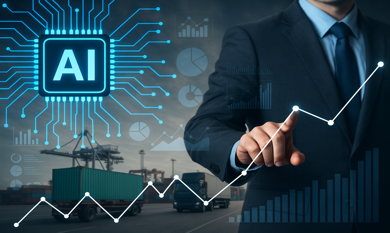
This is why global enterprises are adopting AI powered predictive analytics to boost visibility, enhance planning, and reduce disruptions. Using ai supply chain analytics and machine learning algorithms, companies can predict delays before they happen and act proactively. Rather than reacting after problems arise, businesses now have the ability to avoid bottlenecks, optimize routes, and balance supply and demand.
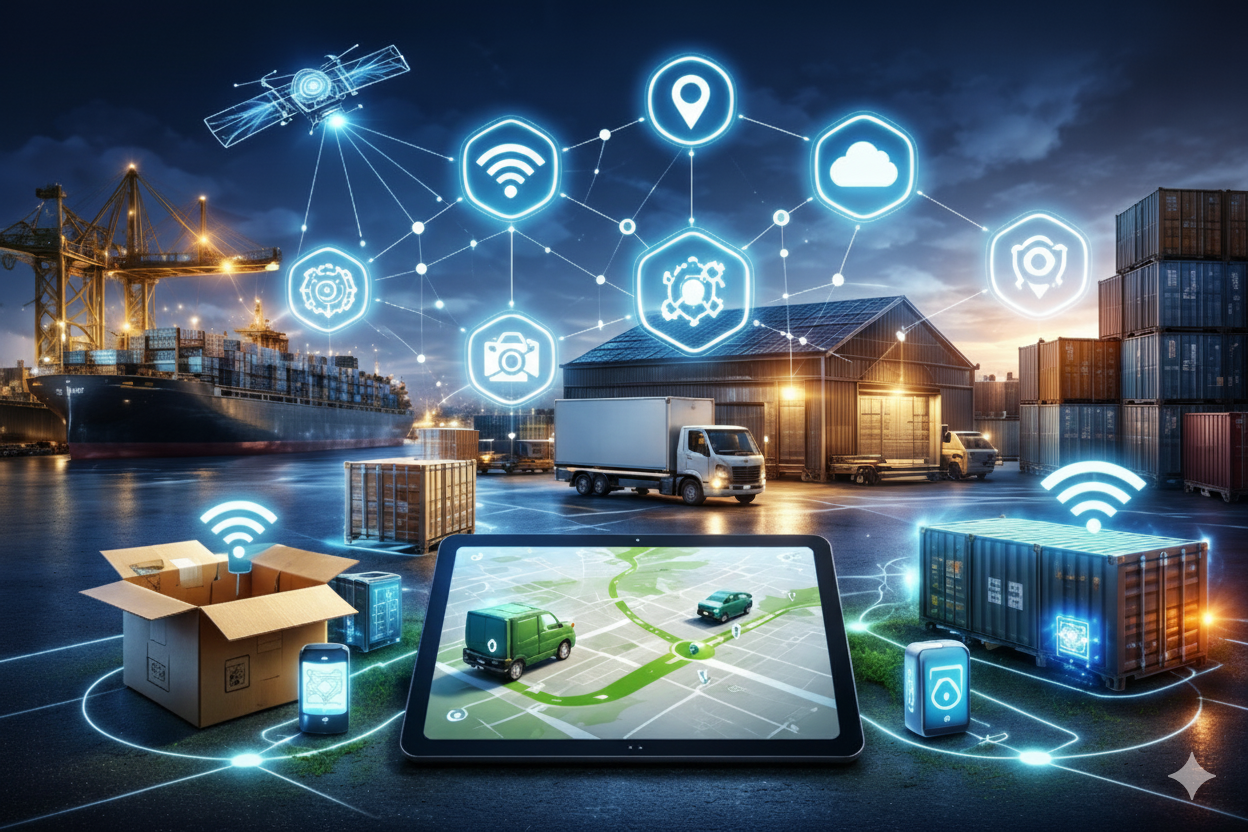
Many enterprises also use cross platform mobile app development services dallas to build mobile dashboards for real time insights, enabling operations teams to track shipments from anywhere. In addition, industries using sensors, RFID tags, and Bluetooth devices depend on ble application development services dallas to collect reliable logistics data that feeds into predictive models.
As markets become more volatile, AI is helping supply chain leaders stay prepared and competitive.
Why Supply Chain Delays Continue to Rise
Even digitally enabled supply chains face challenges. Some of the biggest reasons delays happen include:
1. Demand volatility
Consumer preferences shift faster than traditional forecasting methods can track. Sudden spikes can exhaust inventory, while unexpected declines lead to overstock.
2. Transportation disruptions
Weather, port congestion, customs delays, and driver shortages cause unpredictable timing gaps.
3. Supplier inconsistencies
A supplier may fail to deliver materials on time, and businesses often have limited visibility into supplier operations.
4. Manual reporting errors
Supply chain teams still rely on spreadsheets or outdated systems that lack real time accuracy.
5. Lack of integrated data
Data often sits in silos scattered across warehouses, ERPs, shipping systems, and partner portals.
All these factors contribute to reducing supply chain delays becoming one of the biggest priorities for modern organizations.
AI powered predictive analytics changes the entire way supply chains operate. Rather than depending on historical numbers or manual predictions, machine learning models analyze patterns, external risks, customer behavior, logistics data, and supplier performance to provide highly accurate forecasts.
Some powerful ways AI helps include:
1. Predictive demand forecasting
AI models consider real time sales, market trends, seasonality, and economic changes to forecast what customers will buy and when. This leads to better inventory planning.
2. Smart logistics forecasting
Predictive models combine weather forecasts, route history, fleet data, and carrier performance to highlight possible delays before they occur.
3. Predictive transport AI
Machine learning tracks travel durations, congestion patterns, and historical disruptions to forecast delivery issues and suggest alternate routes.
4. Supply chain disruption alerts
AI systems automatically notify teams when something unusual is detected, such as slower transit speeds, supplier delays, or abnormal stock movements.
5. AI demand supply balance
AI matches supply levels with predicted demand to avoid overstocking or stockouts.
6. Intelligent logistics solutions
Using real time data, AI recommends the best transportation method, optimal warehouse location, and fastest delivery route.
7. Route and warehouse optimization
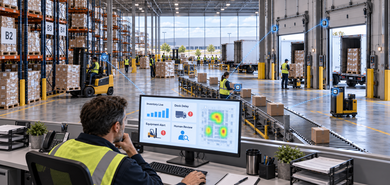
AI helps manage fleet availability, warehouse picking schedules, and load planning to avoid internal bottlenecks.
By turning raw logistics data into predictive insights, companies can act early, avoid disruptions, and improve delivery accuracy.
Real World Example: How Falcon Global Logistics Reduced Delays by 38 Percent
Falcon Global Logistics, a mid sized transportation company, was struggling with frequent delivery delays. Their operations team often received late updates about traffic issues, port congestion, or weather disruptions. By the time they knew of the problem, rerouting was too late.
The company implemented a predictive analytics platform powered by ai supply chain analytics models and integrated it into their BLE based tracking devices. Using sensors built through ble application development services dallas, Falcon gained real time data about truck movement, shipment conditions, and route patterns.
Within six months:
- Delays dropped by 38 percent
- Rerouting efficiency increased by 52 percent
- Customer complaints fell by 41 percent
- On time deliveries increased from 72 percent to 91 percent
This transformation highlights how predictive transport AI and logistics optimization ai can dramatically improve operational efficiency.
Key Advantages of AI Powered Predictive Analytics in Supply Chains
1. Cost Reduction
Accurate predictions prevent last minute transportation changes, rush orders, and emergency stocking.
2. Stronger Supplier Management
AI evaluates supplier performance, lead time reliability, and risk factors to create smarter decision making.
3. Improved Customer Satisfaction
With reliable delivery timings, customers experience fewer delays and fewer cancellations.
4. Better Inventory Planning
AI highlights exactly how much inventory to hold, where to position it, and when to restock.
5. Proactive Decision Making
Instead of reacting to issues, supply chain teams can act in advance.
6. End to End Visibility
AI ties together data from warehouses, trucks, suppliers, ports, and customer systems.
7. Higher Profitability
Efficient supply chains reduce waste, prevent shortages, and improve throughput.
How Businesses Can Start Using Predictive Analytics Today
Companies do not need to overhaul their entire supply chain to get started. AI powered predictive tools can be introduced step by step:
1. Start with data readiness
Identify data sources such as ERPs, transportation systems, sensors, or supplier portals. Clean and organize them into a single data pipeline.
2. Build mobile friendly tracking tools
Using cross platform mobile app development services dallas, companies create unified dashboards for real time monitoring.
3. Add BLE and IoT tracking devices
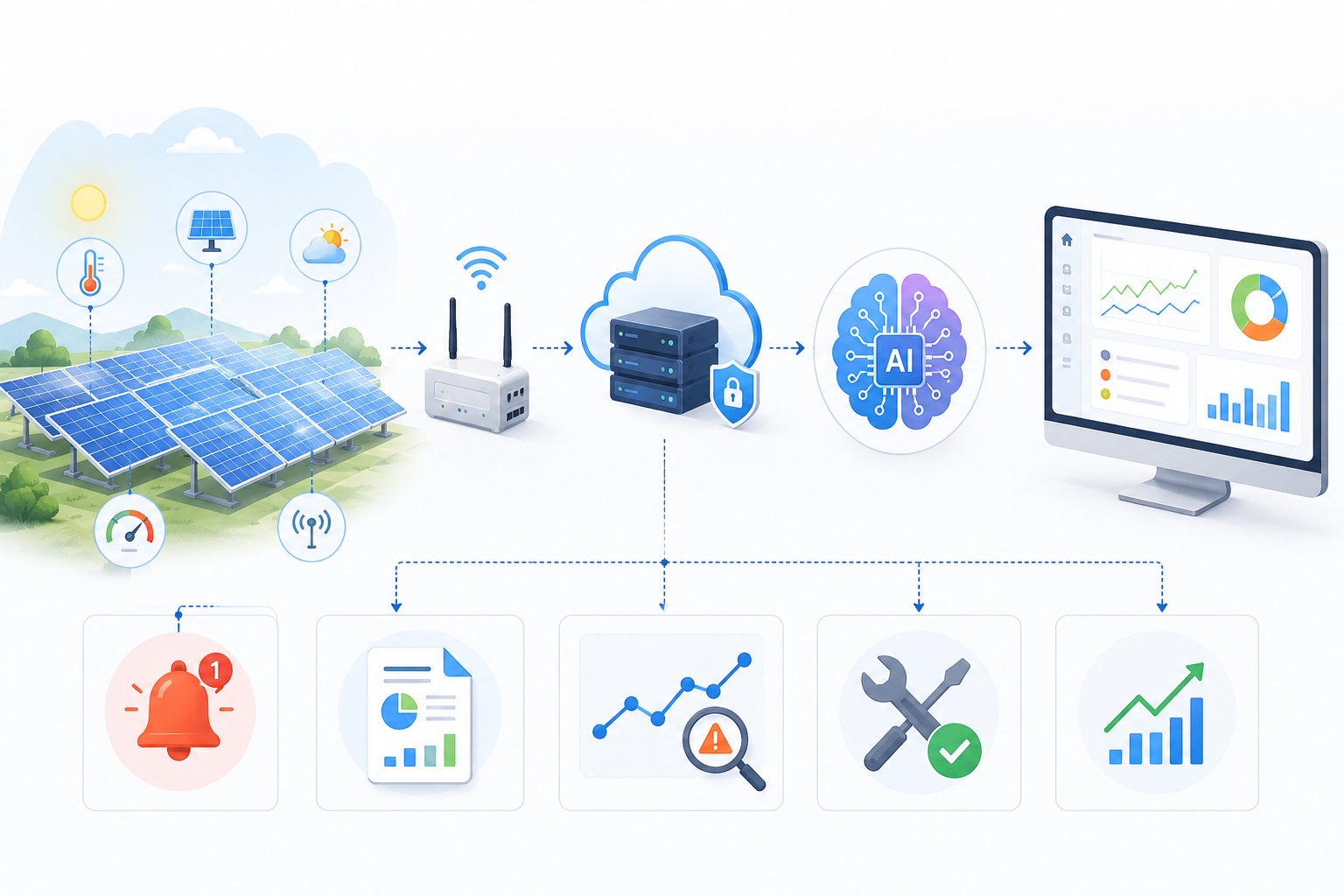
Sensors and BLE devices collect accurate location, speed, and temperature data from shipments.
4. Deploy predictive models
Machine learning models examine current and historical trends to forecast delays and disruptions.
5. Integrate alerting systems
Automated notifications let teams know when interventions are required.
6. Measure improvements
Track KPIs like delivery accuracy, cost savings, stockout reduction, and supplier performance improvement.
Conclusion
AI powered predictive analytics is redefining how modern supply chains operate. From predictive demand forecasting to logistics optimization ai, companies can prevent issues before they escalate. Real time alerts, intelligent route planning, and automated decisions give enterprises the agility they need to compete in unpredictable markets. AI also enhances resilience, improves visibility, and ensures faster deliveries with fewer disruptions.
As organizations adopt smarter digital ecosystems, Theta Technolabs supports them with enterprise ready Web, Mobile and Cloud solutions built for scale. Our expertise in advanced AI engineering and supply chain analytics ensures that businesses get future ready systems designed for performance and reliability. With proven experience delivering ai development services dallas, we help companies create seamless, proactive, and efficient supply chains powered by modern technology.
Want to Transform Your Supply Chain with Predictive AI?
Enhance visibility, reduce delivery delays, and optimize operations with enterprise ready predictive analytics. Reach out to sales@thetatechnolabs.com to explore customized AI driven supply chain solutions for your business.















.png)




.png)






















.png)























.png)


.png)



.png)