The logistics industry is undergoing a massive transformation. From warehouse operations to fleet management, machine learning (ML) is becoming the backbone of smarter, faster, and more cost-efficient supply chains. Today, businesses are leveraging ML not only to deliver goods faster but also to cut fuel costs, reduce empty miles, and improve sustainability.
Let’s explore how machine learning is optimizing routes, minimizing fuel consumption, and making logistics operations more intelligent.
The Rise of Machine Learning in Logistics
Machine learning enables logistics companies to make data-driven decisions using historical and real-time data. With the help of predictive models, ML can identify patterns, anticipate disruptions, and optimize delivery routes even in changing traffic or weather conditions.
Global leaders like UPS, FedEx, DHL, and Amazon are already implementing ML-based route optimization and predictive logistics analytics to boost delivery efficiency. For example, UPS’s “ORION” system uses advanced machine learning algorithms to optimize delivery routes, saving the company millions of gallons of fuel annually.
These innovations are setting new standards for logistics efficiency and environmental responsibility.
Understanding Route Optimization with Machine Learning
Traditional route planning relied on static maps and manual scheduling. However, route optimization with machine learning considers multiple real-world variables such as traffic congestion, road closures, weather updates, and delivery time windows.
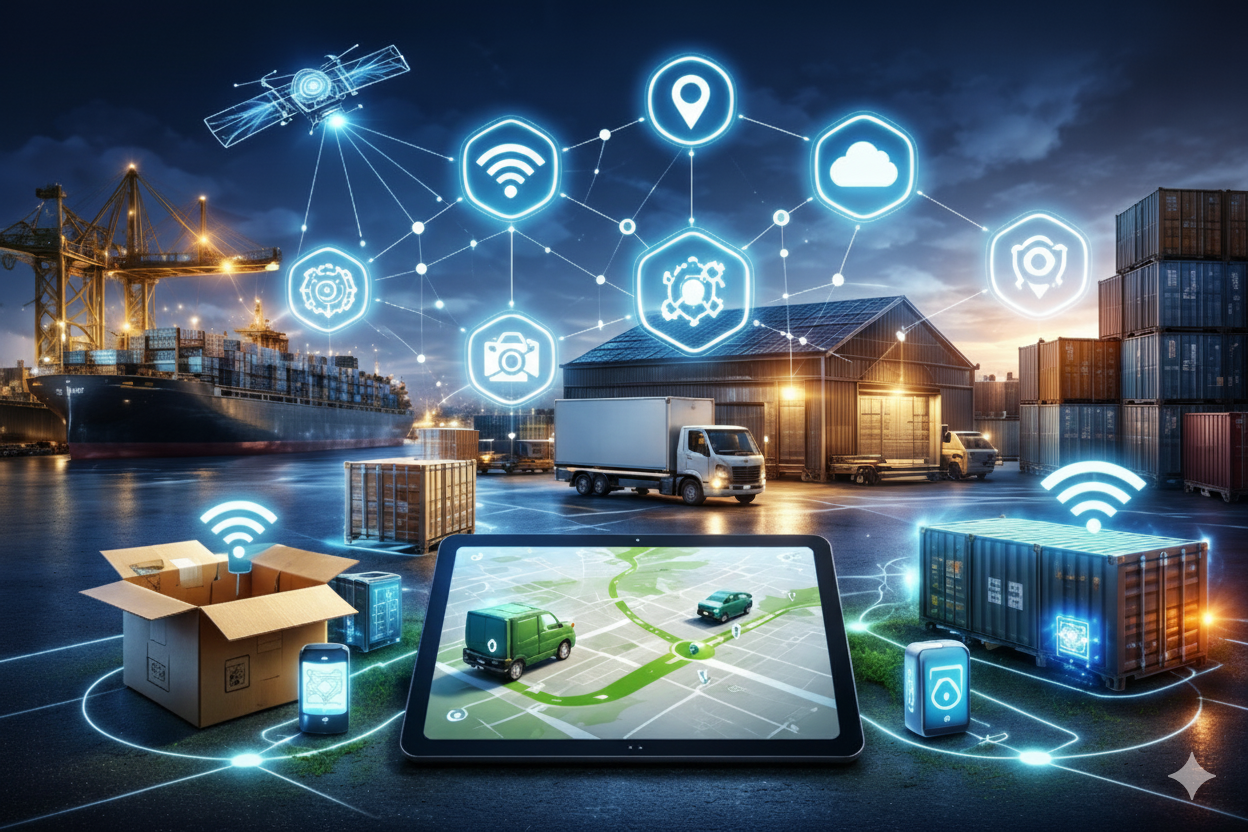
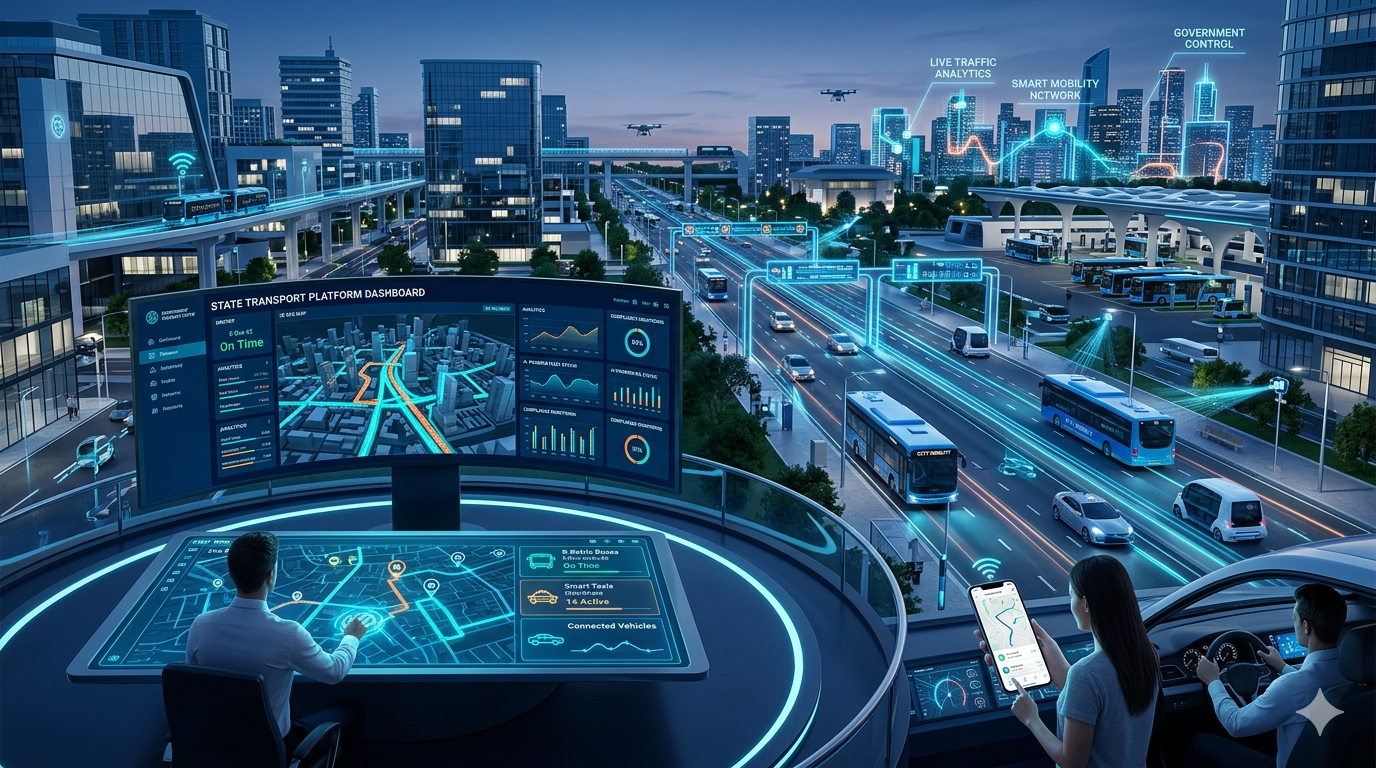
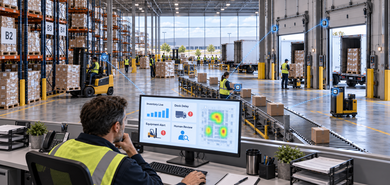
Machine learning models process large volumes of live data from GPS trackers, IoT sensors, and historical records to identify the most efficient route in real time. This helps logistics providers ensure faster deliveries and reduced vehicle wear and tear.
For instance, DHL employs ML-powered predictive route planning to dynamically adjust delivery routes. This minimizes idle time, ensures better fuel economy, and enhances driver productivity.
By combining ML with AI fleet optimization tools, companies can monitor driver behavior, control idle time, and plan predictive maintenance—all contributing to lower operational costs.
Fuel Cost Reduction in Logistics
Fuel costs represent one of the largest operational expenses for logistics companies. Even a small percentage of improvement in fuel efficiency can translate into huge savings.
Machine learning plays a major role in fuel cost reduction logistics by identifying inefficiencies and optimizing operations at every level. ML models analyze driving patterns, speed fluctuations, vehicle load, and route data to recommend the most fuel-efficient driving strategies.
For example, FedEx uses AI-powered analytics to reduce unnecessary mileage and fuel consumption. By optimizing driver routes and vehicle utilization, they save millions of dollars annually while reducing CO₂ emissions. Similarly, Amazon utilizes machine learning to predict optimal delivery schedules and select vehicles based on delivery size and distance to minimize fuel use.
Machine learning also integrates seamlessly with fuel optimization AI solutions that provide insights into real-time fuel usage and predictive maintenance alerts.
Predictive Logistics Analytics: Powering Smarter Decisions
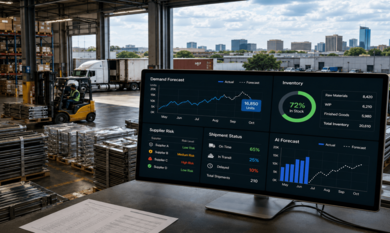
Predictive logistics analytics enables companies to anticipate future scenarios such as demand surges, weather-related delays, or route disruptions. By analyzing historical shipment data, ML systems can predict when and where potential delays might occur.
For instance, Maersk, a global shipping leader, uses predictive analytics to optimize container movement and reduce idle time at ports. This ensures smoother supply chain flow and minimizes costly delays.
Such insights are invaluable for logistics companies operating on tight schedules. They help in proactive route planning, fleet allocation, and cost forecasting, ensuring better customer satisfaction and higher profitability.
In short, predictive logistics analytics helps businesses make smarter decisions based on foresight rather than guesswork.
AI for Fleet Management: Smarter, Safer, and More Sustainable
Modern fleet management has evolved from simple tracking systems to intelligent, data-driven operations powered by AI for fleet management. Machine learning helps track vehicle health, monitor driver behavior, and forecast maintenance needs before breakdowns occur.
Companies like Ryder and XPO Logistics leverage AI-based fleet management tools to predict maintenance issues, schedule services proactively, and improve fuel efficiency. By preventing breakdowns, these systems enhance reliability and extend the lifespan of vehicles.
ML-driven fleet management systems also support sustainability goals by reducing emissions and optimizing fuel usage—creating a win-win situation for both the environment and the business.
Integration with Mobile and Cloud Platforms
To maximize efficiency, logistics companies are increasingly integrating their ML-powered systems with mobile and cloud technologies. Apps built using cross platform mobile development services Dallas allow managers and drivers to access real-time updates, track shipments, and view predictive analytics on the go.
Similarly, with KMM app development services Dallas, logistics businesses can build powerful applications that work seamlessly across Android and iOS, ensuring smooth communication between dispatchers, drivers, and clients.
These integrations enable instant data sharing, automated updates, and improved coordination across teams—key elements for maintaining efficiency in modern logistics operations.
Real-World Example: UPS’s ORION and Amazon’s Predictive Delivery
One of the most successful applications of machine learning in logistics is UPS’s ORION (On-Road Integrated Optimization and Navigation). Using real-time traffic and weather data, ORION calculates optimal routes for delivery trucks. It has helped UPS save over 10 million gallons of fuel annually and reduced its carbon emissions significantly.
Amazon, on the other hand, applies predictive analytics to forecast delivery times and optimize its global logistics network. Its AI system determines which warehouse should fulfill each order to minimize distance, fuel usage, and delivery time.
Both cases highlight how machine learning is revolutionizing logistics efficiency, sustainability, and profitability.
Benefits of Machine Learning in Logistics
Machine learning is no longer an emerging concept; it’s a must-have for companies looking to scale efficiently. The benefits include:
- Reduced fuel consumption through intelligent route optimization
- Increased delivery accuracy with predictive analytics
- Lower maintenance costs with AI-powered fleet monitoring
- Enhanced driver performance through behavioral analytics
- Improved customer satisfaction with faster and more reliable deliveries
These advantages, coupled with Smart transport analytics, Predictive route planning, and Logistics efficiency software, make machine learning indispensable for modern logistics providers.
Challenges and the Road Ahead
Despite its immense benefits, adopting ML in logistics isn’t without challenges. The primary hurdles include data quality, integration with legacy systems, and the need for skilled professionals who can interpret ML insights effectively.
However, advancements in Web, Mobile, and Cloud technologies are making these solutions more accessible and scalable. Cloud-based ML platforms enable smaller logistics firms to implement AI solutions without heavy infrastructure costs.
The future of logistics will rely on the collaboration between machine learning models and human expertise to achieve the best possible outcomes.
Conclusion
Machine learning is reshaping logistics into a smarter, faster, and more sustainable industry. From route optimization with machine learning to fuel cost reduction logistics and AI fleet optimization, the technology continues to redefine how goods move around the world.
As the industry evolves, partnering with a reliable machine learning development company in Dallas like Theta Technolabs can help businesses implement intelligent systems that enhance efficiency, reduce costs, and improve decision-making.
With expertise in Web, Mobile, and Cloud technologies, Theta Technolabs empowers logistics companies to stay competitive in a rapidly changing digital landscape.
📩 Ready to Optimize Your Logistics with Machine Learning?
Get in touch with our experts today at sales@thetatechnolabs.com to discover how ML can streamline your fleet operations, cut fuel costs, and accelerate your business growth.


























.png)


.png)





















.png)