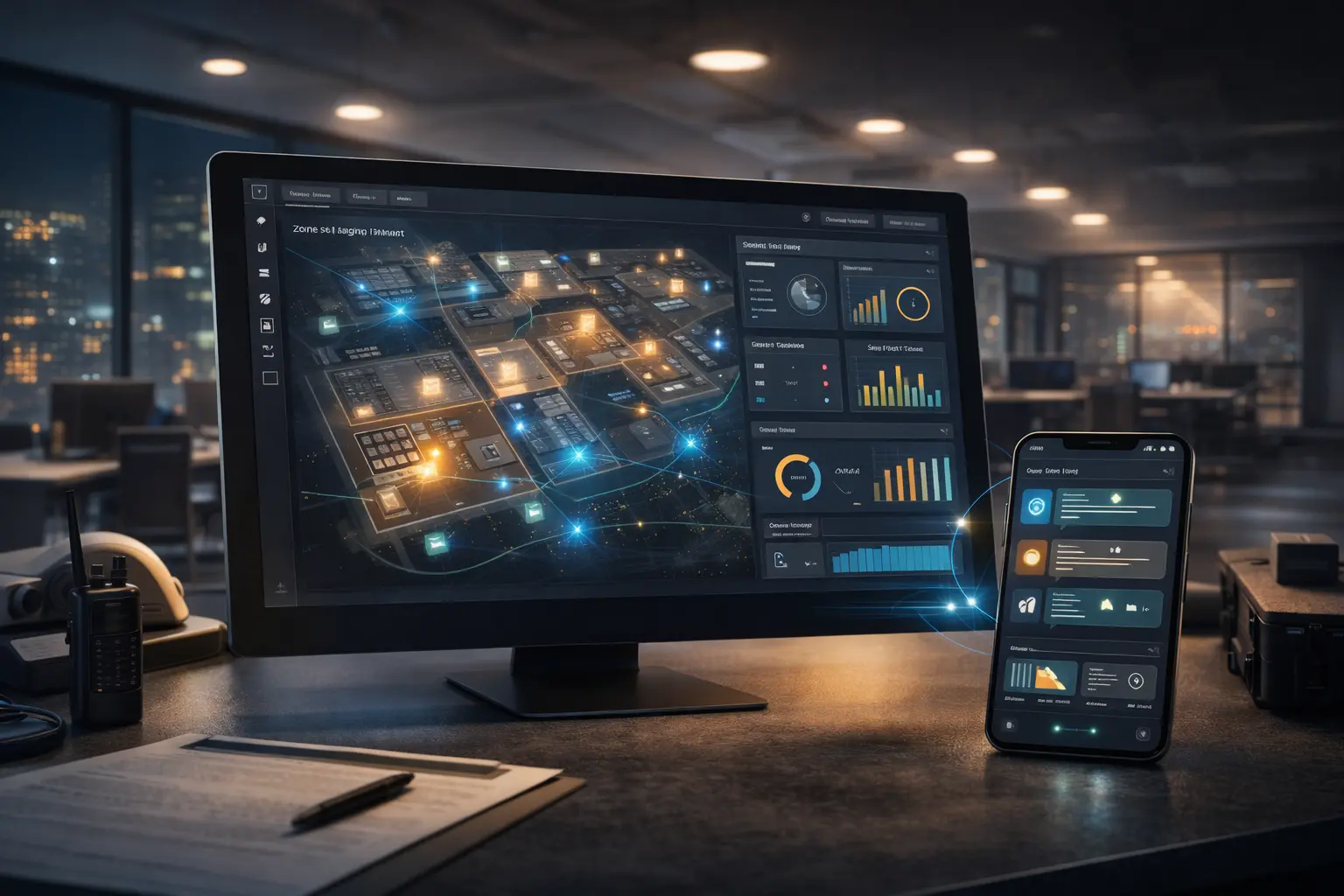
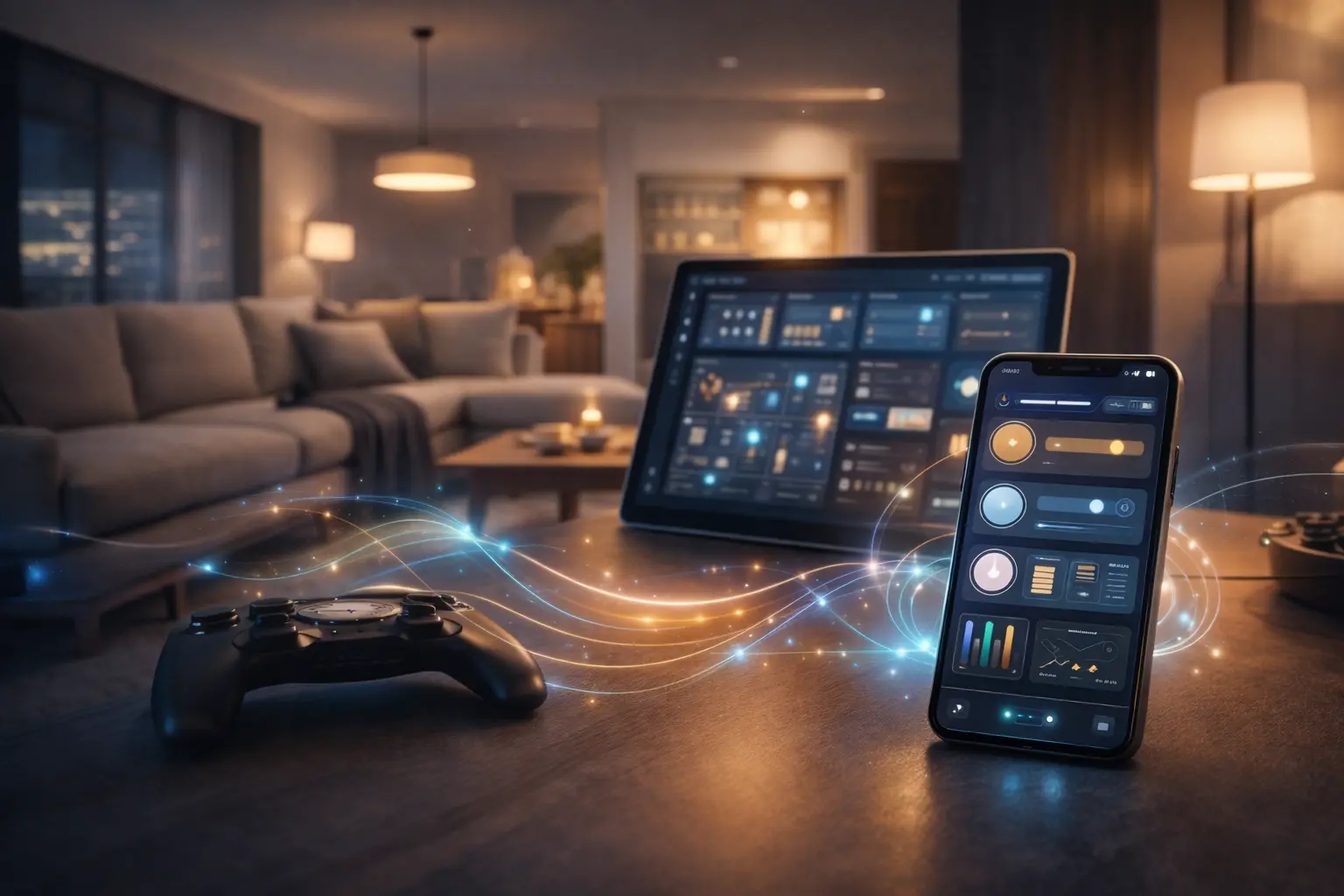
San Francisco is one of the most advanced healthcare hubs in the world and home to a rapidly growing elderly population. As people live longer, healthcare providers, assisted living facilities, and families are facing a common challenge. How can seniors receive continuous care without frequent hospital visits or constant physical supervision?
IoT wearables are emerging as a powerful solution to this challenge. Supported by IoT development services in San Francisco, wearable technology is enabling smarter, safer, and more proactive elderly care across hospitals, senior living centers, and home care environments.
The Growing Need for Smarter Elderly Care
Traditional elderly care models rely heavily on scheduled checkups and manual observation. This approach often leads to delayed responses during medical emergencies such as falls, cardiac issues, or sudden drops in vital signs.
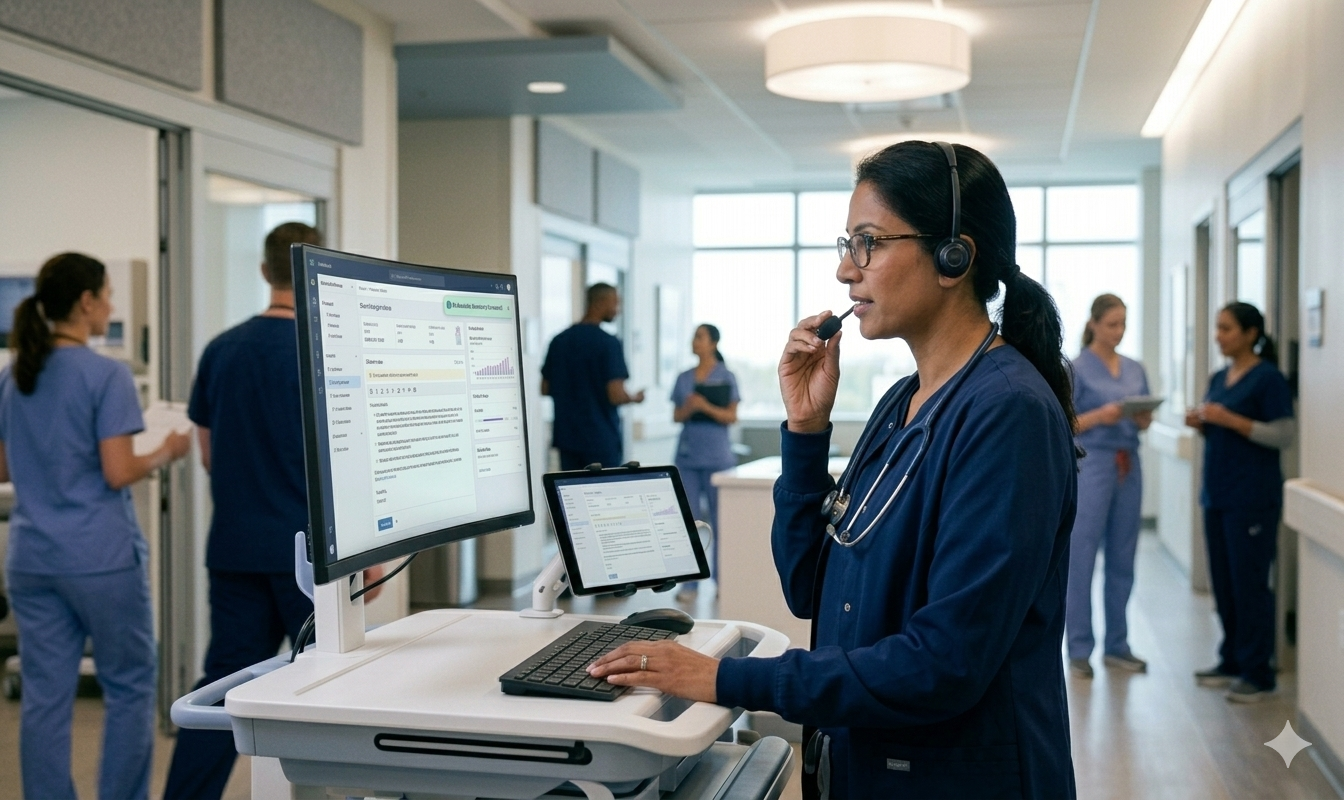
With rising healthcare costs and staff shortages, San Francisco healthcare providers are turning to elderly care technology solutions that allow continuous monitoring without compromising patient independence. IoT wearables help bridge this gap by offering real-time insights into a senior’s health condition.
How IoT Wearables Work in Elderly Healthcare
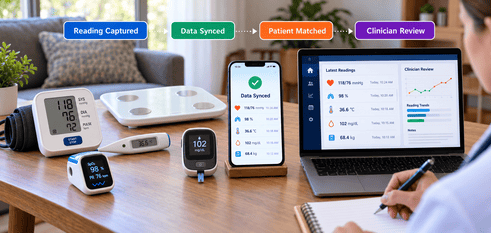
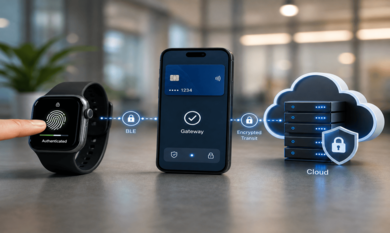
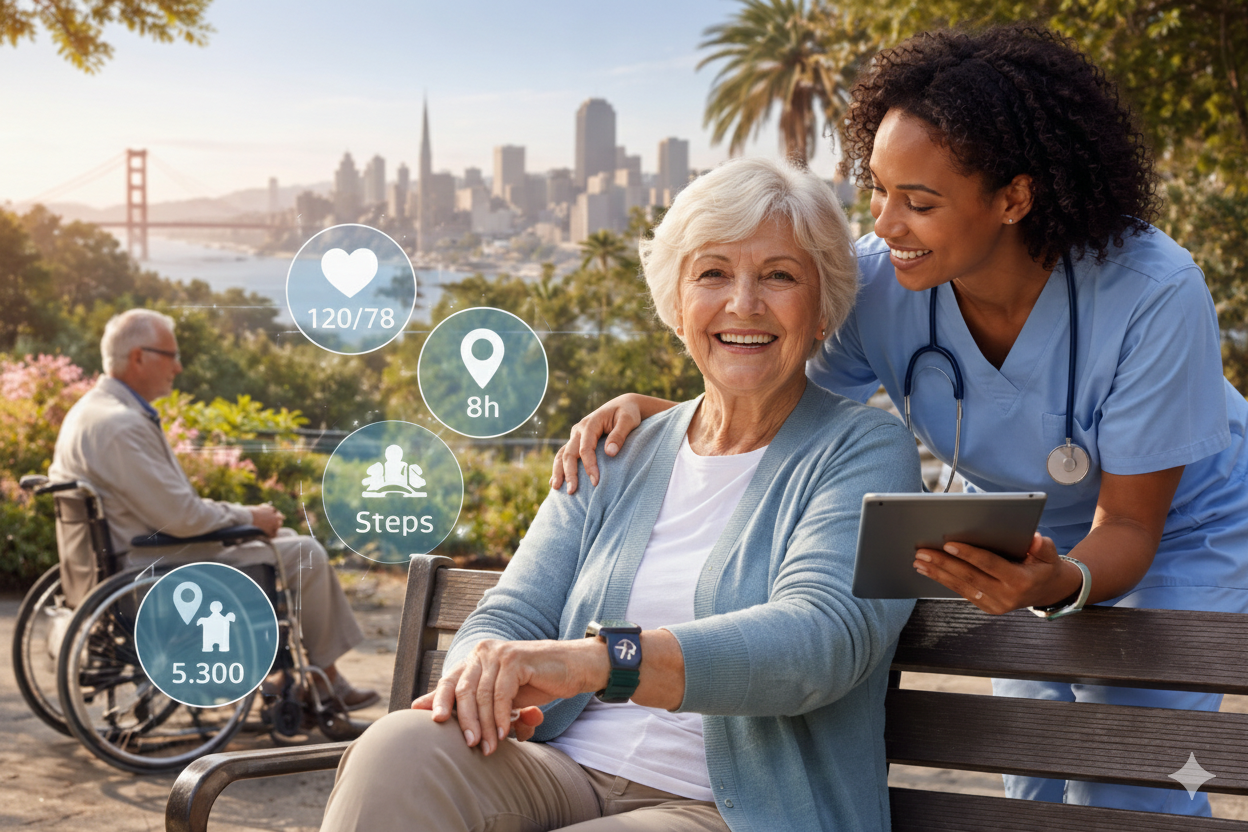
IoT wearables are lightweight devices such as smartwatches, health bands, or pendants that track and transmit health data securely to cloud-based systems.
Key Capabilities Include
- Real-time health monitoring of heart rate, blood pressure, oxygen levels, and sleep
- Wearable health sensors that track daily activity and mobility
- Fall detection systems that automatically trigger alerts
- Predictive health alerts based on abnormal patterns
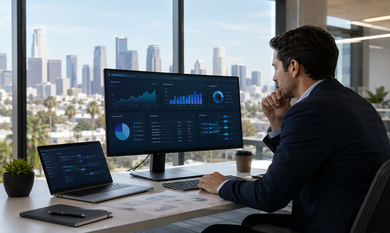
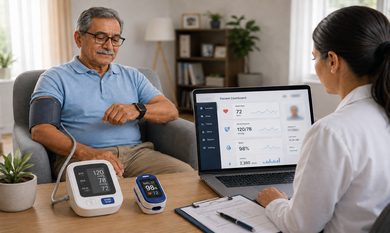
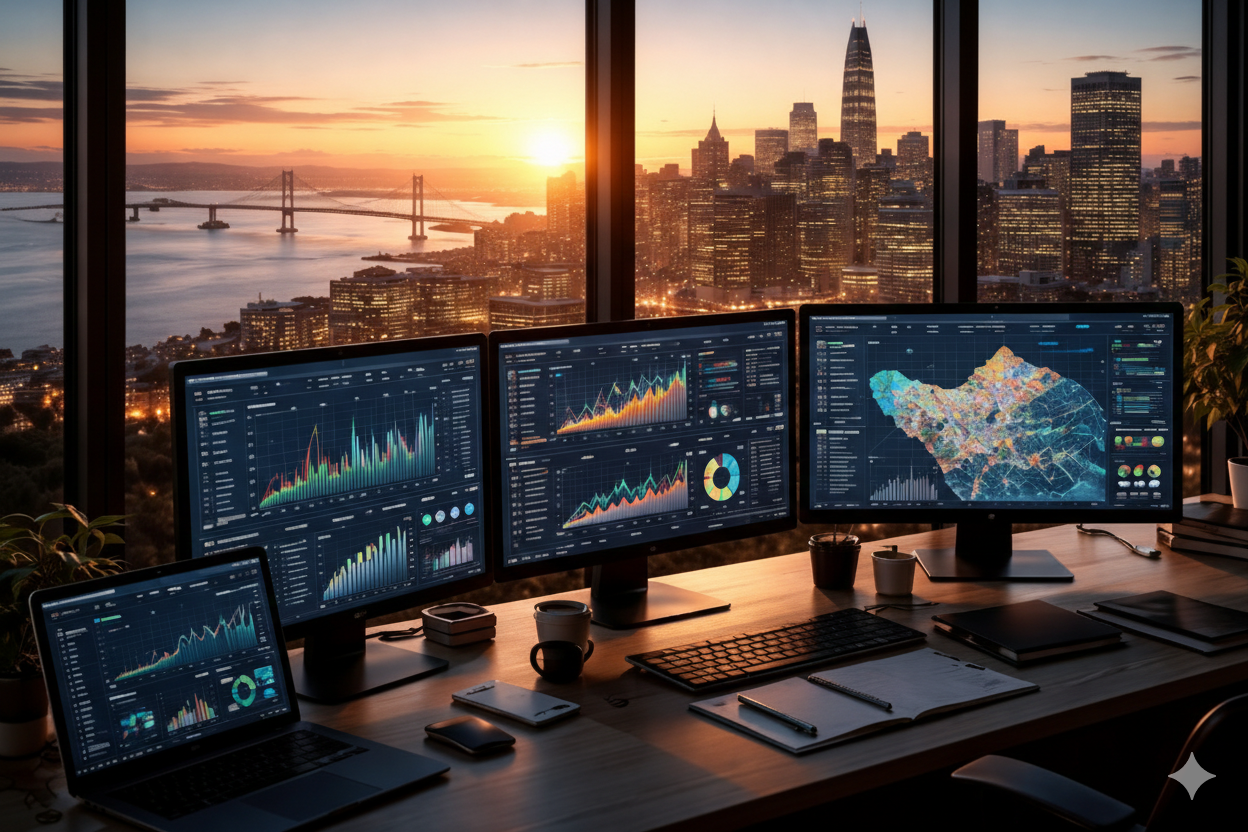
- Secure remote patient dashboards for caregivers and doctors
These devices form the foundation of smart health monitoring for elderly patients in San Francisco.
Realistic Scenario: Assisted Living Facility in San Francisco
Consider an assisted living facility in San Francisco managing over 100 senior residents. Each resident wears a connected health device linked to a centralized monitoring platform.
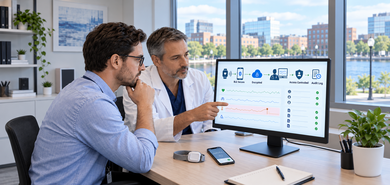
One night, the system detects irregular heart activity in a resident. A predictive health alert is triggered and sent to on-site staff and the assigned physician. Through telehealth integration, the doctor reviews the data remotely and adjusts medication before the condition worsens.
This approach reduces emergency hospital visits and improves patient safety while lowering operational stress for healthcare staff.
Fall Detection and Emergency Response
Falls remain one of the leading causes of injury among seniors. IoT wearables equipped with motion sensors and AI algorithms can instantly detect sudden impacts or unusual movement patterns.
When a fall occurs:
- Automatic alerts are sent to caregivers or emergency responders
- Location data helps teams reach the patient faster
- Response time is significantly reduced
For families and caregivers, connected health devices for seniors offer reassurance that help is always available when needed.
Remote Patient Monitoring and Telehealth Integration
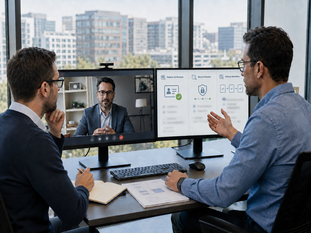
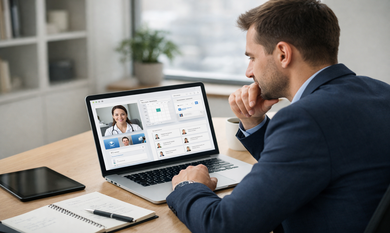
IoT wearables play a critical role in remote patient monitoring solutions in San Francisco. Instead of relying solely on in-person visits, healthcare providers can monitor patients remotely and intervene early.
Telehealth integration allows doctors to:
- Review real-time wearable data
- Conduct virtual consultations
- Adjust treatment plans without delay
This model is especially effective for managing chronic conditions such as diabetes, hypertension, and cardiac issues among elderly patients.
AI-Powered Elderly Care and Predictive Insights
Modern wearable platforms are enhanced with AI-powered elderly care capabilities. These systems analyze long-term data trends to identify potential health risks before they become serious.
For example, reduced mobility combined with sleep disturbances may indicate early cognitive decline. AI systems flag these insights, allowing caregivers and healthcare providers to take preventive action.
This data-driven approach supports personalized care plans and improves long-term outcomes for seniors.
Smart Home Healthcare Devices and Wearables
IoT wearables are increasingly integrated with smart home healthcare devices such as motion sensors, smart medication dispensers, and voice-activated emergency assistants.
Together, they create a connected care ecosystem that supports independent living while maintaining continuous supervision. This model is well suited to urban senior housing and home care setups across San Francisco.
Business Benefits for Healthcare Organizations
For B2B stakeholders, IoT wearables deliver measurable value:
- Reduced Hospital Readmissions
Early detection prevents emergencies and lowers readmission rates.
- Operational Efficiency
Automated monitoring allows healthcare teams to focus on high-risk patients.
- Data-Driven Decisions
Real-time insights improve diagnosis and treatment accuracy.
- Compliance and Reporting
Digital health records support regulatory and quality standards.
This is why many organizations are investing in IoT development services in San Francisco to build scalable and secure wearable-based platforms.
Who Is Adopting IoT Wearables in San Francisco
- Hospitals and healthcare networks
- Assisted living facilities and senior care centers
- HealthTech startups and innovators
- Caregivers and families managing elderly patients
- Data-driven healthcare organizations
- Policy makers focused on aging population solutions
Challenges and How Technology Addresses Them
Common challenges include data privacy, device usability for seniors, and system integration. These challenges are addressed through secure cloud architectures, senior-friendly device design, and seamless integration with existing healthcare platforms.
Partnering with a reliable software development company in San Francisco helps organizations overcome these barriers and deploy compliant, scalable solutions.
Why Theta Technolabs
Theta Technolabs helps healthcare organizations design and deploy intelligent elderly care platforms tailored for modern needs. With strong expertise across Web, Mobile and Cloud, the team delivers secure, scalable solutions that integrate wearables, dashboards, and analytics seamlessly.
As a trusted software development company in San Francisco, Theta Technolabs supports hospitals, senior care providers, and HealthTech startups in building future-ready connected healthcare systems.
Conclusion
IoT wearables are transforming elderly care in San Francisco by enabling continuous monitoring, early intervention, and personalized treatment. Through real-time health monitoring, fall detection systems, predictive health alerts, and telehealth integration, healthcare providers can shift from reactive care to proactive health management.
As the elderly population continues to grow, connected and AI-driven care models will play a critical role in improving patient outcomes, reducing healthcare costs, and supporting independent living at scale.
Build Smarter Elderly Care Solutions
Looking to implement or scale IoT-based elderly care solutions in San Francisco?
📩 Contact us at: sales@thetatechnolabs.com
Let’s build secure, connected, and intelligent healthcare solutions together.
Frequently Asked Questions (FAQs)
1. How do IoT wearables help in elderly care?
IoT wearables enable continuous monitoring of vital signs, detect falls, send alerts, and support remote care, improving safety and health outcomes.
2. Are IoT wearables safe for elderly patients?
Yes. Modern wearable health sensors are designed to be lightweight, non-intrusive, and secure, following healthcare data protection standards.
3. Can IoT wearables reduce hospital visits?
Yes. Early detection and predictive alerts help address health issues before they become emergencies, reducing hospital admissions.
4. Do IoT wearables work with telehealth platforms?
Yes. Most solutions support telehealth integration, allowing doctors to review data and consult remotely.
5. Who should invest in elderly care IoT solutions?
Hospitals, assisted living facilities, caregivers, HealthTech startups, and public health organizations can all benefit from these solutions.











.png)



.png)












.png)