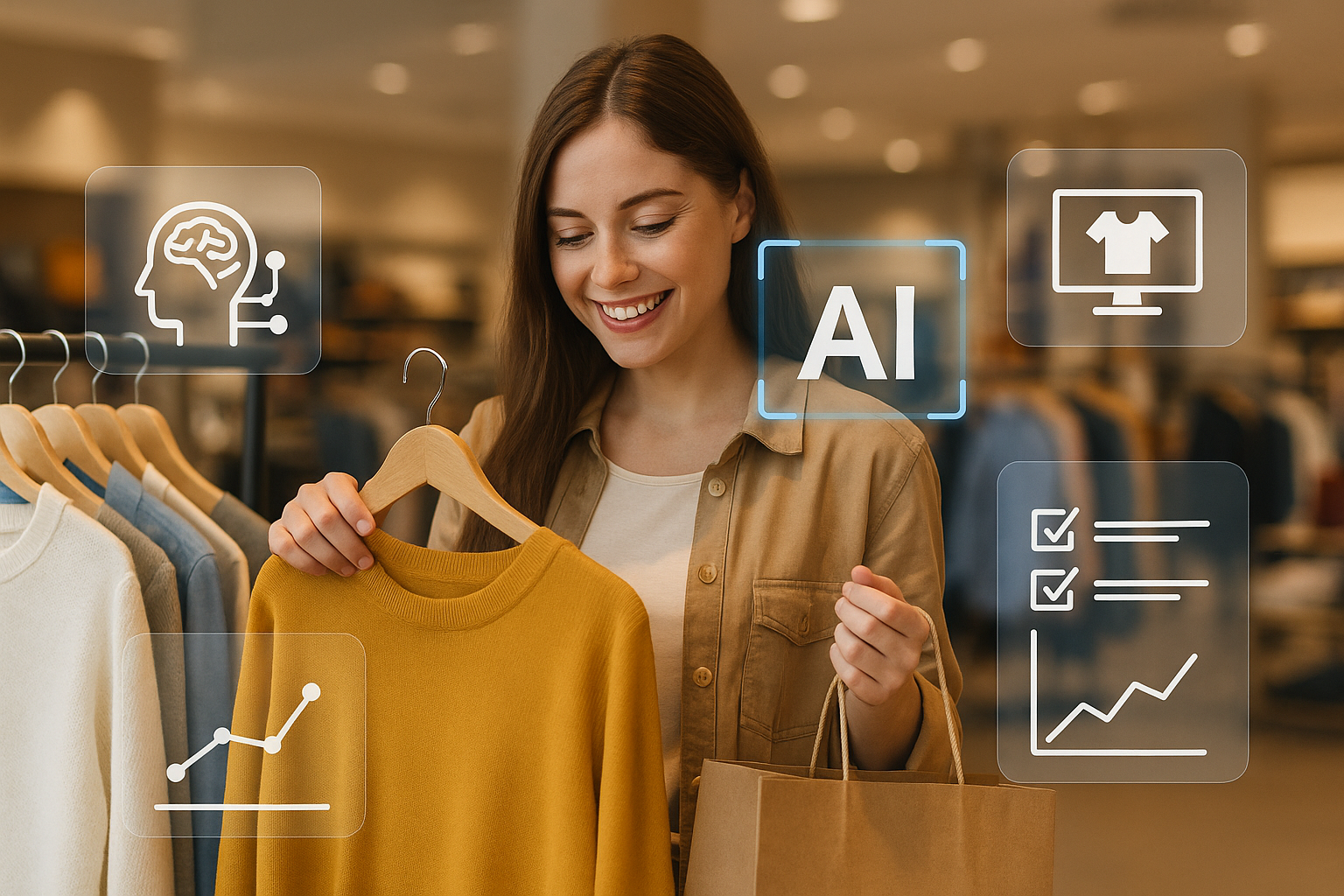


Walk into any modern retail store or open any shopping app today and you will notice something. The experience feels tailored. Products appear to match your interests. Discounts feel relevant. Suggestions seem to know exactly what you want. This is not luck. This is AI-powered personalization, the new engine transforming customer experience in retail.
Retailers are no longer competing only on product quality or pricing. They compete on experience. And the retailers that understand each customer at a personal level are the ones winning attention and loyalty. With technologies such as AI recommendation engines, Customer profiling AI, and Personalized shopping AI, businesses are creating emotionally meaningful, convenient, and highly intuitive shopping journeys.
This article explores how AI personalization retail strategies are reshaping customer engagement and why technology partners play an essential role in building these intelligent ecosystems.
Why Personalization Matters More Than Ever
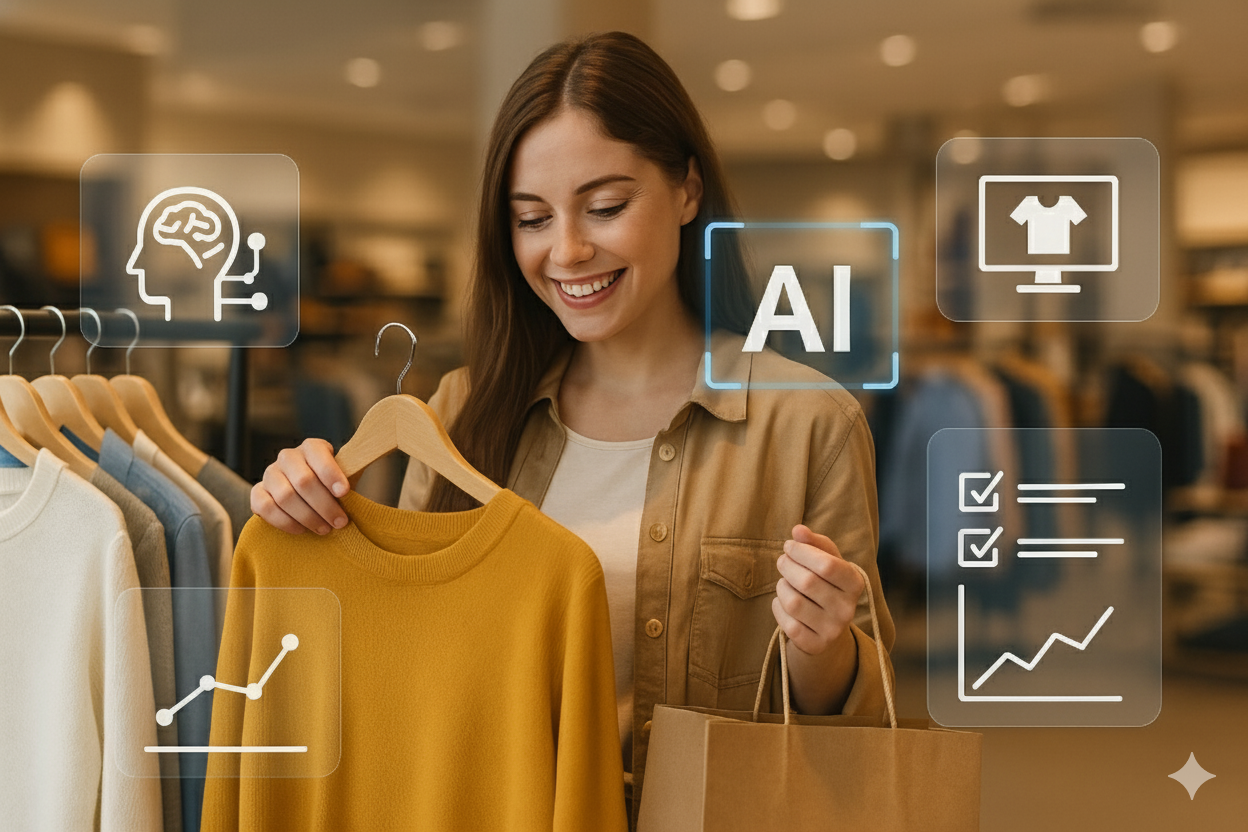
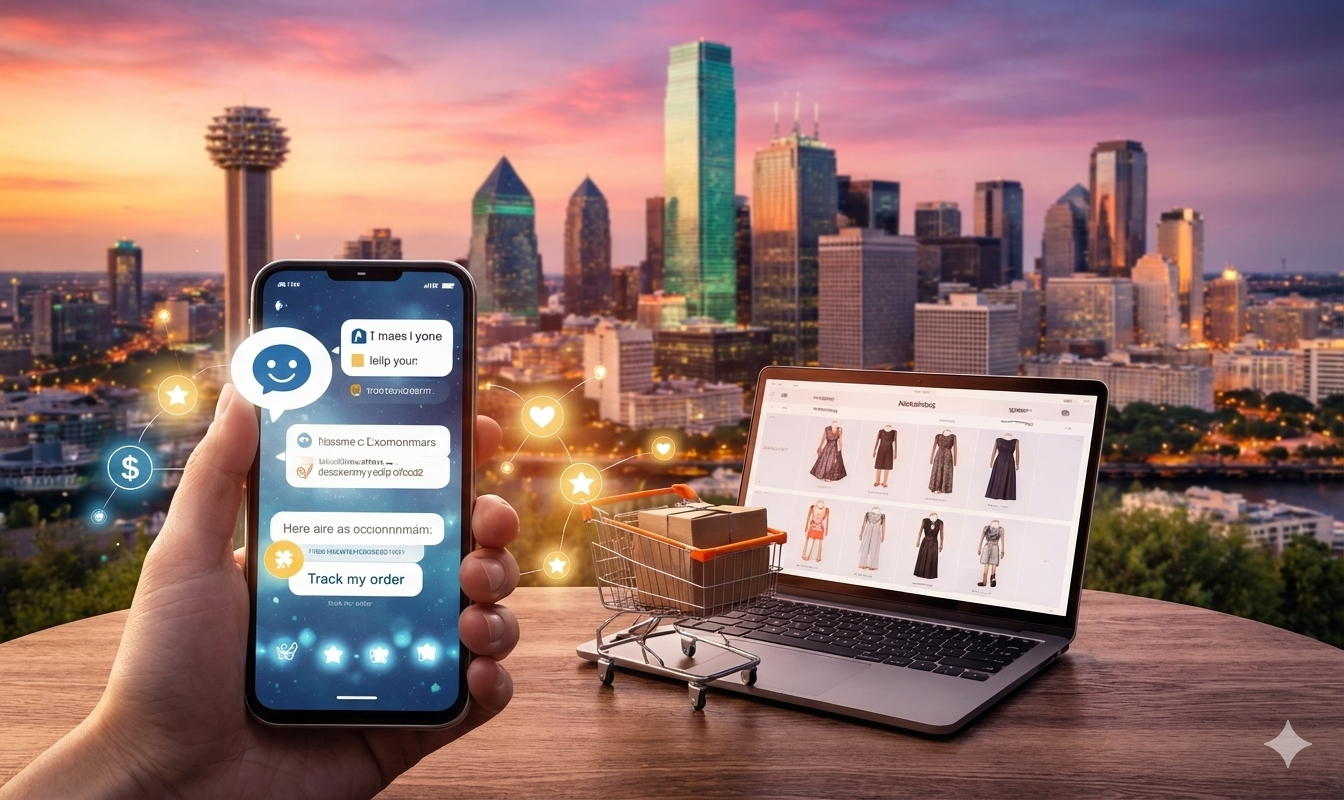
Imagine a shopper named Emma. She visits a fashion website looking for summer dresses. The next morning, she opens the app and sees a curated list of dresses in her favorite colors, matching accessories, and options in her preferred price range. She feels understood. She feels valued. She feels like the brand knows her style.
This feeling is what every retailer aims to create.
According to global consumer research, shoppers are 80 percent more likely to buy from brands that personalize experiences. AI allows retailers to do this at scale.
Real-time data, smart recommendations ai, and dynamic content delivery make shopping smoother, faster, and more enjoyable for every individual.
AI Brings Retail Experiences to Life
AI-powered personalization is not a single feature. It is an ecosystem of intelligent tools that work together. Here are some of the most impactful areas where AI transforms customer experience.
Scenario 1: Predicting What Customers Want Before They Search
A beauty brand uses AI to study past purchases, skin type surveys, browsing history, and even seasonal demand patterns. When customers enter the app, the homepage automatically adjusts to show products that align with their unique needs. A first-time user sees beginner-friendly products, while a regular customer sees premium items and loyalty bundle offers.
This is the power of customer engagement ai. Retailers no longer wait for the customer to browse. The system brings the right products forward instantly.
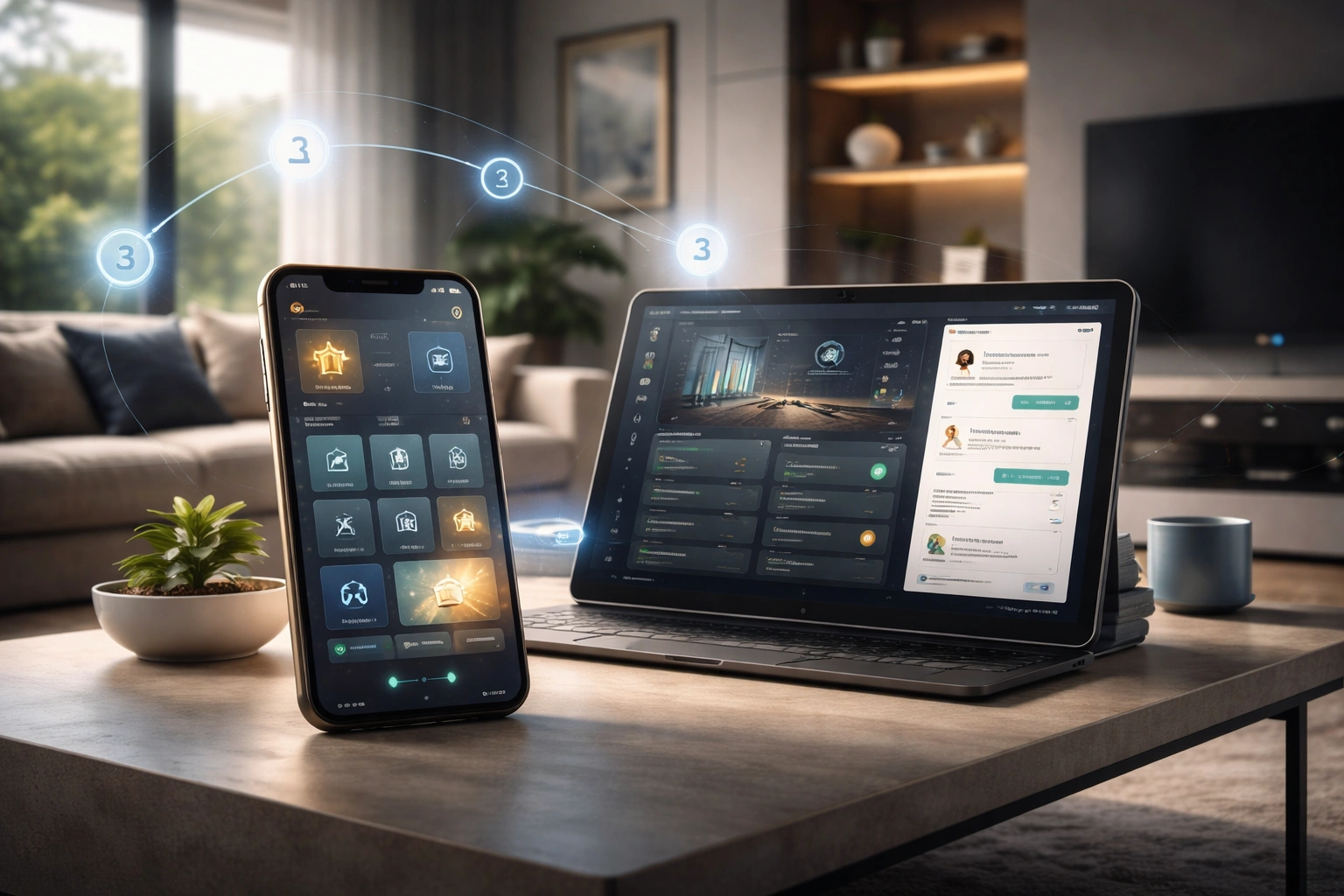
Scenario 2: Personalized Shopping Platforms That Adapt in Real Time
A user browsing a sportswear store checks running shoes but does not purchase. Later in the evening, the website retargets the user with a limited-time discount and accessories like running socks and fitness bands. This real-time shift is driven by Personalized shopping AI.
Retailers get higher conversions. Customers get help making the right choices.
Scenario 3: In-Store Personalization That Feels Effortless
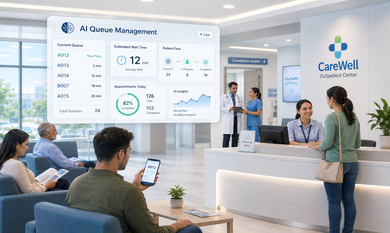
A shopper enters a physical electronics store with the brand’s app on their phone. As soon as they walk in, the app recognizes their device. It greets them and shows personalized offers based on earlier searches. This improves in-store navigation and increases the chances of product discovery.
Retail engagement platforms are now merging the physical and digital worlds to enhance convenience.
Building Intelligent Retail Systems Through AI
AI personalization is built on several foundations. Here is how different technologies contribute.
1. Understanding Customers Through AI
AI tools such as Customer profiling AI collect hundreds of micro-behaviors. For example:
- How long customers stay on a page
- What colors they prefer
- What time of day they usually shop
- Whether they compare products often
- Their average spending pattern
This helps retailers build accurate customer profiles. As a result, marketing and recommendations feel natural instead of pushy.
2. Delivering Smart Product Suggestions
Smart personalization tools look at patterns in browsing, skipped items, frequently viewed categories, and abandoned carts. They build relationships between products and behaviors. This is the heart of AI recommendation engines.
For example:
If a customer buys organic skincare, the system suggests similar clean beauty products.
If someone buys headphones, the system highlights protective cases and audio accessories.
These suggestions feel like thoughtful assistance rather than sales tactics.
3. Connecting Multiple Touchpoints Into One Unified Experience
Modern shoppers move between platforms. A customer may:
- Browse products on the website
- Add items to the cart on a mobile app
- Complete the purchase in-store
Personalized shopping platforms unify these touchpoints. AI ensures the journey feels smooth and consistent no matter where the customer goes.
Some retailers use technologies like custom healthcare software solutions dallas if their retail business involves wellness, supplements, or health-based offerings. Others use platforms built by a node js web development company dallas to ensure their retail systems are fast, real-time, and scalable.
Real-Life Example: Improving User Engagement in 30 Days
A mid-scale apparel brand struggled with low engagement on its mobile app. Customers browsed products but rarely purchased. The retailer integrated an AI personalization layer that analyzed user behavior and sent relevant product recommendations.
After 30 days, results like the following can be achieved:
- Repeat visits can increase by up to 45 percent
- Cart abandonment can decrease by around 22 percent
- Average order value can rise by approximately 31 percent
These improvements show what becomes possible when customers receive the right recommendations at the right moment.
Example: Personalized Emails That Convert Better
A home décor store wanted to improve email marketing. Instead of sending the same newsletter to everyone, AI segmented customers and generated personalized suggestions.
Emails changed from:
"New Décor Arrivals"
to
"New Lamps That Match Your Minimalist Style"
Conversion rates doubled.
This shows the impact of using AI-powered insights instead of broad assumptions.
Why Retailers Need Strong Technology Partners
AI personalization requires robust infrastructure, scalable architectures, and clean data. Retailers often rely on specialized development partners to build these systems.
From backend platforms to mobile apps and cloud dashboards, every layer must support real-time data flow and personalization logic. This is where development partners become crucial.
The Future of AI Personalization in Retail
AI will soon take personalization even further. Here are upcoming capabilities retailers are preparing for:
- Virtual try-ons that understand customer body type preferences
- Automated styling based on lifestyle analysis
- Voice-based product discovery that adapts to user personality
- Emotion-aware product suggestions
- Smart inventory adjustments based on predicted demand
In the next decade, every part of retail will be shaped by intelligent personalization.
Conclusion
AI-powered personalization is transforming retail by making every interaction meaningful, relevant, and customer-first. It helps brands improve loyalty, drive repeat purchases, and create seamless journeys across digital and physical channels. For retailers ready to build data-driven experiences, the right technology partner plays a key role.
Theta Technolabs supports this evolution with strong Web, Mobile and Cloud expertise. The company helps businesses implement advanced AI engines, customer insight platforms, and intelligent recommendation systems that enhance retail performance. With specialized capabilities such as AI development services dallas, Theta Technolabs enables brands to stay competitive in a rapidly evolving retail landscape.
Build Intelligent Retail With AI-Powered Personalization
Create smarter, more intuitive, and customer-first retail ecosystems with advanced AI solutions. Email us at sales@thetatechnolabs.com
FAQs
1. How does AI improve customer experience in retail?
AI analyzes customer behavior, preferences, and purchase patterns to deliver personalized product recommendations, tailored offers, and relevant content. This creates a more engaging and satisfying shopping experience.
2. What types of data are used for AI-powered personalization?
AI systems use browsing history, purchase records, demographics, app interactions, loyalty data, and real-time behavior to build accurate customer profiles.
3. Can AI personalization work in both online and physical stores?
Yes. Retailers use apps, beacons, kiosks, and smart in-store displays to deliver personalized recommendations and offers during in-store visits.
4. Is AI personalization difficult to integrate with existing retail systems?
With the right technology partner, AI can be integrated into existing apps, POS systems, CRM platforms, and inventory systems. Scalable architectures make deployment smoother.
5. Why should retailers invest in AI personalization now?
Customer expectations are rapidly shifting. Brands that adopt AI can improve engagement, increase conversions, boost loyalty, and stay competitive in a digital-first retail environment.














.png)



.png)

















.png)












.png)


.png)



.png)