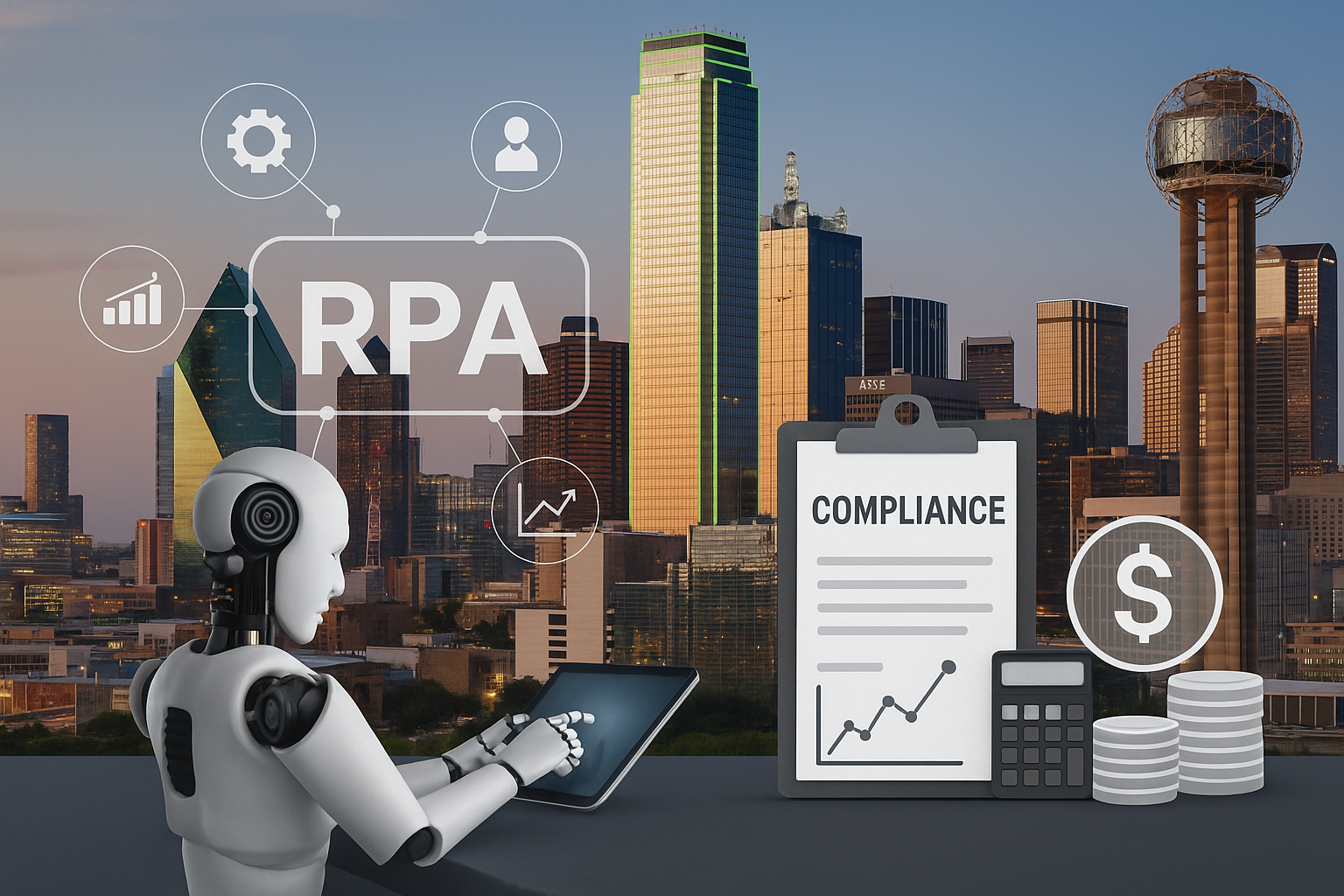


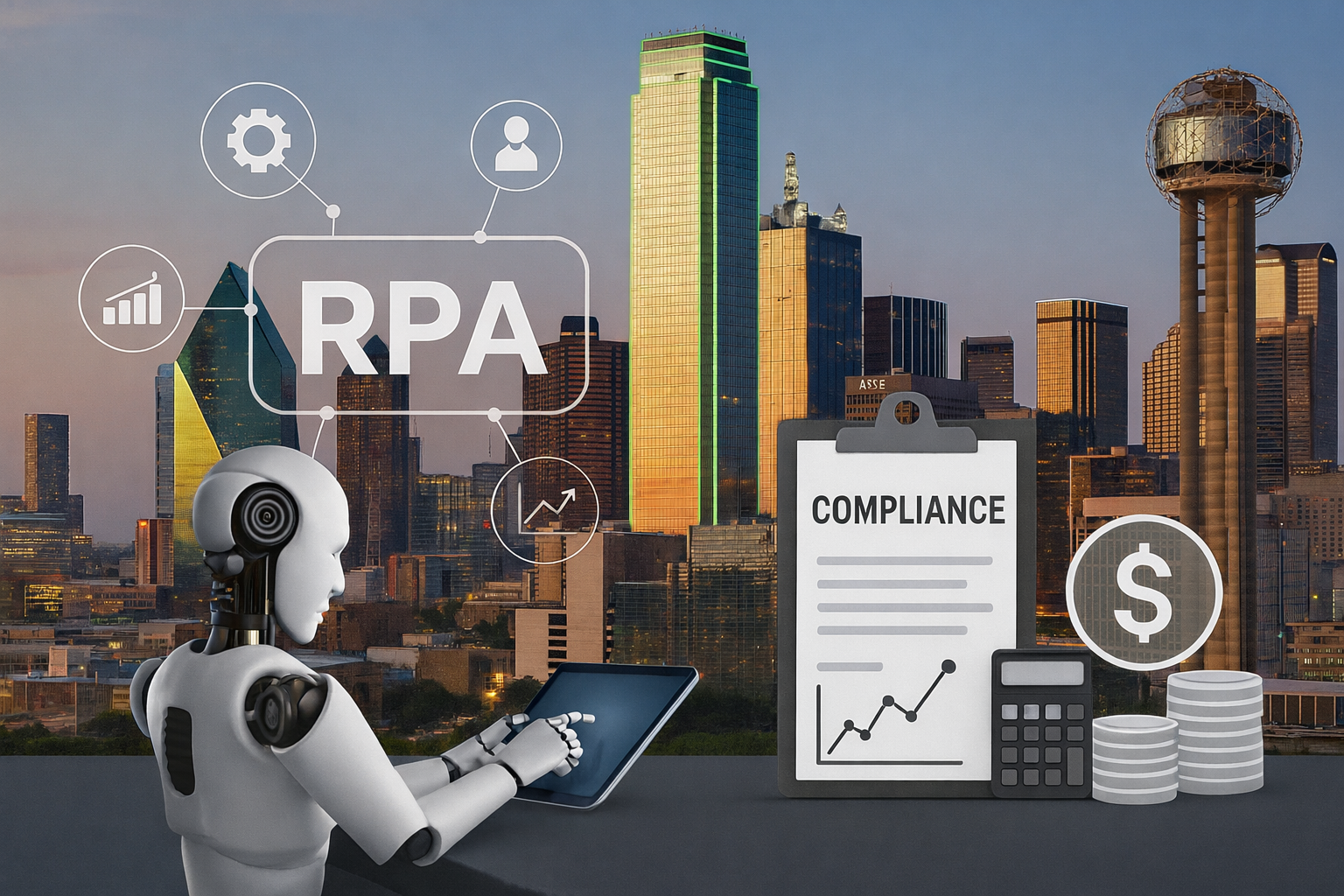
The fintech industry is rapidly evolving, with startups in Dallas leading the way in digital banking, payment solutions, and financial services innovation. However, along with opportunities come regulatory challenges. Financial compliance is a complex, ongoing process that requires meticulous attention to detail. Mistakes can lead to heavy fines, reputational damage, and operational disruptions.
This is where Robotic Process Automation (RPA) comes in. By integrating RPA into fintech operations, startups can automate repetitive tasks, reduce human error, and maintain compliance efficiently. Fintech automation solutions Dallas are now becoming critical tools for scaling businesses while adhering to stringent financial regulations.
Understanding RPA and Its Role in Financial Compliance
RPA involves using software bots to automate repetitive, rule-based tasks. Unlike traditional automation, RPA can mimic human interactions with systems, software, and databases without altering existing infrastructure.
In the context of fintech, RPA helps in:
- Regulatory Reporting Automation: Ensuring timely, accurate submission of reports to regulators.
- Digital KYC Automation Dallas: Automating Know Your Customer checks to meet compliance standards.
- Fraud Detection and Monitoring: Identifying unusual transactions or patterns automatically.
By adopting intelligent process automation for finance, fintech startups can ensure their operations are not only faster but fully compliant with federal and state regulations.
Key Benefits of RPA for Fintech Compliance
1. Improved Accuracy and Reduced Human Error
Financial compliance requires precision. Manual processing of transactions, KYC checks, or regulatory reports often leads to errors. RPA bots execute tasks with 100% accuracy, significantly reducing compliance risks.
Example: A Dallas-based payment startup automated account verification and transaction monitoring with RPA, eliminating errors that previously delayed reporting.
2. Faster Regulatory Reporting
Startups must submit reports to regulators such as the SEC, FinCEN, or the CFPB. Automated financial workflows powered by RPA reduce processing time from days to hours.
- Bots can extract data from multiple sources.
- Validate information automatically.
- Submit reports in standardized formats without manual intervention.
This not only ensures compliance but also improves transparency and audit readiness.
3. Cost Efficiency
Hiring additional staff to handle compliance and reporting can be expensive for startups. RPA reduces dependency on manual labor for repetitive tasks, allowing employees to focus on strategic initiatives. Over time, cost savings can be substantial, making RPA a smart investment for fintech startups looking to scale.
4. Enhanced KYC and AML Processes
KYC (Know Your Customer) and AML (Anti-Money Laundering) compliance are critical for fintech operations. Manual verification can be slow and prone to errors. RPA enables digital KYC automation Dallas, where bots:
- Verify customer identities against databases.
- Screen for sanctions lists.
- Flag suspicious transactions in real time.
Example: A Dallas-based neobank reduced KYC verification time by 60% and improved compliance scores using RPA.
5. Real-Time Monitoring and Audit Trails
RPA bots log every action they perform, creating a digital audit trail. This is essential for regulators and internal audits. Startups gain the ability to monitor compliance processes in real-time and generate reports on demand.
Process automation software ensures that compliance remains proactive rather than reactive, minimizing risk exposure.
Implementation Strategies for Dallas Fintech Startups
1. Identify High-Risk Processes
Start by mapping processes prone to errors or delays, such as transaction reconciliation, KYC checks, and regulatory reporting. Focus on tasks that are repetitive, rules-based, and time-consuming.
2. Choose the Right RPA Platform
Startups can leverage RPA platforms like UiPath, Automation Anywhere, or Blue Prism. For more tailored solutions, collaborating with a RPA consulting services Dallas firm ensures the automation strategy aligns with business goals and compliance requirements.
3. Integrate with Existing Systems
RPA bots should integrate seamlessly with current fintech platforms, accounting software, and CRM systems. This ensures smooth workflows without disrupting existing processes. Integration is key to leveraging digital compliance in fintech effectively.
4. Monitor and Optimize Performance
Once deployed, continuously monitor bot performance. Refine workflows and update automation scripts as regulations or business needs evolve. Regular optimization ensures maximum efficiency and compliance.
5. Leverage Data Analytics
RPA can feed into analytics platforms, providing insights on compliance trends, risk areas, and operational efficiency. This empowers fintech startups to make data-driven decisions while maintaining regulatory adherence.
Real-World Examples of RPA in Fintech
- Square: Uses automation tools to streamline financial reporting and maintain compliance across multiple states.
- Robinhood: Implements automated workflows to manage compliance with trading and reporting regulations.
- Chime: Uses bots to enhance KYC and AML processes, reducing onboarding time while ensuring regulatory adherence.
These examples demonstrate that RPA is not just a cost-saving tool—it is essential for operational resilience and compliance in the fintech industry.
Technologies Driving RPA in Fintech
RPA in fintech often leverages advanced technologies such as AI, machine learning, and cloud computing. Partnering with a node js web app development company Dallas or utilizing ai software development services Dallas can help integrate RPA with fintech platforms for maximum efficiency.
By building RPA fintech compliance tools, startups can automate tasks such as transaction monitoring, regulatory reporting, and KYC verification while ensuring scalability for growth.
Conclusion
RPA is transforming how fintech startups in Dallas approach financial compliance. By automating repetitive tasks, enabling real-time monitoring, and improving accuracy, RPA allows businesses to focus on innovation while maintaining regulatory adherence. Theta Technolabs, a trusted provider of Web, Mobile and Cloud solutions, helps startups implement RPA development company in Dallas strategies tailored to their compliance needs. With expertise in *, we create intelligent, scalable fintech automation solutions that ensure efficiency, accuracy, and regulatory compliance.
Enhance Your Fintech Compliance with RPA Today
For consultation or to implement automated, compliant, and efficient RPA solutions:
📧 Email us: sales@thetatechnolabs.com
FAQs
1. What is RPA, and how does it help fintech startups?
RPA, or Robotic Process Automation, uses software bots to automate repetitive, rule-based tasks. For fintech startups, it streamlines compliance, reporting, and KYC processes while reducing errors.
2. How does RPA ensure regulatory compliance in finance?
RPA bots follow predefined rules and maintain digital audit trails. This ensures accurate regulatory reporting, fraud monitoring, and adherence to KYC and AML regulations.
3. Can RPA reduce operational costs for fintech companies?
Yes. By automating repetitive tasks like transaction monitoring, reporting, and customer verification, fintech startups save time and reduce the need for additional staff.
4. What fintech processes are ideal for RPA automation?
Processes like digital KYC automation Dallas, transaction reconciliation, regulatory reporting, and fraud detection are perfect candidates for RPA implementation.
5. How quickly can a Dallas fintech startup implement RPA?
Implementation speed depends on the complexity of existing workflows. Many startups can deploy bots for specific processes within weeks, while full-scale automation may take a few months.



























.png)






.png)


























.png)

























.png)


.png)



.png)