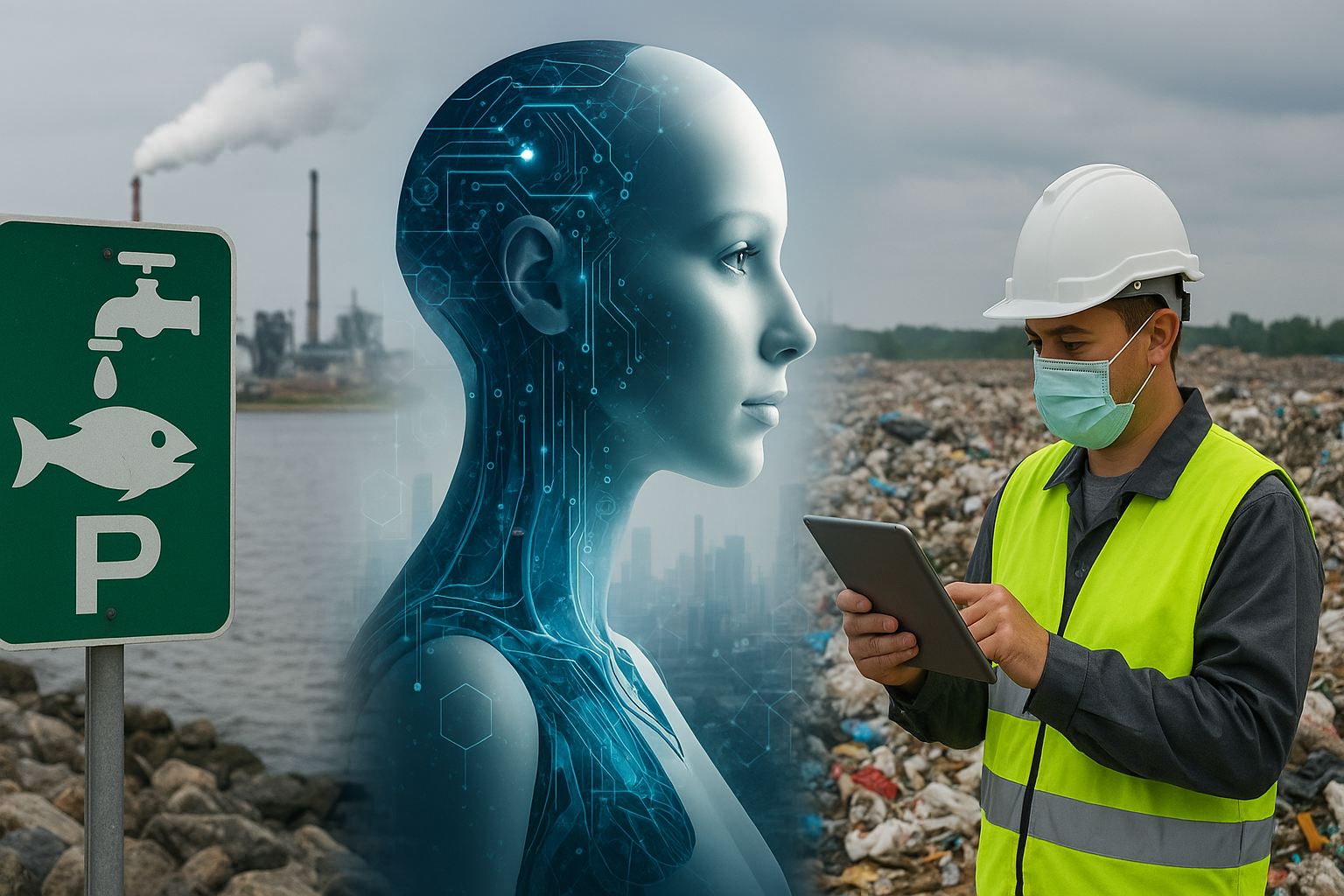


Environmental challenges are increasing across cities, industries, and communities. Rising pollution levels, growing waste volumes, and tightening sustainability regulations are pushing organizations to find smarter and faster solutions to monitor, predict, and control environmental risks. Artificial Intelligence is emerging as a powerful tool to support governments, enterprises, and environmental agencies in ensuring cleaner and safer surroundings.
Modern AI tools provide real-time insights, identify pollution patterns, forecast environmental threats, and optimize waste handling processes. This makes AI environmental monitoring more reliable, cost efficient, and future ready. With increasing adoption across manufacturing, oil and gas, smart cities, and environmental departments, the shift to intelligent eco management is already transforming the way sustainability goals are achieved.
Why AI Matters for Pollution and Waste Monitoring
Traditional monitoring processes rely on manual inspections, sampling, and periodic reporting. These methods are slow and cannot capture rapid environmental changes. AI helps overcome these limitations by enabling continuous analysis, automated measurements, and predictive insights.
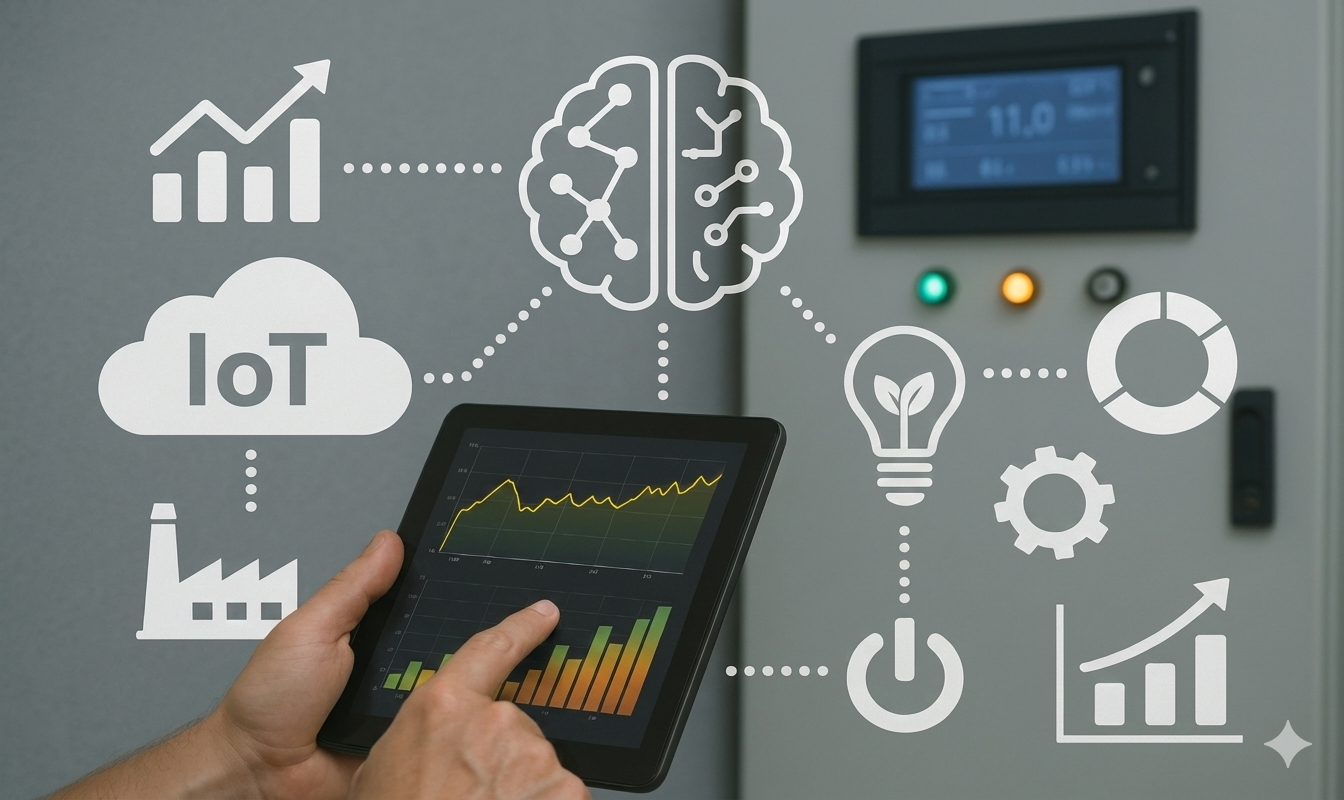
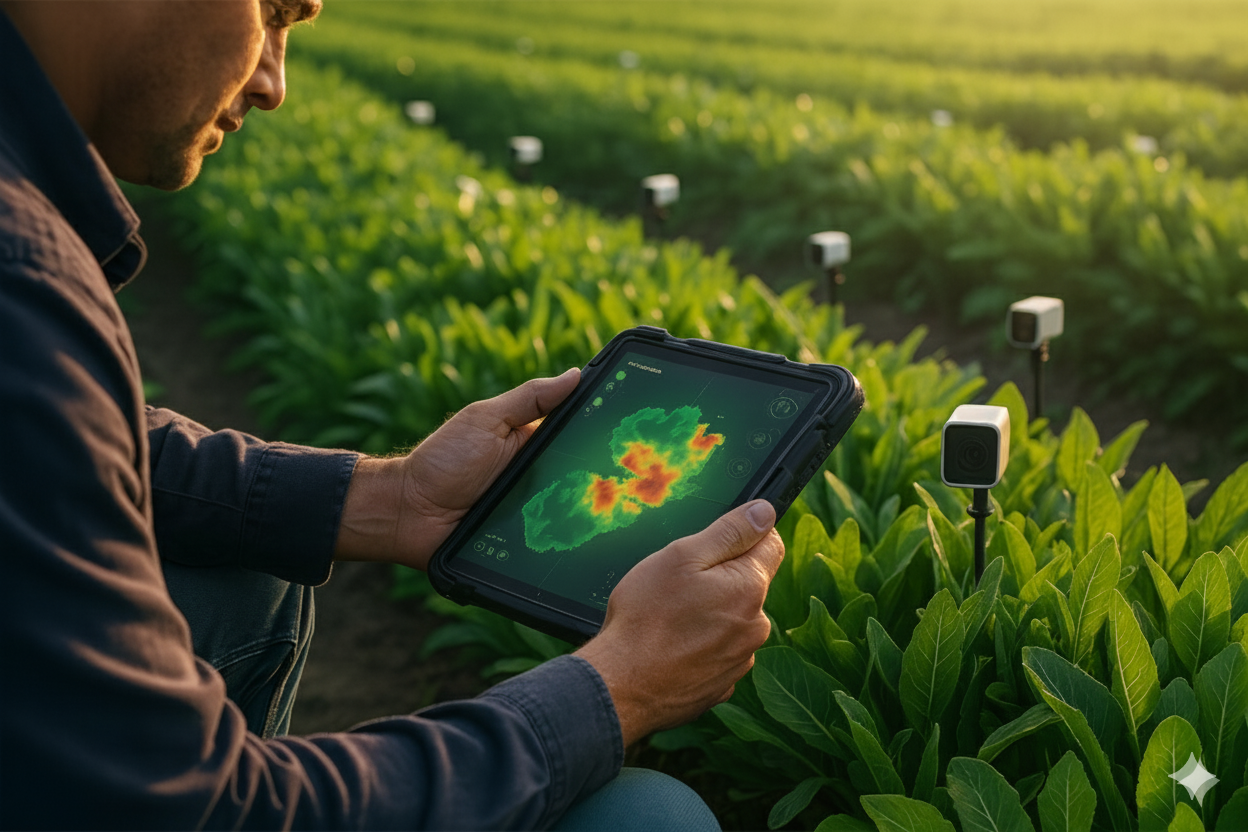
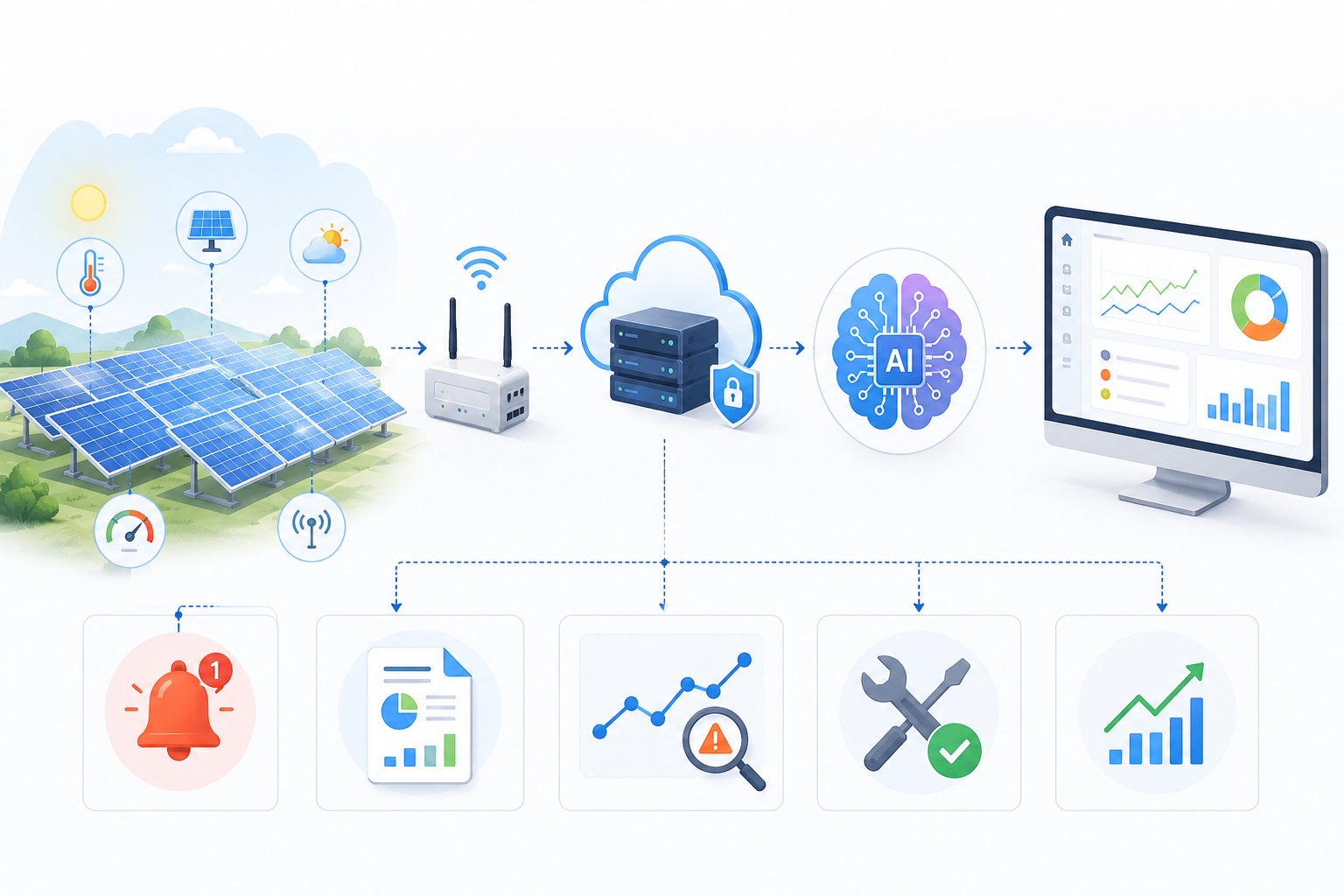
Organizations today are deploying smart sensors, IoT systems, and intelligent analytics software to collect and evaluate massive volumes of environmental data. Machine learning models can detect unusual pollution spikes, classify waste types, measure air quality levels, and automate compliance reporting. This creates faster responses and more accurate decisions.
AI also supports better planning for long-term sustainability. With complete visibility into emission sources, landfill activities, or waste production trends, businesses can forecast future risks and redesign processes to stay compliant and reduce their environmental footprint.
How AI Tracks Pollution in Real Time
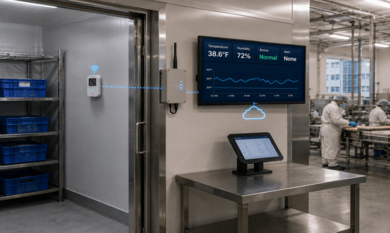
Pollution levels vary rapidly based on numerous factors such as weather, industrial activities, traffic, and seasonal emissions. AI based pollution tracking systems continuously collect air, water, and soil data and analyze them at high frequency.
Air Quality AI Tracking
AI powered platforms link to air sensors, satellite data, and weather systems to monitor pollutants like CO2, PM2.5, sulfur dioxide, and nitrogen oxides. Models compare present conditions against historical and regulatory standards to identify threats early.
Early Detection of Pollution Hotspots
AI identifies where pollution is likely to escalate and alerts environmental teams instantly. This is especially helpful in industrial zones, construction areas, and dense urban locations.
Predictive Pollution Forecasting
Machine learning models learn from past patterns to predict pollution levels for the next hours or days. These insights help governments issue health advisories, industries adjust production timelines, and citizens plan safer travel times.
Real Example:
Cities like Singapore and Amsterdam use smart pollution monitoring platforms that integrate AI environmental monitoring to stay compliant with air quality regulations and improve public health strategies.
Machine Learning for Waste Management and Recycling
Managing waste has become one of the biggest operational challenges for both private organizations and municipal authorities. AI improves each stage of the waste management life cycle from collection to segregation to recycling.
Smart Waste Management Tools
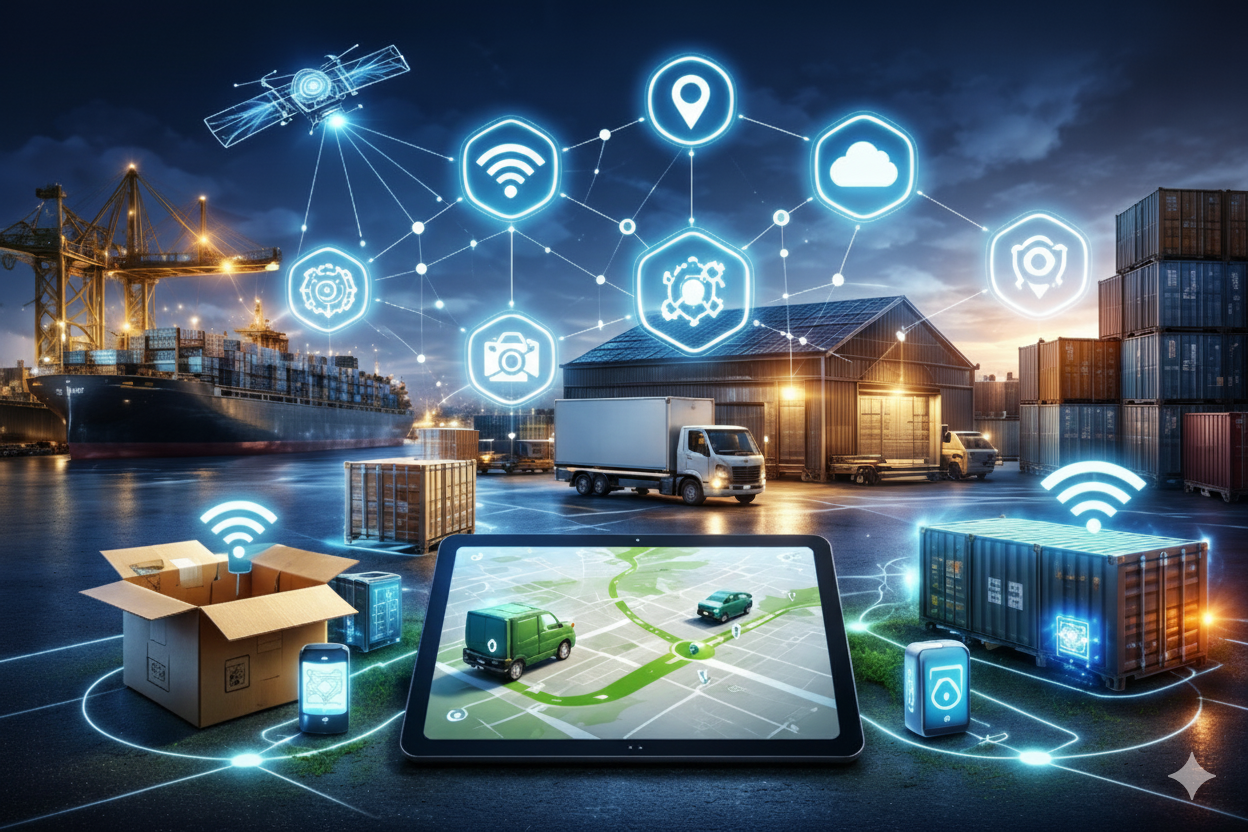
AI integrated IoT bins send alerts when they are full, helping waste collection teams plan optimized routes. This reduces fuel costs, improves scheduling, and reduces missed pickups.
Waste Segmentation and Sorting
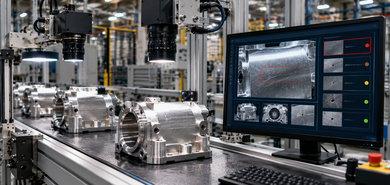
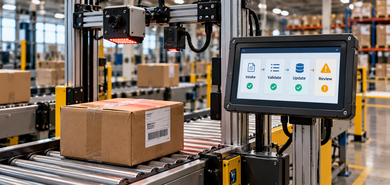
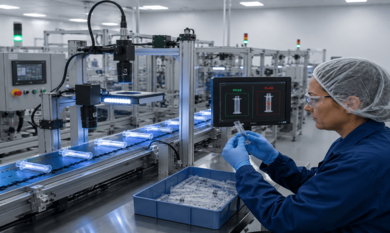
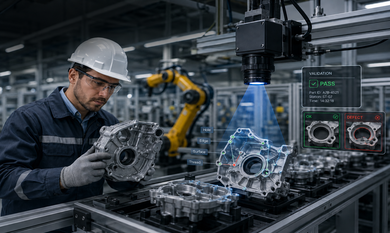
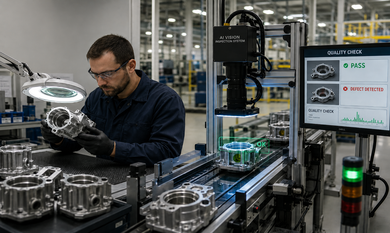
Computer vision models classify waste items in real time. Whether it is plastic, metal, organic waste, or hazardous material, smart recycling facilities use intelligent sorting machines to reduce manual labor and increase efficiency.
Operational Optimization in Recycling Plants
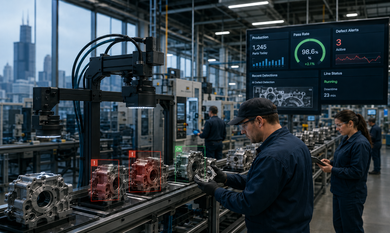
Machine learning models analyze throughput, contamination levels, and equipment performance to maintain steady processing speeds.
Example:
Recycling companies in Scandinavia use AI powered eco analytics to increase material recovery rates and reduce landfill waste by using automated sorting belts paired with robotic arms.
AI Driven Sustainability for Industries
Industries generate large volumes of emissions and waste. By integrating smart sustainability solutions, businesses can monitor waste generation, track carbon footprints, and automate compliance reporting.
Energy and Resource Optimization
AI models measure energy consumption, detect leakage patterns, and suggest corrective actions to reduce carbon output.
Automated Reporting and Compliance
Large organizations use AI to generate sustainability reports quickly and accurately. Platforms help maintain compliance with environmental laws and certifications.
Incident Prevention
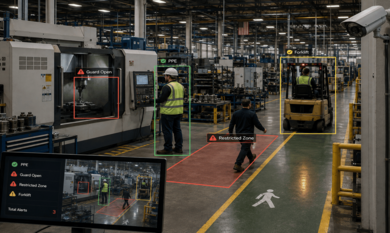
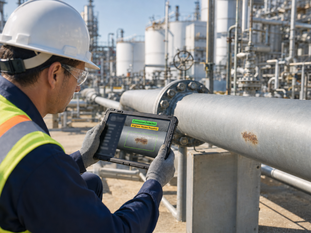
Real-time alert systems notify operators of sudden gas leaks, chemical spills, or hazardous emissions.
Pollution Monitoring Platforms for Smart Cities
Smart cities are increasingly deploying AI to improve environmental health. These platforms combine IoT sensors, drone data, and satellite imagery to offer a unified environmental risk management solution.
AI Crowd Monitoring for Public Spaces
Some cities use AI monitoring public safety tools to track large crowds and ensure compliance with pollution rules during high traffic events.
Urban Surveillance Solutions
City agencies integrate environmental analytics into their surveillance systems to detect smog density, illegal waste dumping, and industrial discharge.
Smart City Monitoring Tools
These platforms serve as central dashboards that city planners use to understand environmental quality and optimize public health policies.
Sustainability Benefits for Enterprises
AI brings measurable improvements for businesses that aim to stay green and compliant.
- Lower waste disposal and recycling costs
- Reduced penalties from environmental violations
- Accurate carbon footprint tracking
- Better brand reputation and sustainability leadership
- Improved energy efficiency and operational productivity
These benefits help companies contribute to environmental protection while maintaining profitability.
Real-World Case Study: AI Monitoring in Waste Operations
EcoCycle Renewals, a North American waste management company, implemented AI driven waste sorting machines across their recycling centers. With machine learning systems analyzing waste types, the company reduced contamination levels by 22 percent and increased recycling accuracy by 30 percent.
Their smart waste management solution also automated reporting, allowing the team to demonstrate compliance with regional environmental authorities. This success encouraged EcoCycle Renewals to expand AI monitoring to landfill operations for better methane emission tracking.
Conclusion
If your business is exploring opportunities to automate eco monitoring, optimize waste operations, or build predictive pollution systems, Theta Technolabs offers scalable and future-ready technologies. As a leading provider supporting transformation through AI, we also deliver end-to-end solutions supported by machine learning development services in Dallas for innovative sustainability initiatives.
Looking to build AI powered environmental monitoring systems for your organization
Theta Technolabs can help you integrate intelligent solutions designed to support cleaner, greener, and safer operations. Our team specializes in Web, Mobile, and Cloud development, combined with advanced AI capabilities to deliver impactful results.
For consultations or project discussions, contact us at: sales@thetatechnolabs.com































.png)




.png)























.png)