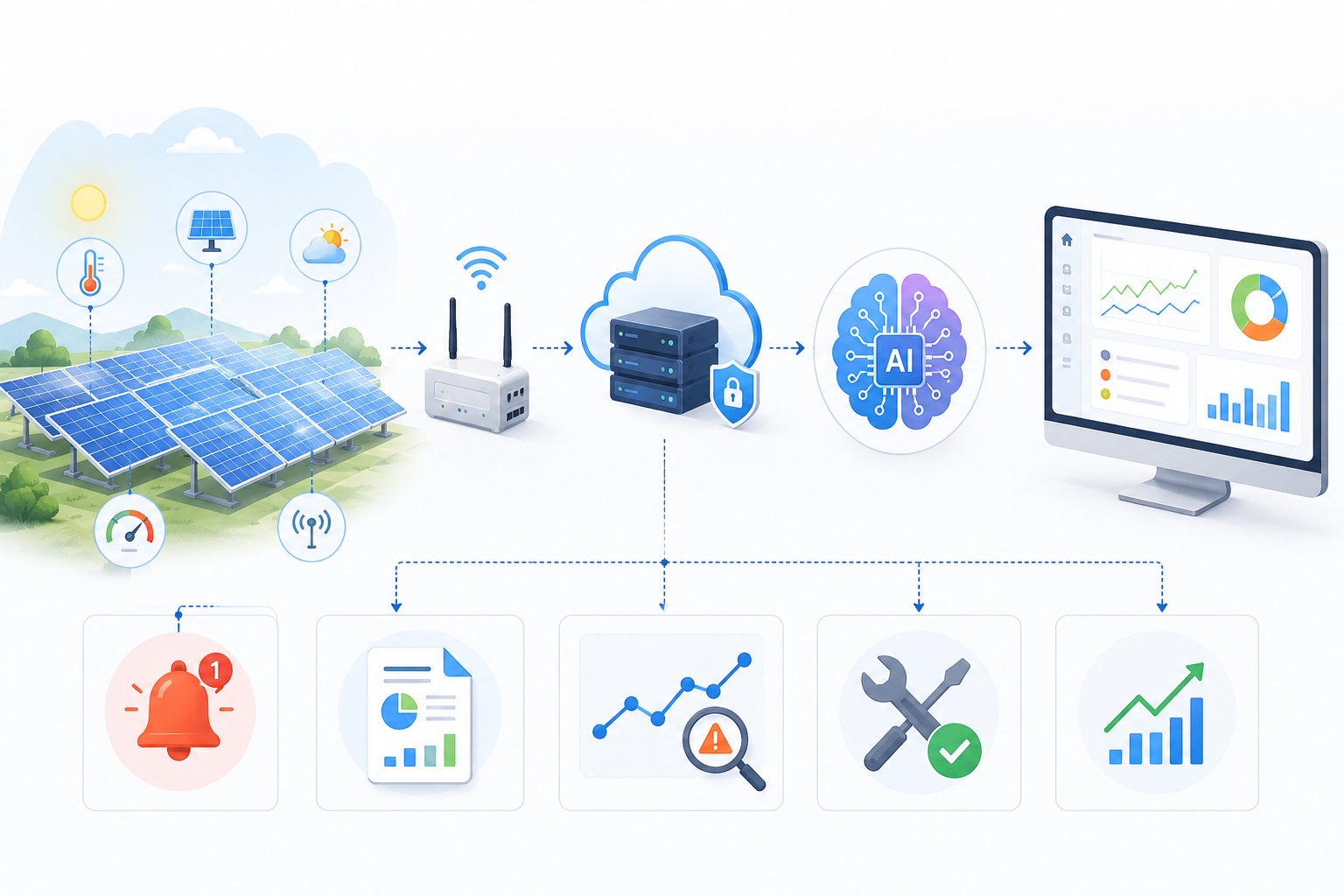
A FinTech company may accept card payments through a gateway, bank transfers through another provider, and subscription payments through a billing tool. Accounting software may hold separate records. When a customer asks about a payment, operations staff have to check several screens.
Unified payment tracking brings payment events and finance records into one view. It does not replace providers that move money. It helps staff see what each system reports, what remains pending, and where investigation is needed. Here is how New York FinTech teams can design that view without confusing confirmation with settlement.
Why Payment Information Gets Scattered Across Systems
Payment providers handle different parts of a transaction. A card processor records authorizations and captures. An ACH provider tracks bank transfers. Billing tools connect payments with invoices, while accounting systems record deposits.
These systems use different identifiers, terms, and update schedules. A processor might mark a charge captured while finance awaits its payout. A refund may appear in the gateway before it reaches accounting reports.
Without multi-provider payment tracking, staff search separate portals and compare spreadsheets. These records are not necessarily wrong. They describe different parts of the same activity. Refunds, processor fees, and payouts may also be reported separately from the original customer payment. A consolidated view must preserve those distinctions rather than hide them under a single "success" label.
How to Build One View Across Payment Systems
A shared dashboard needs dependable connections and clear definitions for incoming events. Its design must reflect the payment workflow, not merely combine reports.
Connect Existing Payment Providers and Finance Tools
Payment API integration connects processors, billing platforms, banks, and accounting tools where supported. REST APIs retrieve transaction details, webhooks signal changes, and scheduled imports fill gaps when a system lacks event notifications.
Through fintech software development, businesses can build provider-specific connectors while keeping original processing systems. Each connection needs appropriate permissions, protected credentials, error handling, and recovery for missed updates. Retrieve only the data needed for tracking. Where webhook signatures are available, verify incoming notifications. Queue events safely, retry temporary failures, and make processing idempotent so repeated deliveries cannot create duplicate records. If a provider supplies settlement files separately, import them and associate payouts with the correct payment records. Event notifications alone may not provide final reconciliation evidence.
Organize Records Around Common Payment References
An internal payment reference should link provider identifiers, invoices, amounts, currencies, event types, and timestamps.
An order may have authorization, capture, refund, and payout allocation events. They are not interchangeable. Preserve their relationships and avoid counting duplicate webhook deliveries as new payments.
Unmatched events should be flagged for review, not linked to the closest-looking transaction.
Keep Updates Timely and Traceable
Real-time payment visibility means showing updates promptly when providers supply them, not promising instant reporting. Webhooks can arrive late, out of order, or repeatedly. Periodic synchronization helps identify missed notifications.
Each status should retain its source, event time, last synchronization time, and unresolved data issues. This distinguishes processing delays from stale dashboard information.
Why Payment Statuses Must Be Mapped Carefully
Payment status tracking becomes unreliable when different events are grouped under "completed." Card authorization is not capture, and capture does not necessarily mean funds have reached the merchant's bank account.
A dashboard can translate provider terms into recognizable labels while retaining each original event and payment method:
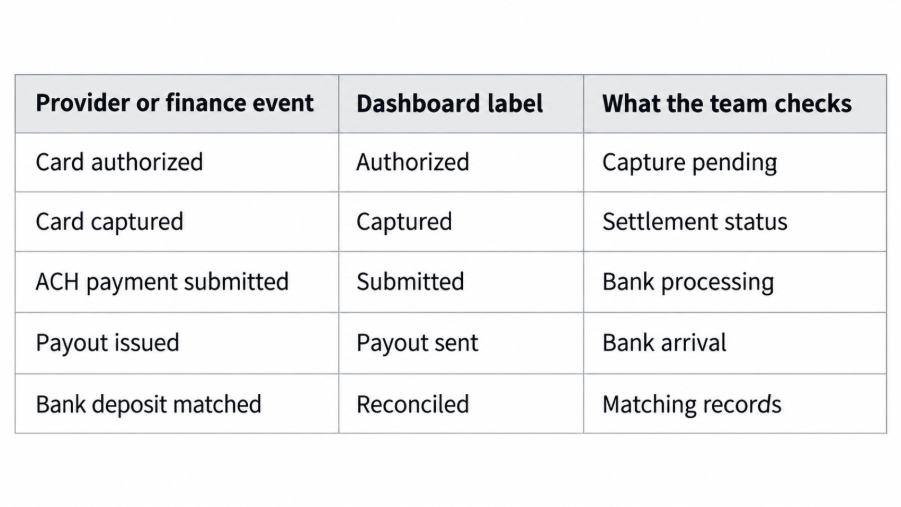
These examples span different workflows, not universal statuses every payment follows. An ACH submission does not prove settlement. Nacha's explanation of how ACH payments work describes settlement timing across payment types and schedules.
Payment reconciliation automation can compare payouts and deposits against expected amounts and references. Unmatched items must remain visible for finance review, not automatically treated as paid. The matching logic should also retain a traceable explanation of why particular records were linked.
What a Unified Payment Dashboard Should Show
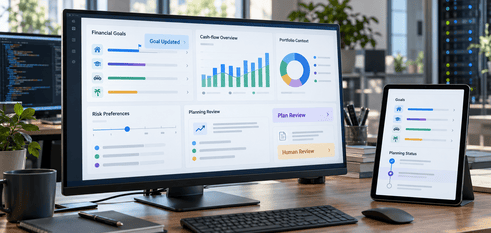
A payment tracking dashboard should answer: Which payment is this? What is confirmed? What needs attention?
Searchable Transaction History
For payment transaction monitoring, staff should filter by provider, payment method, status, date, or reference. Each record should show amount, currency, invoice, provider IDs, and an event timeline.
This links a customer's invoice number to a different processor reference without altering either source.
Clear Exceptions and Review Ownership
Useful alerts include failed payments, stale updates, unmatched settlements, duplicate notifications, and refunds. Each exception should identify its trigger, detection time, and reviewer. Pending reviews should be distinguished from confirmed failures, since they require different responses and may have different owners.
The software should not assume a missing deposit means lost money. Staff may need to verify the provider's payout schedule.
Access and Data-Freshness Controls
Operations users need payment statuses, while finance staff may require settlement details. Role-based access and audit logs support appropriate visibility and accountability without exposing unnecessary sensitive information.
A visible "last updated" field prevents a silent connection failure from making stale data look current.
Practical Illustrative Example: Investigating a Delayed Payment at a New York FinTech Company
Consider an illustrative New York FinTech business that accepts payments through more than one processor. A card payment appears as captured in a provider portal, but the finance team cannot yet identify it in the expected payout records.
An employee opens the transaction in the unified dashboard and sees its internal reference, provider payment ID, capture event, and the time of the most recent synchronization. The record also displays the related payout information, if the provider has supplied it.
Rather than labeling the payment as failed, the platform marks the settlement check as pending. The employee reviews the provider's payout schedule and searches for a matching deposit. If the expected information is still missing, the exception remains assigned to finance for investigation.
This is a proposed workflow, not a reported customer outcome. A related unified payment tracking platform case study describes centralized payment and invoice management, separate administrator and customer portals, and financial reporting. It illustrates the value of shared records without establishing that this specific New York scenario occurred in that project.
Planning a Secure Payment Tracking Implementation
Start payment tracking software with a limited, testable scope: the most-used providers and the questions staff need answered. Priorities include locating transactions, verifying current statuses, and identifying settlement differences.
Start With a Focused Integration
Document provider data, webhook support, transaction references, and settlement reporting frequency. Define handling for refunds, partial captures, different currencies, and incomplete records.
Validate Accuracy Before Wider Use
Test successful, failed, refunded, duplicated, delayed, and out-of-order events. Compare dashboard results with source reports. Protect credentials, restrict access, encrypt sensitive data appropriately, and avoid storing full card numbers.
Evaluate time spent locating records, unresolved exceptions, and manual reconciliation work. Expand only when teams trust the information. Assign responsibility for changes to external APIs and failed connections. A fallback export of source records can support investigations while an integration is repaired, provided staff can identify its reporting period and limits.
Can AI Help Identify Payment Tracking Exceptions?
AI may help group recurring exceptions or highlight unusual sequences after the basic records are accurate. For example, it could bring attention to a payment with repeated failed updates or an unexpected change in its event pattern.
However, reliable rules and matching logic should come first. AI development services in New York may support advanced monitoring, but AI is optional. Investigations and consequential financial decisions should retain appropriate human review.
Frequently Asked Questions
How can businesses track payments across multiple providers?
They can connect supported provider APIs, webhooks, and financial reports to a central application. The dashboard links references and shows available transaction updates while preserving their original sources.
What is the difference between payment confirmation and settlement?
Confirmation may indicate authorization or successful processing, depending on the provider. Settlement concerns the movement of funds through the relevant payment system. The two events should be shown separately.
Can one dashboard display payments from different systems?
Yes, when the necessary integrations and access permissions are available. A consolidated dashboard can display records from several systems without taking over the systems that process or settle payments.
How should finance teams investigate delayed or failed payments?
They should check the source reference, event history, latest provider response, expected processing timetable, and matching settlement records. Unresolved differences should be recorded and assigned for follow-up.
Conclusion
A shared payment view works when it connects trustworthy records, preserves differences between provider events, and makes exceptions easier to investigate. New York FinTech teams can begin with a limited set of integrations and expand once status mapping and reconciliation checks have been validated.
Depending on the requirements, Theta Technolabs can build such a solution with Node.js integration services, Angular dashboards, and PostgreSQL data storage, alongside appropriate security and review workflows. To discuss a payment tracking application, contact sales@thetatechnolabs.com.


























.png)





.png)
























.png)