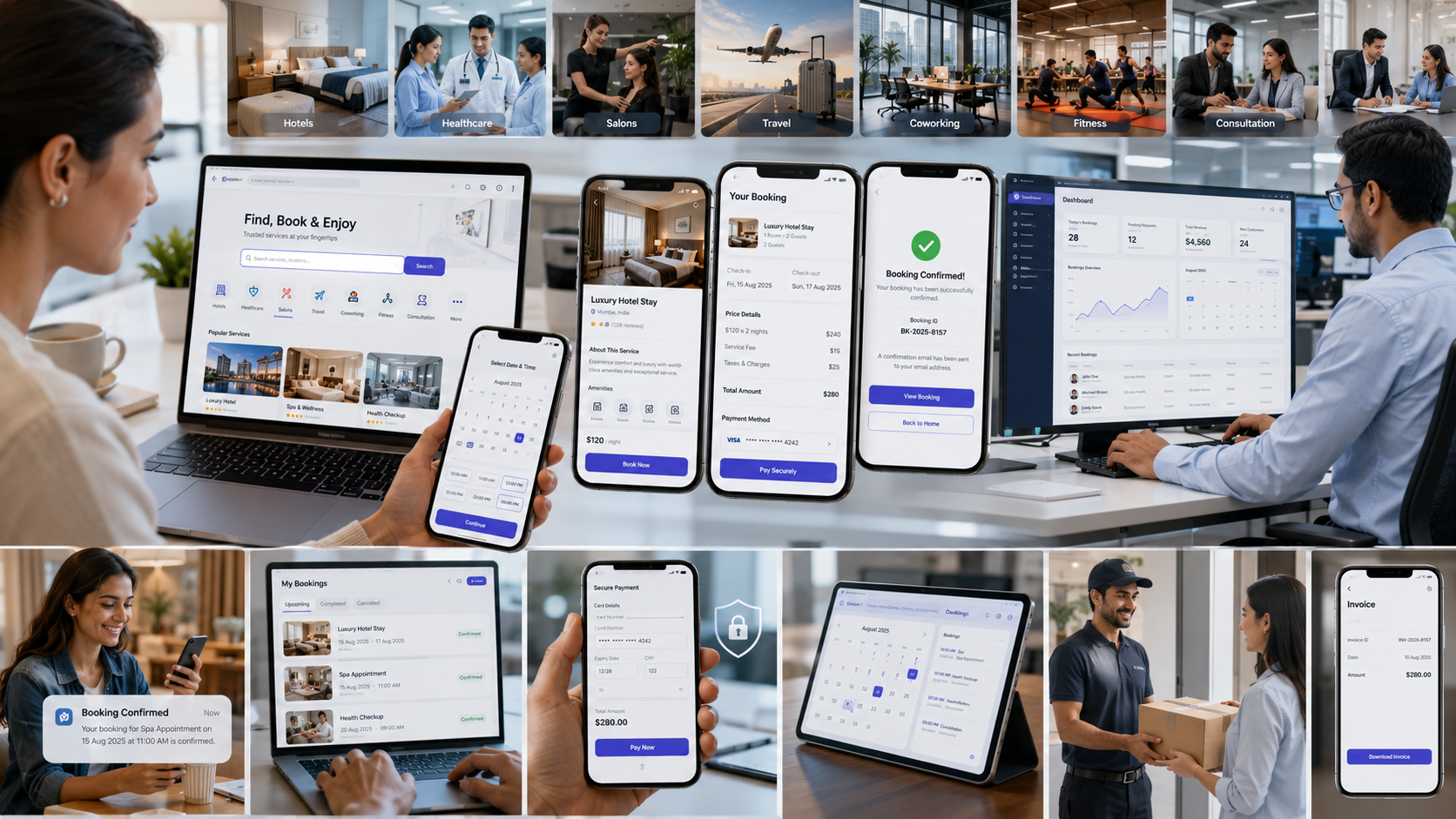


Your first working product might begin with a sentence: “Build a booking app where customers choose a service and reserve a time.”
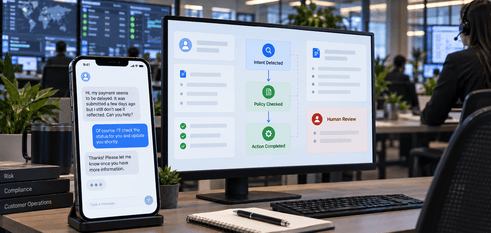
An AI coding tool can turn that request into screens and application code. The important decision comes next: who checks whether two customers can reserve the same slot, a payment can be processed twice, or one account can access another customer’s records?
For founders comparing vibe coding vs a dedicated development team, the answer depends on what they are building and who will take responsibility for it.
A Working Demo Answers Only Part of the Question
Vibe coding generally describes building software through natural-language prompts, letting AI generate and revise much of the implementation. Usage varies, but the term often implies limited inspection of the underlying code.
That differs from AI-assisted software development, where developers use generated code while reviewing its behaviour, architecture, and suitability.
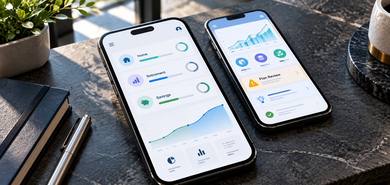
Vibe coding for startups can support early exploration. A founder can demonstrate a customer journey, compare layouts, or test whether people understand an idea.
However, a convincing demonstration proves that a particular journey works under the conditions shown. Production readiness requires checking how the application behaves across different users, data, failures, and changes.
Follow a Booking Startup From Idea to Paying Customers
Consider a hypothetical startup connecting customers with independent fitness instructors.
Initially, the founder needs to answer a simple question: can customers easily find an instructor and request a session? A prototype using sample profiles can help test that journey.
After interviews, the requirements expand. Instructors need separate accounts, customers need cancellation options, and payments must connect with booking records.
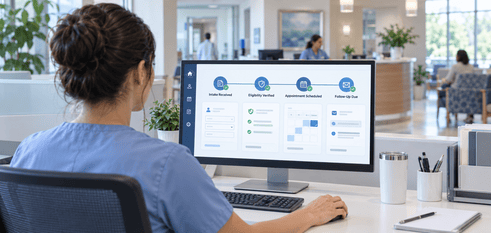
Now consider two people selecting the final appointment simultaneously. The software needs a reliable way to accept one booking and explain the outcome to the other customer.
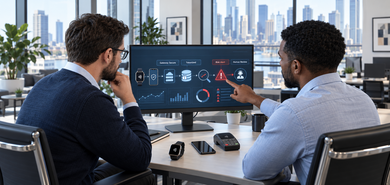
This is where development moves beyond generating screens. The founder needs someone who can define the rules, implement them consistently, and verify the result.
Effective startup MVP development keeps the first release focused while addressing the requirements that matter for actual use.
Bring in Engineering Expertise When Responsibilities Expand
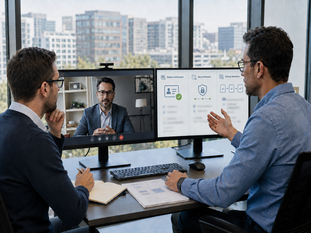
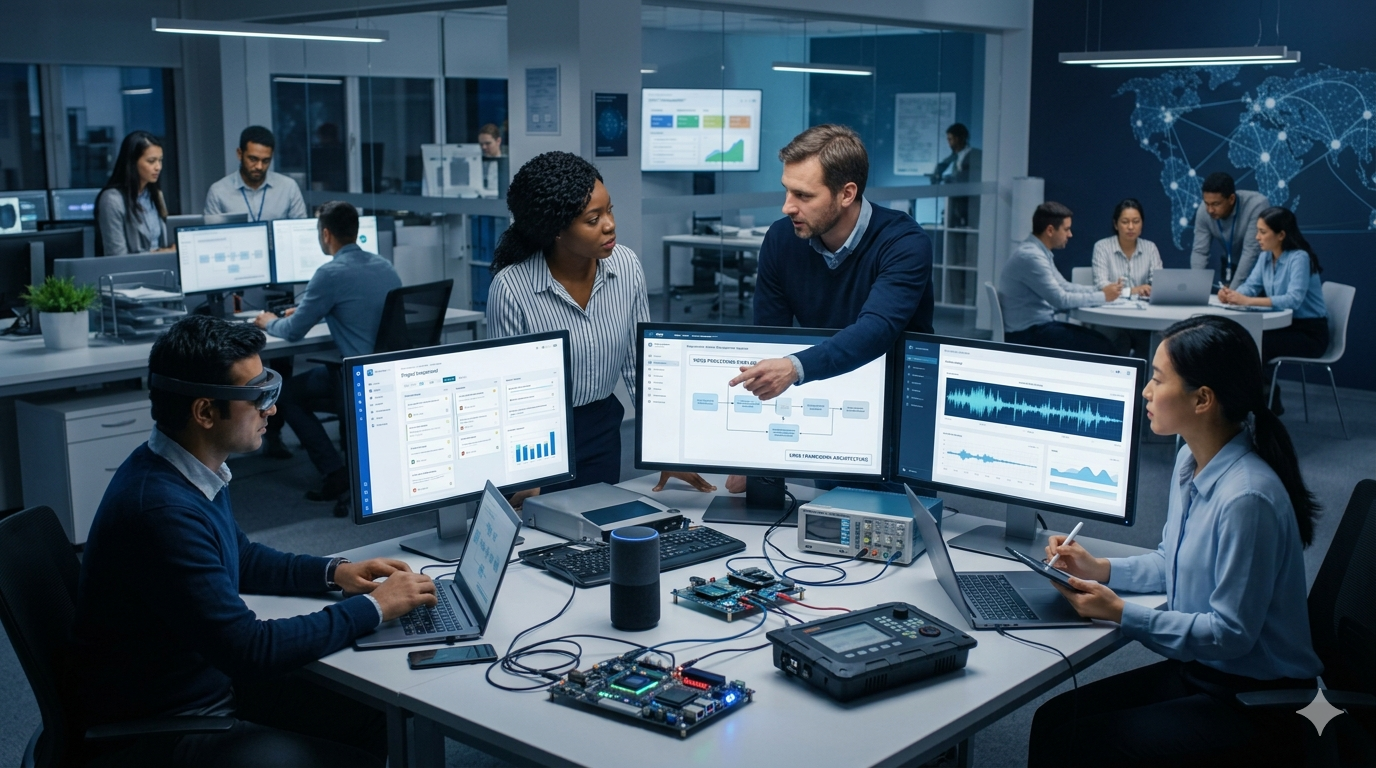
A dedicated development team for startups provides continuity across design, development, testing, deployment, and maintenance. Its composition should follow the product’s needs.
A small application may initially require an experienced developer with specialist support. A more involved product may need additional expertise in architecture, quality assurance, infrastructure, or integrations.
The key is clear ownership.
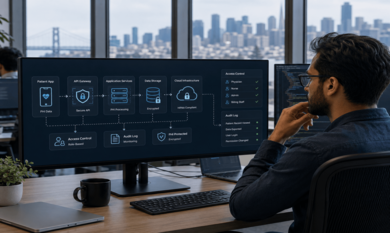
Someone must decide how accounts receive permissions, how information is stored, how failed requests are handled, and how updates reach users. They also need to understand the existing code well enough to change it.
A documented software development process helps founders evaluate these responsibilities before selecting a team.
Ask who reviews changes, approves releases, monitors production, and responds when a feature behaves unexpectedly.
Review the Code Behind the Customer Experience
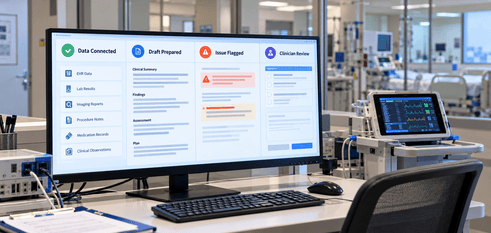
AI-generated code review should examine whether the implementation meets the intended requirement, including cases that the initial prompt leaves unspecified.
For the booking startup, testing should cover duplicate submissions, interrupted payments, expired sessions, and cancellation updates. Permissions need checks using different account types.
GitHub’s guidance on reviewing AI-generated code recommends functional checks, automated tests, static analysis, and reviewing alignment with the project’s architecture and requirements. It also emphasises human oversight. GitHub Docs
A startup can apply that principle regardless of which coding tool it chooses. Generated code needs a review process appropriate to the product.
Developers should also examine dependencies, configuration, and deployment instructions so that another person can understand and maintain the application.
Compare the Cost of Operating the Product
Vibe coding development costs extend beyond the tool subscription. Founders also invest time in prompting, testing, investigating problems, and preparing releases.
A development team has a more visible staffing cost, but the comparison should include the work each option actually covers.
For a disposable demonstration, limited engineering investment may be sensible. For a customer-facing application, calculate the cost of integrations, hosting, monitoring, support, and subsequent changes.
Avoid assuming that either approach always delivers a lower total cost.
Request estimates against the same scope. Clarify whether they include testing, deployment, documentation, account ownership, and maintenance. A smaller initial quote may simply cover fewer responsibilities.
Keep the Prototype Useful as the Product Evolves
An existing AI-built application does not automatically need a complete rewrite.
A technical assessment can identify which parts are suitable for continued use, which require changes, and which should be replaced. The interface may remain useful while authentication, data storage, or payment processing needs further engineering.
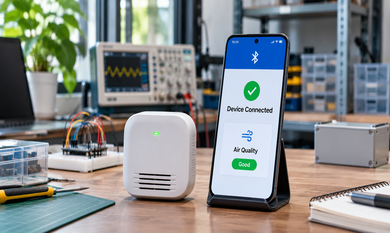
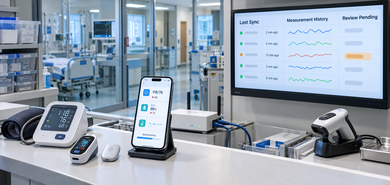
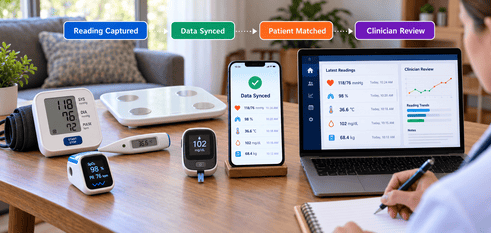
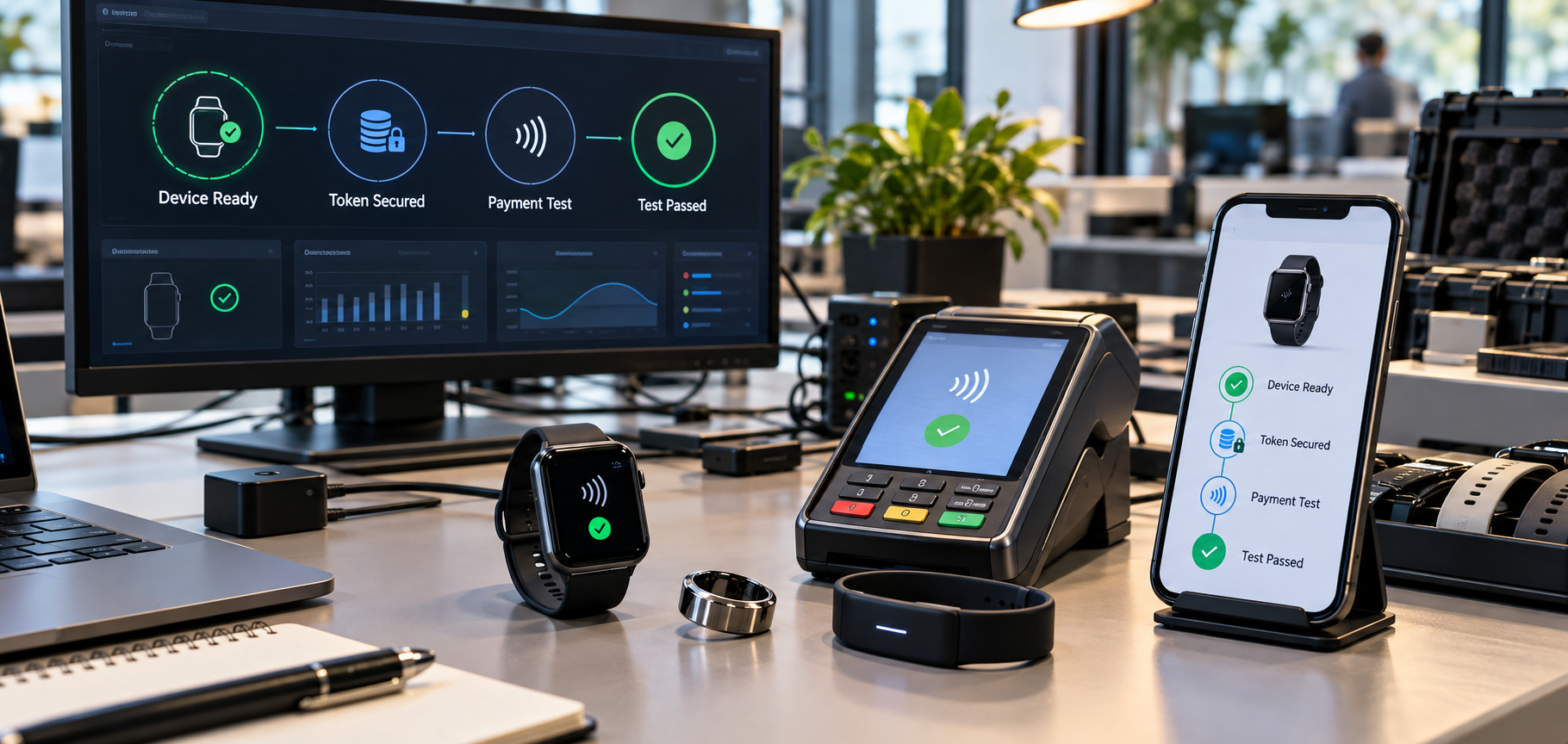
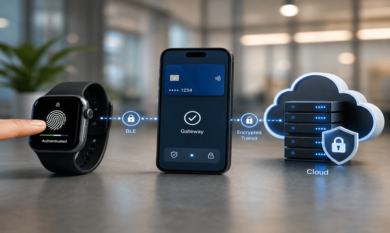
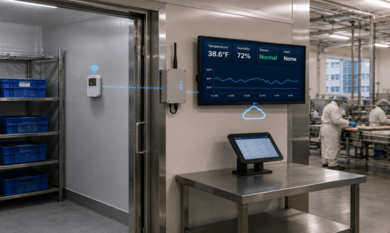
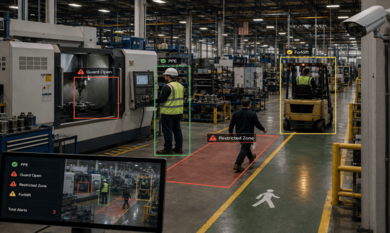
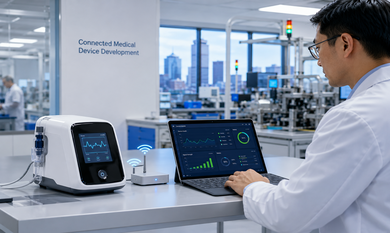
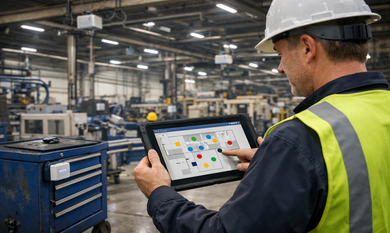
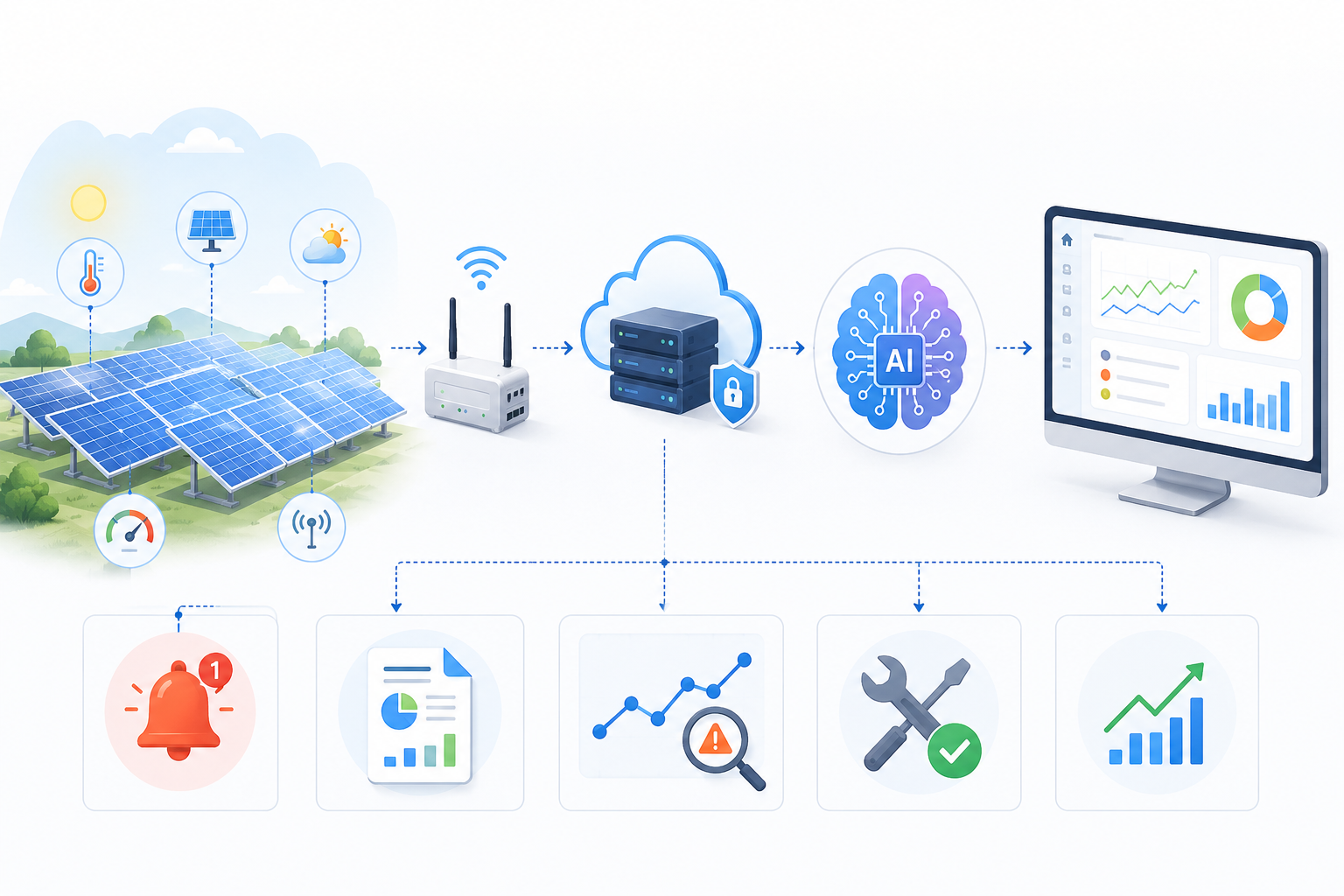
The same approach applies when connecting software with hardware. An attractive dashboard does not establish that device readings arrive reliably or that interrupted connections recover correctly.
Founders should retain control of repositories, cloud accounts, domains, and relevant service accounts. Document the environment and deployment steps early.
That makes future development easier whether the original builder remains involved or another team takes over.
Make the Decision Around Your Next Commitment
When deciding when to hire developers for a startup, consider the next commitment the product must support.
If the immediate goal is learning from a demonstration with sample data, vibe coding can help. If customers will depend on the application, establish technical ownership before release.
A practical sequence is to define one customer problem, demonstrate the journey, gather feedback, and then review the implementation against the intended launch requirements.
Development teams can use AI throughout this process. Founders can also remain closely involved in shaping requirements and reviewing outcomes.
The choice is therefore about how much engineering responsibility the product needs at each stage, and who is equipped to carry it.
Frequently Asked Questions
1. Can startups build an MVP with vibe coding?
Yes, depending on the scope. A prototype can help validate a customer journey. An MVP used by customers also needs appropriate testing, permissions, deployment, and support. Decide what “MVP” includes before choosing the development approach.
2. Does hiring a dedicated team mean avoiding AI coding tools?
No. Developers can use AI to draft code, investigate issues, and suggest tests. The team remains responsible for reviewing the output, integrating it correctly, and checking whether the application meets its requirements.
3. Can developers improve an existing vibe-coded application?
Yes, following a technical assessment. They may retain useful components and strengthen others. The decision depends on code quality, dependencies, architecture, documentation, and the changes required for the intended release.
4. What should a nontechnical founder check before launch?
Ask for evidence that important customer journeys and permissions have been tested. Confirm who owns the code and accounts, how backups work, how releases are managed, and who provides support. Request explanations in understandable language.
5. Is a full development team necessary from day one?
Not always. The initial need may be technical discovery or an experienced developer reviewing a prototype. Expand the team when the workload and required expertise justify it, rather than choosing a fixed team size prematurely.
Give the Product Room to Grow
Startups gain value when early experimentation leads to software they can confidently maintain and improve.
At Theta Technolabs, a software development company in the USA, we develop web, mobile, and cloud applications, enhance existing software, and integrate applications with hardware. The appropriate starting point depends on the product’s current condition and its next business requirement.
Discuss your startup’s development requirements at sales@thetatechnolabs.com.